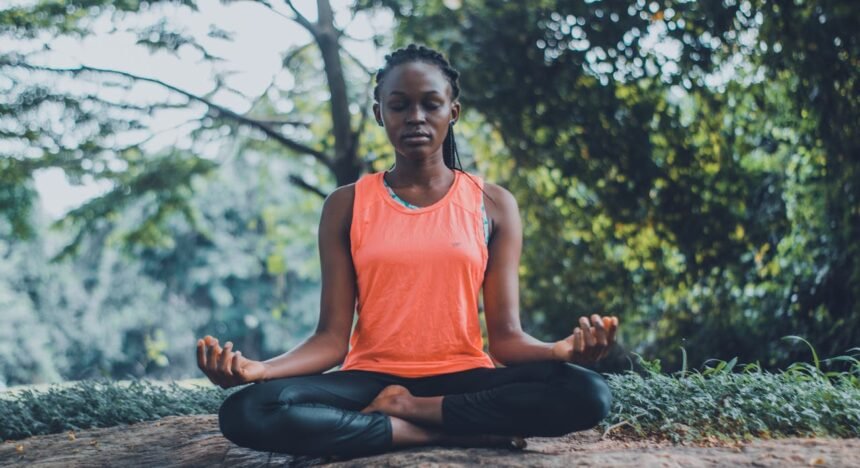
In our hyper-connected, always-on world, stress has become an unwelcome companion for the majority of adults. According to the American Psychological Association, we are facing a national mental health crisis, with stress levels reaching historic highs. The paradox of modern life is that while we desperately need relaxation, we often feel we lack the time to achieve it.
Enter 10 minute yoga for stress relief. You do not need a 90-minute studio class, expensive leggings, or complete silence to reset your nervous system. A short, intentional practice can be a potent antidote to anxiety, helping to lower cortisol levels and restore mental clarity in the time it takes to drink a cup of coffee.
The Science: Why 10 Minutes is Enough
Skeptics often wonder if such a short duration can truly make a difference. The answer lies in how yoga affects the autonomic nervous system. Chronic stress keeps us locked in the sympathetic nervous system, often known as the “fight or flight” response. This floods the body with stress hormones like cortisol and adrenaline.
Research from Harvard Health Publishing suggests that yoga modulates stress response systems. By combining physical movement with deep breathing, you trigger the parasympathetic nervous system—the “rest and digest” state. This physiological shift slows the heart rate and lowers blood pressure.
Furthermore, the Cleveland Clinic notes that managing cortisol is essential for long-term health, as elevated levels are linked to weight gain, sleep disruptions, and heart disease. A 10-minute intervention acts as a circuit breaker, stopping the accumulation of stress before it becomes overwhelming.
Preparing for Your Practice
The beauty of a short practice is its adaptability. You don’t necessarily need a mat; a rug or a clear patch of floor works perfectly. If you are at work, many of these poses can be modified for a chair.
Mindset over Matter: The most critical equipment is your attention. For these ten minutes, commit to unplugging. Silence your phone notifications. This brief period of mindfulness is just as important as the physical stretching.
The 10-Minute Sequence for Instant Calm
This sequence is designed to release tension in common “stress holding” areas: the neck, shoulders, and hips. Move through these poses slowly, focusing on your breath.
Minute 1-2: Centering and Breathwork (Pranayama)
Start in a comfortable seated position (Easy Pose or Sukhasana). Close your eyes.
- Technique: Inhale deeply through the nose for a count of four, hold for two, and exhale through the nose for a count of six.
- Focus: According to the National Center for Complementary and Integrative Health (NCCIH), deep breathing is a cornerstone of yoga that directly impacts emotional regulation.
Minute 3-4: Cat-Cow Stretch (Marjaryasana-Bitilasana)
Move to your hands and knees (tabletop position).
- Inhale (Cow): Drop your belly, lift your chin and chest, and gaze up.
- Exhale (Cat): Draw your belly to your spine and round your back like a Halloween cat.
- Benefit: This warms up the spine and releases tension in the back muscles, which often tighten during desk work.
Minute 5-6: Child’s Pose (Balasana)
From tabletop, widen your knees and sit your hips back toward your heels. Stretch your arms forward and rest your forehead on the floor.
- Why it works: This is a quintessential resting pose. By grounding the forehead, you send a signal of safety to the brain. The Mayo Clinic highlights yoga poses like this as effective tools for stress management and relaxation.
Minute 7-8: Standing Forward Fold (Uttanasana)
Stand up slowly. With feet hip-width apart, exhale and hinge at your hips to fold forward. Keep a slight bend in your knees. Let your head hang heavy.
- The Release: Allow gravity to decompress your spine. You can grab opposite elbows and sway gently (Ragdoll variation). This inversion rushes oxygen-rich blood to the brain, helping to clear mental fog.
Minute 9-10: Legs Up the Wall (Viparita Karani) or Savasana
If you are near a wall, lie on your back and swing your legs up the wall. If not, lie flat on your back in Corpse Pose (Savasana).
- Final Rest: Let your breath return to its natural rhythm. Scan your body for residual tension and let it go. This final stillness consolidates the benefits of the practice.

Comparing Yoga Styles for Stress Relief
Not all yoga is created equal when the goal is stress reduction. While a power flow is great for fitness, other styles may be better suited for calming the mind. Here is a breakdown of styles to help you choose what fits your mood.
| Yoga Style | Intensity Level | Primary Focus | Best For |
|---|---|---|---|
| Hatha | Low to Moderate | Basic postures and breathing | Beginners seeking balance and reduced anxiety. |
| Restorative | Very Low | Deep relaxation using props | Complete nervous system reset and recovery. |
| Yin Yoga | Low | Holding stretches for 3-5 minutes | Releasing deep connective tissue and emotional tension. |
| Vinyasa | High | Breath-synchronized movement | Burning off nervous energy or frustration. |
| Yoga Nidra | None (Mental) | Guided sleep meditation | severe fatigue and insomnia. |
Benefits Beyond Stress Relief
Consistently practicing 10 minute yoga for stress relief does more than just calm you down in the moment. The cumulative effects can be transformative for your overall health.
Improved Sleep Quality
Stress is the primary antagonist of sleep. By lowering arousal levels before bed, yoga can help combat insomnia. The Sleep Foundation reports that regular yoga practice helps people fall asleep faster and sleep more deeply.
Enhanced Physical Health
Even short sessions improve flexibility and balance. Johns Hopkins Medicine notes that yoga can help manage chronic conditions such as heart disease and high blood pressure, proving that the mind-body connection has tangible physical results.
Cognitive Function
When we are stressed, our executive functioning (decision making) suffers. By clearing the mental clutter, yoga sharpens focus. A study archived by the National Institutes of Health (NIH) indicates that yoga enhances cognitive performance, including attention and processing speed.
Making It a Habit: Tips for Success
The hardest part of yoga is rolling out the mat. Here is how to make your 10-minute routine stick:
- Habit Stacking: Attach your yoga practice to an existing habit. For example, “After I brush my teeth, I will do 10 minutes of yoga.”
- Focus on Frequency, Not Duration: It is better to do 10 minutes every day than 90 minutes once a week. Consistency rewires the brain.
- Use Technology: Use apps or timers so you don’t have to watch the clock.
- Forgive Yourself: If you miss a day, don’t abandon the practice. Just start again the next day.
As noted by James Clear, the author of Atomic Habits, reducing friction is key. Keep your yoga gear accessible or choose a routine that requires no gear at all.
Safety Considerations
While yoga is generally safe, it is important to listen to your body. If you have pre-existing injuries, consult a physical therapist. The American Academy of Orthopaedic Surgeons recommends warming up properly and modifying poses to avoid strain, particularly in the lower back and wrists.
Conclusion: Your 10-Minute Reset Button
Stress may be inevitable, but staying stressed is optional. Integrating 10 minute yoga for stress relief into your daily routine provides a powerful tool for self-regulation. It requires no membership, no commute, and minimal time, yet the payoff is a calmer mind, a healthier body, and a more resilient spirit.
The next time you feel the walls closing in or the emails piling up, remember: you are only ten minutes away from a better state of mind. Step away, breathe, and move. Your body will thank you.