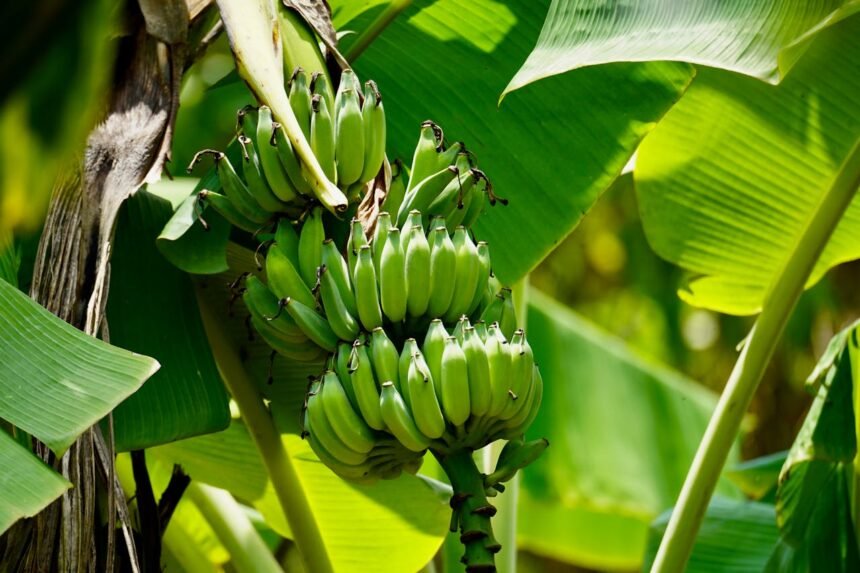
Bananas are widely recognised as one of the most popular fruits on the planet. Whether you are looking for a quick snack on the run or a staple ingredient for your morning smoothie, the humble banana is likely a fixture in your fruit bowl.
Native to Southeast Asia, they are now grown in many warm parts of the world. Variations in colour, size, and shape are common, though the yellow Cavendish is the most familiar variety found in UK supermarkets.
Beyond their convenience and sweet taste, bananas are incredibly nutritious. They contain essential nutrients that may have a protective impact on health.
Many people underestimate the scientific backing behind this fruit. From heart health to digestive support, the benefits are vast and well-documented.
This article explores 11 evidence-based health benefits of bananas, helping you understand why they deserve a place in your daily diet.
Comprehensive Overview: Nutritional Profile
Bananas are a heavyweight when it comes to nutrition. Despite their sweet taste, they offer a complex profile of vitamins and minerals.
They contain a fair amount of fibre, as well as several antioxidants. One medium-sized banana (approximately 118 grams) provides about 105 calories, consisting almost exclusively of water and carbohydrates.
Bananas contain very little protein and almost no fat. However, the carbohydrates in unripe (green) bananas consist mostly of resistant starch, which functions similarly to fibre.
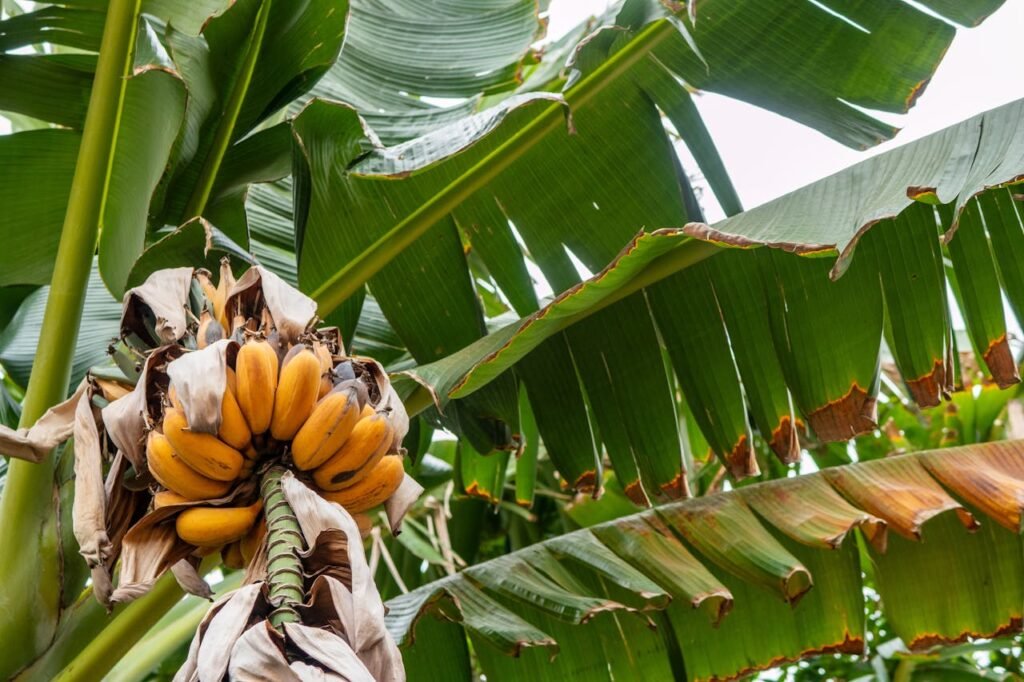
As the banana ripens, the starch turns into sugar (glucose, fructose, and sucrose). This is why yellow bananas are significantly sweeter than their green counterparts.
11 Evidence-Based Health Benefits of Bananas
Here is a detailed breakdown of how bananas can support your health.
1. Rich in Essential Nutrients
Bananas are rich in fibre, antioxidants, and several vitamins. A medium-sized banana serves as a fantastic source of potassium and vitamin B6.
Vitamin C is also present, which supports immune health. The nutrient density relative to the calorie count makes bananas a highly efficient food source.
For those looking to boost their intake of micronutrients without consuming excessive calories, bananas are an ideal choice.
2. May Improve Blood Sugar Levels
Bananas are rich in pectin, a type of fibre that gives the flesh its spongy structural form. Unripe bananas also contain resistant starch, which acts like soluble fibre and escapes digestion.
Both pectin and resistant starch may moderate blood sugar levels after meals. Furthermore, they may reduce appetite by slowing the emptying of your stomach.
According to Diabetes UK, foods with a lower Glycaemic Index (GI) help manage glucose levels. Unripe bananas have a GI value of about 30, while ripe bananas rank at about 60. This generally makes them safe for most people when consumed in moderation.
3. Supports Digestive Health
Dietary fibre has been linked to many health benefits, including improved digestion. A medium-sized banana has about 3 grams of fibre, making them a fairly good fibre source.
There are two main types of fibre in bananas:
- Pectin: Decreases as the banana ripens.
- Resistant starch: Found in unripe bananas.
Resistant starch escapes digestion and ends up in your large intestine, where it becomes food for beneficial gut bacteria. The British Nutrition Foundation highlights the importance of fibre for bowel regularity and overall gut health.
4. May Aid Weight Loss
No study has directly tested the effects of bananas on weight loss. However, bananas have several attributes that should make them a weight-loss-friendly food.
They contain relatively few calories. Yet, they are nutritious and filling.
Eating more fibre from vegetables and fruits has repeatedly been linked to lower body weight and weight loss. Furthermore, unripe bananas are packed with resistant starch, so they tend to be very filling and may reduce your appetite.
5. Supports Heart Health
Potassium is a mineral that is essential for heart health, especially blood pressure control. Despite its importance, few people get enough potassium in their diet.
Bananas are a great dietary source of potassium. A potassium-rich diet can help lower blood pressure.
According to the British Heart Foundation, eating foods that contain potassium can help balance out the negative effects of salt and lower your blood pressure. Additionally, bananas contain a decent amount of magnesium, which is also important for heart health.
6. Contains Powerful Antioxidants
Fruits and vegetables are excellent sources of dietary antioxidants, and bananas are no exception. They contain several types of potent antioxidants, including dopamine and catechins.
These antioxidants are linked to many health benefits, such as a reduced risk of heart disease and degenerative illnesses.
Research found on PubMed suggests that antioxidant intake helps combat oxidative stress, which causes damage to cells. It is a common misconception that the dopamine in bananas acts as a feel-good chemical in your brain. In reality, it does not cross the blood-brain barrier.
7. May Improve Insulin Sensitivity
Insulin resistance is a major risk factor for many of the world’s most serious diseases, including type 2 diabetes.
Several studies reveal that 15–30 grams of resistant starch per day may improve insulin sensitivity by 33–50% in as little as four weeks.
Unripe bananas are a great source of resistant starch. Therefore, they may help improve insulin sensitivity. Healthline notes that the resistant starch in green bananas behaves differently than simple carbohydrates, providing metabolic benefits.
8. May Improve Kidney Health
Potassium is essential for blood pressure control and healthy kidney function. As a good dietary source of potassium, bananas may be especially beneficial for maintaining healthy kidneys.
One extensive study in women determined that those who ate bananas 2–3 times per week were 33% less likely to develop kidney disease.
However, individuals with late-stage kidney disease or those on dialysis needs to be cautious. Organisations like Kidney Care UK advise that people with compromised kidney function should monitor potassium intake closely.
9. Benefits for Exercise and Recovery
Bananas are often referred to as the perfect food for athletes. This is largely due to their mineral content and easily digested carbohydrates.
Eating bananas may help reduce exercise-related muscle cramps and soreness, which affect up to 95% of the general population.
The reason for the cramps is largely unknown, but a popular theory blames a mixture of dehydration and electrolyte imbalance. Research published via the National Institutes of Health indicates that bananas provide excellent fuel for endurance exercise.
10. May Aid in Feeling Full
Resistant starch is a type of indigestible carbohydrate — found in unripe bananas and other foods — which functions like soluble fibre in your body.
As a rule of thumb, you can estimate that the greener the banana, the higher its resistant starch content.
On the other hand, yellow, ripe bananas contain lower amounts of resistant starch and total fibre — but proportionally higher amounts of soluble fibre.
11. Easy to Add to Your Diet
Not only are bananas incredibly healthy, but they are also one of the most convenient snack foods around.
Bananas make a great addition to yoghurt, cereal, and smoothies. You can even use them instead of sugar in your baking and cooking.
Looking for inspiration? BBC Good Food offers dozens of healthy ways to incorporate bananas into meals, from pancakes to banana bread.
Furthermore, bananas rarely contain any pesticides or pollutants due to their thick protective peel.
Nutrient Breakdown
The following table summarises the key nutrients found in one medium-sized banana (approx. 118g).
| Nutrient | Amount | % Daily Value (Approx) |
|---|---|---|
| Potassium | 422 mg | 9% |
| Vitamin B6 | 0.4 mg | 33% |
| Vitamin C | 10.3 mg | 11% |
| Magnesium | 32 mg | 8% |
| Copper | 0.1 mg | 10% |
| Manganese | 0.3 mg | 14% |
| Net Carbs | 24 g | – |
| Fibre | 3.1 g | – |
| Protein | 1.3 g | – |
| Fat | 0.4 g | – |
Frequently Asked Questions
Here are some common questions regarding bananas and their consumption.
Can you eat too many bananas?
While bananas are healthy, balance is key. Consuming extremely high amounts of potassium can be harmful to some individuals. The NHS states that adults need 3,500mg of potassium a day, which is obtainable through a varied diet.
Are bananas fattening?
No. Bananas are not inherently fattening. They have a moderate calorie density and are high in fibre, which helps you feel full. They are a much healthier alternative to processed sugary snacks.
Is it better to eat green or yellow bananas?
It depends on your goals. Green bananas are higher in resistant starch and better for gut health and insulin sensitivity. Yellow bananas are easier to digest and provide quick energy, making them ideal for pre-workout snacks.
Do bananas count towards your 5-a-day?
Yes. According to GOV.UK and the Eatwell Guide, one medium banana counts as one portion of your daily fruit and vegetable intake.
The Bottom Line
Bananas are a popular fruit with many essential nutrients. They are highly convenient, versatile, and offer significant protective health benefits.
From supporting heart health and digestive function to providing a quick energy boost for exercise, the banana is a nutritional powerhouse. Whether you prefer them ripe and sweet or green and starchy, incorporating them into your diet is a simple way to improve your overall wellbeing.
Ultimately, bananas are a tasty, low-calorie whole food that can easily be part of a healthy lifestyle.
*Read this next: Top 10 High-Potassium Foods That Are Not Bananas.*