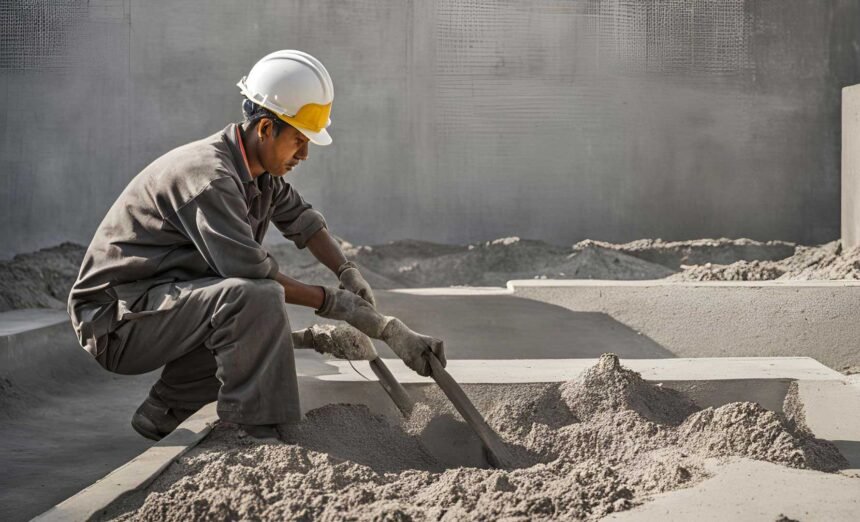
Concrete burns are chemical burns caused by prolonged exposure to wet cement or concrete. They occur due to the highly alkaline nature of wet cement, which has a pH of 12-13. When wet cement contacts skin, it initiates a chemical reaction that can break down skin tissue. Key points about concrete burns include:
- They may not cause immediate pain or visible symptoms
- Symptoms can worsen over time, even after the cement is washed off
- They can lead to severe tissue damage if left untreated
- Common symptoms include redness, irritation, blistering, and pain
- Prevention involves wearing proper protective equipment and washing skin immediately if exposed
- Treatment requires thorough rinsing with water and seeking medical attention for severe burns
Concrete burns are a significant occupational hazard for construction workers and others who regularly work with cement. Proper safety precautions and prompt treatment are essential to prevent long-term damage.
Understanding Concrete Burns: A Silent Danger
Concrete burns are chemical burns caused by prolonged exposure to wet cement. These burns can be deceptive, as symptoms may not appear immediately, leading to delayed treatment and potentially severe long-term effects[1]. Understanding the nature of concrete burns is essential for proper prevention and timely intervention.
The Chemistry Behind Concrete Burns
When wet cement contacts skin, it initiates a chemical reaction that can break down skin tissue. The high alkalinity of cement, with a pH level of up to 14, is the primary culprit[1]. This reaction continues even after the cement is washed off, which is why immediate and thorough cleaning is crucial.
Why Concrete Burns Often Go Untreated
- Delayed onset of symptoms
- Lack of awareness about the severity
- Misconceptions about the nature of the injury
14 Long-Term Effects of Untreated Concrete Burns
1. Permanent Scarring: The Visible Reminder of Concrete Burns
Untreated concrete burns can lead to permanent scarring, a lasting reminder of the injury. These scars can be both physically and emotionally distressing for the affected individual. The severity of scarring depends on various factors, including:
- The duration of cement contact with the skin
- The pH level of the cement mixture
- The depth of the burn
In severe cases, concrete burn scars can be extensive and disfiguring, potentially affecting a person’s self-esteem and quality of life. These scars may require long-term medical attention, including:
- Scar revision surgeries
- Laser treatments
- Topical treatments to improve appearance
It’s important to note that even with advanced medical interventions, complete restoration of the skin’s original appearance may not be possible in all cases.
Based on the search results and the content on Healthline.com, here are 5 relevant internal link recommendations for a page about Concrete Burns, along with suggested anchor text:
- Link: https://www.healthline.com/health/concrete-burns
Anchor text: “causes, symptoms, and treatment of concrete burns” - Link: https://www.healthline.com/health/road-rash-treatment
Anchor text: “treating abrasions and skin injuries” - Link: https://www.healthline.com/health/honey-for-burns
Anchor text: “using honey for minor burns” - Link: https://www.healthline.com/health/white-phosphorus-burns
Anchor text: “chemical burns from hazardous materials” - Link: https://www.healthline.com/nutrition/6-proven-health-benefits-of-apple-cider-vinegar
Anchor text: “natural remedies for skin conditions”
For keyword research using the Google alphabet soup method for “Concrete Burns”, some potential topics to cover could include:
- Concrete burns and allergic reactions
- Concrete burns and blisters
- Concrete burns and calcium hydroxide
- Concrete burns and debridement
- Concrete burns and emergency treatment
- Concrete burns and first aid
- Concrete burns and gloves
- Concrete burns and healing time
- Concrete burns and infection
- Concrete burns and pH neutralization
2. Chronic Pain: A Lasting Legacy of Concrete Burns
Untreated concrete burns can result in chronic pain that persists long after the initial injury. This ongoing discomfort can significantly impact an individual’s daily life and work performance. The pain associated with untreated concrete burns may manifest as:
- Persistent burning sensations
- Hypersensitivity to touch in the affected areas
- Deep, aching pain that worsens with movement
The chronic pain from concrete burns can be particularly challenging to manage, often requiring:
- Long-term pain management strategies
- Regular medical consultations
- Potential use of pain medications
In some cases, the pain may be indicative of nerve damage, which can lead to further complications if left unaddressed.
3. Skin Sensitivity: A Lingering Effect of Concrete Burns
One of the long-term effects of untreated concrete burns is increased skin sensitivity in the affected areas. This heightened sensitivity can persist for years after the initial injury, making the skin more susceptible to:
- Irritation from common substances
- Increased reactivity to temperature changes
- Greater vulnerability to sunburn and other environmental factors
The increased skin sensitivity can significantly impact an individual’s daily life, requiring:
- Special care when choosing clothing and personal care products
- Extra precautions during outdoor activities
- Ongoing use of protective creams and lotions
This persistent sensitivity serves as a constant reminder of the concrete burn and may necessitate lifestyle adjustments to avoid further discomfort or injury.

4. Impaired Mobility: When Concrete Burns Limit Movement
Untreated concrete burns, particularly those on joints or areas of frequent movement, can lead to impaired mobility. This long-term effect can significantly impact an individual’s quality of life and ability to perform daily tasks. The impairment may result from:
- Scar tissue formation that restricts movement
- Chronic pain that discourages full range of motion
- Nerve damage affecting muscle control
The consequences of impaired mobility can be far-reaching, potentially affecting:
- Work performance and job prospects
- Ability to participate in sports and leisure activities
- Independence in performing daily activities
In severe cases, individuals may require ongoing physical therapy or assistive devices to maintain mobility. The psychological impact of these limitations should not be underestimated, as they can lead to frustration and decreased quality of life.
5. Increased Risk of Infection: A Persistent Threat from Concrete Burns
Untreated concrete burns can leave the skin vulnerable to infections long after the initial injury. The damaged skin barrier provides an entry point for bacteria and other pathogens, increasing the risk of:
- Cellulitis
- Abscess formation
- Chronic wound infections
This increased susceptibility to infections can persist for months or even years, requiring:
- Vigilant wound care and hygiene practices
- Regular medical check-ups
- Prompt treatment of any signs of infection
The ongoing risk of infection not only poses health dangers but can also lead to anxiety and stress for the affected individual, constantly worrying about potential complications.
6. Nerve Damage: The Hidden Consequence of Concrete Burns
Severe or untreated concrete burns can result in long-term nerve damage, a condition known as neuropathy. This damage can lead to a range of persistent symptoms, including:
- Numbness or tingling sensations
- Loss of sensation in affected areas
- Burning or shooting pains
The implications of nerve damage from concrete burns can be significant:
- Reduced ability to sense temperature or pain, increasing the risk of further injuries
- Impaired fine motor skills, affecting work and daily activities
- Chronic pain that may be resistant to standard pain management techniques
Nerve damage from concrete burns may be permanent in some cases, requiring ongoing medical management and potentially impacting an individual’s career and lifestyle choices.
7. Psychological Impact: The Mental Toll of Concrete Burns
The long-term effects of untreated concrete burns extend beyond physical symptoms, often taking a significant psychological toll on the affected individual. This mental impact can manifest in various ways:
- Anxiety and depression related to chronic pain or disfigurement
- Post-traumatic stress disorder (PTSD) from the injury experience
- Loss of self-esteem and confidence, particularly if scarring is visible
The psychological consequences can be as debilitating as the physical effects, potentially leading to:
- Social isolation
- Difficulty maintaining employment
- Strained personal relationships
Addressing these mental health challenges often requires professional intervention, including:
- Counselling or psychotherapy
- Support groups for burn survivors
- Cognitive-behavioural therapy to manage pain and anxiety
The psychological impact of concrete burns underscores the importance of holistic care in treating and managing these injuries.
8. Allergic Sensitization: A New Reality After Concrete Burns
Untreated concrete burns can lead to allergic sensitization, where the body develops an allergic response to components in cement. This long-term effect can have significant implications for individuals working in construction or related industries. The allergic sensitization may manifest as:
- Allergic contact dermatitis upon future exposure to cement
- Respiratory allergies when exposed to cement dust
- Increased sensitivity to other chemicals and substances
The consequences of this allergic sensitization can be far-reaching:
- Necessity to change career or job roles to avoid cement exposure
- Need for specialized protective equipment when working with cement
- Potential for severe allergic reactions requiring emergency medical care
Managing this condition often requires:
- Regular allergy testing and monitoring
- Strict avoidance of cement and related products
- Carrying emergency medication for potential allergic reactions
This long-term effect highlights the importance of proper protection and immediate treatment of concrete burns to prevent life-altering sensitization.
9. Muscle Atrophy: The Silent Progression from Concrete Burns
Untreated concrete burns, particularly those affecting larger areas or joints, can lead to muscle atrophy over time. This gradual weakening and wasting of muscles can occur due to:
- Prolonged immobilization during healing
- Nerve damage affecting muscle innervation
- Chronic pain leading to reduced use of affected limbs
The long-term consequences of muscle atrophy can be significant:
- Decreased strength and endurance in affected areas
- Altered gait or movement patterns
- Increased risk of falls and injuries
Addressing muscle atrophy often requires:
- Long-term physical therapy and rehabilitation
- Specialized exercise programs to rebuild muscle strength
- Potential use of assistive devices to support weakened muscles
The impact of muscle atrophy underscores the importance of early intervention and comprehensive treatment for concrete burns to prevent these long-term physical limitations.
10. Chronic Skin Conditions: The Lasting Legacy of Concrete Burns
Untreated concrete burns can lead to the development of chronic skin conditions that persist long after the initial injury. These conditions can significantly impact an individual’s quality of life and may require ongoing medical management. Some of the chronic skin conditions associated with untreated concrete burns include:
- Eczema: Characterized by dry, itchy, and inflamed skin
- Psoriasis: Causing scaly, red patches on the skin
- Chronic dermatitis: Persistent inflammation of the skin
These conditions can be triggered or exacerbated by the damage caused by concrete burns, leading to:
- Constant discomfort and itching
- Increased susceptibility to skin infections
- Cosmetic concerns affecting self-esteem
Managing these chronic skin conditions often requires:
- Regular use of topical medications and moisturizers
- Avoidance of triggers that may worsen symptoms
- Periodic consultations with dermatologists for ongoing treatment
The development of these chronic skin conditions highlights the importance of prompt and thorough treatment of concrete burns to preserve long-term skin health.
11. Compromised Immune Function: The Hidden Impact of Concrete Burns
Untreated concrete burns can have a long-term impact on the body’s immune function, particularly in the affected areas. This compromised immunity can lead to:
- Increased susceptibility to skin infections
- Delayed wound healing in the burn area
- Greater vulnerability to other skin conditions
The implications of this compromised immune function extend beyond the initial burn site:
- Potential for systemic immune suppression in severe cases
- Increased risk of complications from minor injuries or infections
- Need for extra precautions to prevent secondary health issues
Managing this long-term effect often involves:
- Regular health check-ups to monitor immune function
- Proactive measures to prevent infections
- Potential use of immune-boosting therapies or supplements
This compromised immune function underscores the far-reaching consequences of untreated concrete burns and the importance of comprehensive medical care.
12. Vascular Damage: The Circulatory Consequences of Concrete Burns
Untreated concrete burns can lead to long-term vascular damage in the affected areas. This damage to blood vessels can have significant implications for circulation and overall health. The effects of vascular damage may include:
- Poor blood flow to the affected areas
- Increased risk of blood clots
- Delayed healing of wounds and injuries in the burn site
The long-term consequences of this vascular damage can be severe:
- Increased risk of tissue death (necrosis) in affected areas
- Potential for circulatory problems extending beyond the burn site
- Complications in future medical procedures involving the affected area
Managing vascular damage often requires:
- Regular vascular assessments and monitoring
- Specialized treatments to improve circulation
- Lifestyle modifications to support vascular health
The potential for vascular damage highlights the importance of prompt and thorough treatment of concrete burns to preserve long-term circulatory health.
13. Occupational Limitations: Career Impact of Concrete Burns
Untreated concrete burns can lead to long-term occupational limitations, potentially altering an individual’s career trajectory. These limitations may stem from:
- Physical impairments affecting job performance
- Increased sensitivity to materials commonly used in certain industries
- Psychological factors such as anxiety about re-injury
The career impact of these limitations can be significant:
- Necessity to change job roles or industries
- Reduced earning potential due to job limitations
- Challenges in finding suitable employment that accommodates limitations
Addressing these occupational limitations often involves:
- Vocational rehabilitation to explore new career options
- Workplace accommodations to support continued employment
- Ongoing medical management to minimize job-related complications
The potential for long-term occupational limitations underscores the importance of proper safety measures and prompt treatment of concrete burns to preserve career opportunities and financial stability.
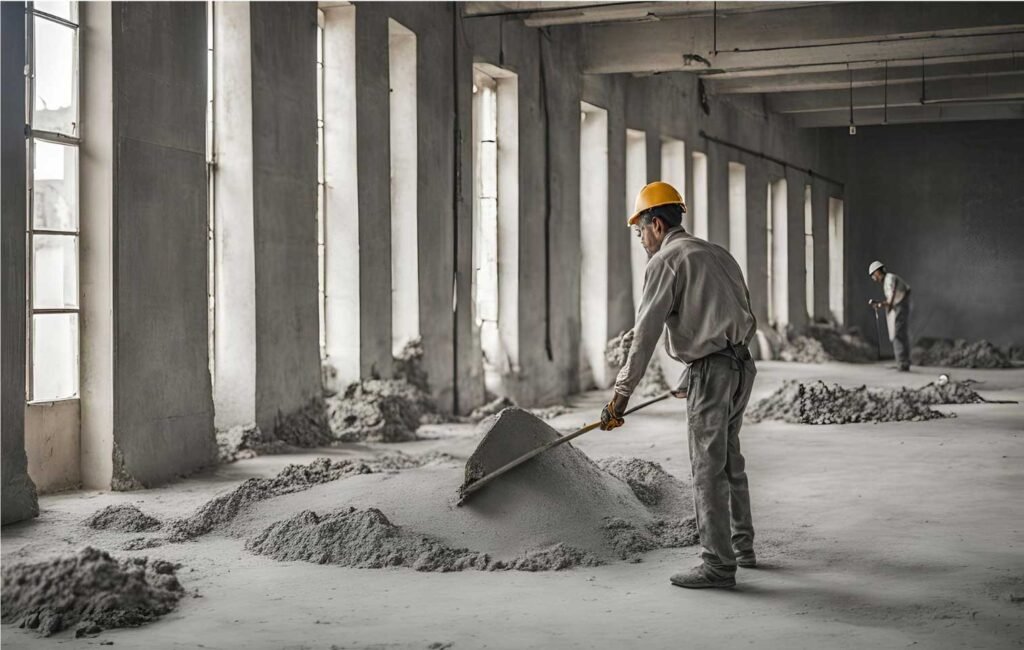
14. Systemic Health Issues: The Body-Wide Effects of Concrete Burns
While concrete burns primarily affect the skin, untreated cases can lead to systemic health issues that impact the entire body. These long-term effects can manifest in various ways:
- Chronic inflammation affecting multiple body systems
- Increased risk of autoimmune disorders
- Potential for toxin absorption leading to organ damage
The systemic impact of untreated concrete burns can be far-reaching:
- Cardiovascular complications due to chronic inflammation
- Kidney and liver stress from processing absorbed toxins
- Neurological symptoms resulting from systemic inflammation
Managing these systemic health issues often requires:
- Comprehensive health assessments to monitor overall well-being
- Multidisciplinary medical care to address various health concerns
- Lifestyle modifications to support overall health and reduce inflammation
The potential for systemic health issues highlights the critical importance of immediate and thorough treatment of concrete burns, as well as ongoing medical monitoring to detect and address any emerging health concerns.
Prevention and Safety Measures
Preventing concrete burns is crucial to avoid these long-term effects. Here are some essential safety measures:
- Wear appropriate personal protective equipment (PPE)
- Use waterproof boots and gloves
- Avoid prolonged skin contact with wet cement
- Wash skin immediately if exposed to wet cement
- Train workers on the dangers of concrete burns
Treatment and First Aid for Concrete Burns
If exposure occurs, follow these steps:
- Remove contaminated clothing
- Rinse the affected area with cool water for at least 20 minutes
- Use a pH-neutral or slightly acidic soap to wash the area
- Seek medical attention, especially for large or severe burns
Table: Comparison of Concrete Burn Severity
| Severity | Symptoms | Treatment | Long-term Effects |
|---|---|---|---|
| Mild | Redness, slight pain | Wash thoroughly, monitor | Minimal scarring |
| Moderate | Blistering, increased pain | Medical attention, possible debridement | Scarring, sensitivity |
| Severe | Deep tissue damage, extreme pain | Emergency care, possible skin grafts | Extensive scarring, nerve damage |
FAQ: Concrete Burns and Long-Term Effects
Q: How long does it take for concrete burn symptoms to appear?
A: Symptoms can take hours or even days to appear, making immediate washing crucial even if no immediate effects are visible[1].
Q: Can concrete burns lead to amputation?
A: In severe cases, untreated concrete burns can lead to tissue death and may require amputation[2].
Q: Are concrete burns always visible?
A: Not always. Some concrete burns can occur beneath the skin’s surface, making them difficult to detect initially[1].
Q: How can I prevent concrete burns?
A: Wear proper PPE, avoid skin contact with wet cement, and wash immediately if exposure occurs[5].
Q: Is it safe to treat concrete burns at home?
A: For minor burns, immediate washing can help. However, it’s always best to seek medical attention, especially for larger burns or if symptoms worsen[1].
Certainly. I’ll expand the FAQ section to provide more comprehensive information about concrete burns and their long-term effects.
FAQ: Concrete Burns and Long-Term Effects
Q: How long does it take for concrete burn symptoms to appear?
A: Symptoms can take hours or even days to appear, making immediate washing crucial even if no immediate effects are visible.
Q: Can concrete burns lead to amputation?
A: In severe cases, untreated concrete burns can lead to tissue death and may require amputation.
Q: Are concrete burns always visible?
A: Not always. Some concrete burns can occur beneath the skin’s surface, making them difficult to detect initially.
Q: How can I prevent concrete burns?
A: Wear proper PPE, avoid skin contact with wet cement, and wash immediately if exposure occurs.
Q: Is it safe to treat concrete burns at home?
A: For minor burns, immediate washing can help. However, it’s always best to seek medical attention, especially for larger burns or if symptoms worsen.
Q: Can concrete burns cause permanent nerve damage?
A: Yes, severe or untreated concrete burns can lead to permanent nerve damage, resulting in chronic pain, numbness, or tingling sensations.
Q: How long does it take for a concrete burn to heal?
A: Healing time varies depending on the severity of the burn. Minor burns may heal in a few weeks, while severe burns can take months and may require skin grafts.
Q: Are concrete burns more dangerous than other types of burns?
A: Concrete burns can be more insidious than thermal burns because they continue to cause damage even after the cement is washed off, due to the chemical reaction.
Q: Can I develop an allergy to cement after a concrete burn?
A: Yes, exposure to cement during a concrete burn can lead to sensitization, causing allergic reactions to cement in the future.
Q: What should I do if cement gets in my eyes?
A: Immediately flush your eyes with clean water for at least 15 minutes and seek urgent medical attention. Eye exposure can lead to serious long-term damage.
Q: Can concrete burns affect my ability to work in construction?
A: Severe concrete burns can lead to long-term occupational limitations, potentially requiring a change in job roles or industries.
Q: Are there any long-term psychological effects of concrete burns?
A: Yes, individuals with severe concrete burns may experience anxiety, depression, or PTSD, especially if the burns result in visible scarring or chronic pain.
Q: Can concrete burns lead to skin cancer?
A: While concrete burns themselves don’t directly cause skin cancer, severe scarring can make it more difficult to detect skin changes that might indicate cancer.
Q: How often should I have check-ups after a concrete burn?
A: Follow your doctor’s recommendations, but generally, you should have regular check-ups to monitor healing and detect any long-term complications.
Q: Can concrete burns affect my immune system?
A: Severe concrete burns can potentially impact the immune function in the affected areas, making them more susceptible to infections.
This expanded FAQ section provides a more comprehensive overview of concrete burns, addressing various aspects of their immediate and long-term effects, treatment, and prevention. It aims to answer common questions and concerns that individuals might have about concrete burns and their potential consequences.
In conclusion, the long-term effects of untreated concrete burns can be severe and life-altering. From permanent scarring to systemic health issues, the consequences of neglecting proper treatment are significant. By understanding these risks and taking appropriate preventive measures, workers and individuals can protect themselves from the lasting impact of concrete burns. Remember, immediate action and proper medical care are crucial in minimizing the long-term effects of concrete burns.