Pregnancy is a time of profound physical and emotional change. Suddenly, your dietary choices feel weightier, as you realise that every bite contributes to the growth and development of your baby.
It is common to oscillate between intense cravings and the worry that you are not getting enough vital nutrients. You want foods that are not only safe but also packed with the vitamins required to support a healthy pregnancy.
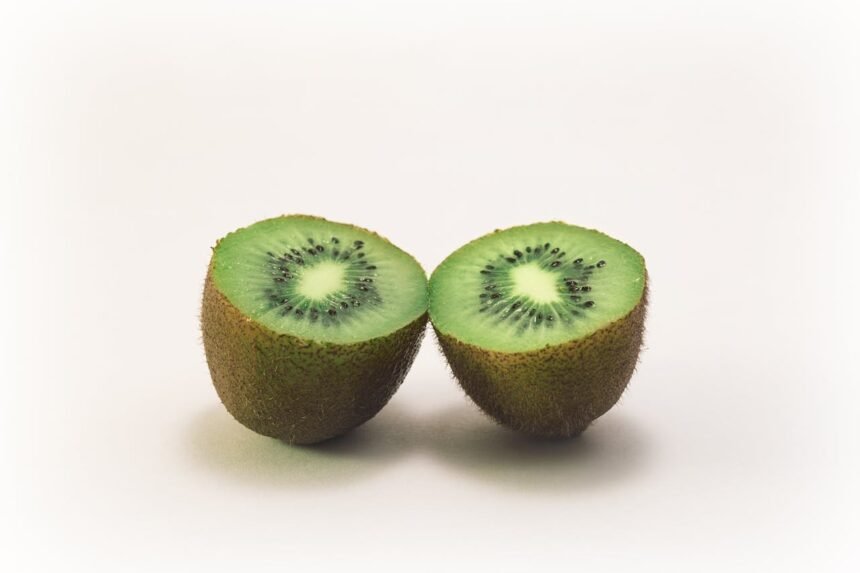
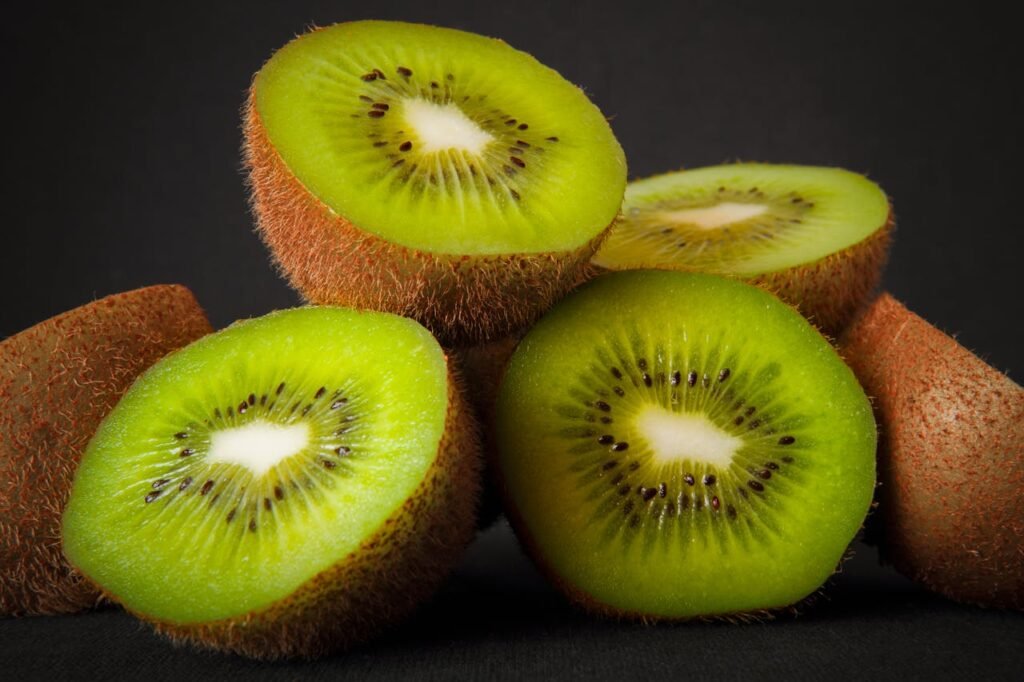
Enter the kiwi fruit. Often overlooked in the fruit bowl, this small, fuzzy fruit—also known as the Chinese gooseberry—is a nutritional powerhouse. With its vibrant green or gold flesh and unique tart-sweet flavour, it offers a refreshing change from apples and bananas.
But beyond the taste, is it beneficial for you and your baby? The short answer is a resounding yes. From aiding digestion to boosting your immune system, the benefits are extensive.
In this article, we explore the specific advantages of eating kiwi fruit during pregnancy, backed by science, and offer practical tips on how to include it in your daily diet.
Overview: A Nutritional Powerhouse
When you are pregnant, your nutritional needs increase significantly. Your body requires more micronutrients to support the increase in blood volume, the growth of the placenta, and the development of the foetal skeleton and organs.
Kiwi fruit is exceptionally nutrient-dense. It is low in calories but high in water content and essential vitamins. It is widely considered one of the most nutritionally complete fruits available.
A single medium-sized kiwi contains a significant amount of Vitamin C, surpassing even oranges in concentration. Furthermore, it is a source of Vitamin K, Vitamin E, potassium, and dietary fibre. Perhaps most importantly for pregnancy, it contains folate.
Including nutrient-dense foods like kiwi helps you meet these increased demands without consuming excessive empty calories, which supports healthy weight gain guidelines outlined by the NHS.
5 Health Benefits of Kiwi During Pregnancy
Below, we break down the five primary reasons why adding this fruit to your basket is a smart choice for expecting mothers.
1. High Folate Content Supports Neural Development
Folate (Vitamin B9) is arguably the most critical nutrient during the early stages of pregnancy. It is essential for cell division and the formation of the neural tube, which eventually becomes the baby’s brain and spinal cord.
Why it matters:
Insufficient folate levels can lead to neural tube defects, such as spina bifida. While taking a prenatal supplement is recommended, obtaining folate from whole foods is an excellent way to boost your levels naturally.
Kiwi fruit provides a healthy dose of natural folate. Consuming it alongside your prenatal vitamins helps ensure your levels remain optimal during those crucial first weeks and months.
2. Vitamin C Boosts Immunity and Iron Absorption
Pregnancy naturally suppresses your immune system slightly to stop your body from rejecting the foetus. This can make you more susceptible to colds and seasonal flu.
The role of Vitamin C:
Kiwi is famous for its exceptionally high Vitamin C content. This antioxidant is vital for:
- Immune defence: Protecting cells from free radicals.
- Collagen production: Essential for your baby’s skin and bone development, as well as maintaining your own skin’s elasticity (which may help with stretch marks).
- Iron absorption: Many pregnant women struggle with anaemia. Plant-based iron (non-haem iron) is difficult for the body to absorb. Eating kiwi alongside iron-rich foods like spinach or fortified cereals can significantly improve absorption rates, a strategy supported by Healthline.
3. Dietary Fibre and Enzymes Aid Digestion
Constipation and bloating are among the most common complaints during pregnancy. This is due to rising levels of progesterone, which relaxes the muscles in the digestive tract, slowing down the passage of food.
How kiwi helps:
Kiwi contains both soluble and insoluble fibre, which adds bulk to the stool and facilitates movement through the gut. However, it has a secret weapon: actinidin.
Actinidin is a natural proteolytic enzyme unique to kiwi fruit. It helps break down proteins in the digestive tract, making digestion more efficient and reducing the sensation of bloating after meals. Research from the British Nutrition Foundation highlights the importance of fibre sources for gut health, and kiwi is a gentle, effective option.
4. Low Glycaemic Index Assists Blood Sugar Control
Gestational diabetes is a concern for many pregnant women. Managing blood sugar levels is crucial to prevent complications such as a high birth weight.
The sweet solution:
Despite its sweet taste, kiwi has a low Glycaemic Index (GI). This means the sugar is released into the bloodstream slowly, preventing sharp spikes in insulin.
According to Diabetes UK, choosing low GI foods can help manage glucose levels effectively. The high water and fibre content in kiwi further aids in regulating sugar absorption, making it a safe dessert or snack for those monitoring their blood glucose.
5. Potassium Helps Manage Blood Pressure
maintaining healthy blood pressure is vital to prevent pre-eclampsia, a serious condition characterised by high blood pressure and signs of damage to another organ system, most often the liver and kidneys.
Electrolyte balance:
Potassium is an electrolyte that counteracts the effects of sodium in the body. Since pregnancy increases the body’s fluid volume, maintaining the correct electrolyte balance is essential.
Kiwi is a good source of potassium. Adequate potassium intake can also help alleviate muscle cramps, a frequent annoyance in the second and third trimesters, often disrupting sleep.
Nutrient Breakdown
Understanding exactly what you are consuming can help you plan your meals better. Here is a look at the nutritional profile of raw kiwi fruit.
| Nutrient | Amount per 100g (Approx. 1-2 fruits) | Benefit in Pregnancy |
|---|---|---|
| Calories | 61 kcal | Energy without excess weight gain |
| Carbohydrates | 15 g | Fuel for you and baby |
| Fibre | 3 g | Prevents constipation |
| Vitamin C | 93 mg | Immunity & collagen formation |
| Vitamin K | 40 mcg | Blood clotting & bone health |
| Folate | 31 mcg | Neural tube development |
| Potassium | 312 mg | Fluid balance & blood pressure |
Dietary Management: Incorporating Kiwi Safely
While kiwi is generally safe, there are nuances to consider to ensure you are eating it safely and effectively.
Washing and Preparation
Even though you might peel the fruit, it is essential to wash it thoroughly first. This removes any potential bacteria or parasites, such as toxoplasma, from the skin that could transfer to the flesh when cutting. Food safety is paramount, as detailed by GOV.UK.
Latex-Fruit Syndrome
If you have a latex allergy, you must be cautious. There is a condition known as latex-fruit syndrome, where people allergic to latex may also react to kiwi, bananas, and avocados due to similar proteins. If you experience an itching mouth or swelling, cease consumption and consult your GP or midwife.
Practical Tips for Preparation
- The Scoop Method: Simply cut the fruit in half and scoop out the flesh with a spoon for an instant snack.
- Smoothie Booster: Blend kiwi with spinach, banana, and yoghurt. The Vitamin C in the kiwi will help you absorb the iron from the spinach.
- Salad Topper: Add sliced kiwi to a rocket and walnut salad. The tartness cuts through rich dressings.
- Meat Marinade: Use mashed kiwi as a marinade for meats. The enzyme actinidin tenderises beef or chicken effectively.
For more recipe inspiration, resources like BBC Good Food offer excellent ideas for healthy preparation.
Frequently Asked Questions
Can I eat the skin of the kiwi fruit?
Yes, the skin is completely edible and contains a high concentration of fibre and antioxidants. However, the texture can be off-putting for some. If you choose to eat it, scrub the fuzz off gently and wash it thoroughly to remove any pesticides or bacteria.
How many kiwis should I eat a day?
One or two kiwis a day is an excellent amount to gain the benefits without overdoing the sugar or acidity. As with all things in pregnancy, moderation and variety are key, a sentiment echoed by Tommy’s, a leading pregnancy charity.
Is kiwi safe for gestational diabetes?
Generally, yes. Because of its low Glycaemic Index, it is a safer fruit choice than high-sugar options like dried fruits or grapes. However, always monitor your own blood sugar response and consult your dietician.
Can kiwi cause heartburn?
Kiwi is naturally acidic. If you are suffering from severe pregnancy heartburn or acid reflux (GORD), you might find that acidic fruits aggravate the condition. In this case, try eating it with other non-acidic foods (like yoghurt) rather than on an empty stomach.
The Bottom Line
Eating kiwi fruit during pregnancy is a brilliant way to support your health and your baby’s development. It is a natural, delicious multivitamin packed with folate, Vitamin C, and fibre.
From keeping your digestion moving to ensuring your iron levels stay up, the benefits are tangible. Unless you have a specific allergy, there is little reason not to include this vibrant fruit in your diet.
Remember to wash fruit thoroughly and listen to your body. Prioritise a balanced diet rich in variety, and enjoy the sweet, tangy burst of energy that a kiwi provides.
Always consult your midwife or GP if you have concerns about your diet or potential allergies. For further guidance on healthy eating, the NCT provides comprehensive resources for expecting parents.