Swiss chard is a nutritional powerhouse belonging to the chenopod family, closely related to beets and spinach. Known for its vibrant stalks and dark green leaves, it is packed with essential vitamins, minerals, and potent plant compounds. This article explores the science-backed benefits of Swiss chard, ranging from improved bone density and blood sugar regulation to heart health and cancer prevention. We also discuss safety precautions regarding vitamin K and oxalates, ensuring you can incorporate this superfood into your diet effectively.
What Is Swiss Chard?
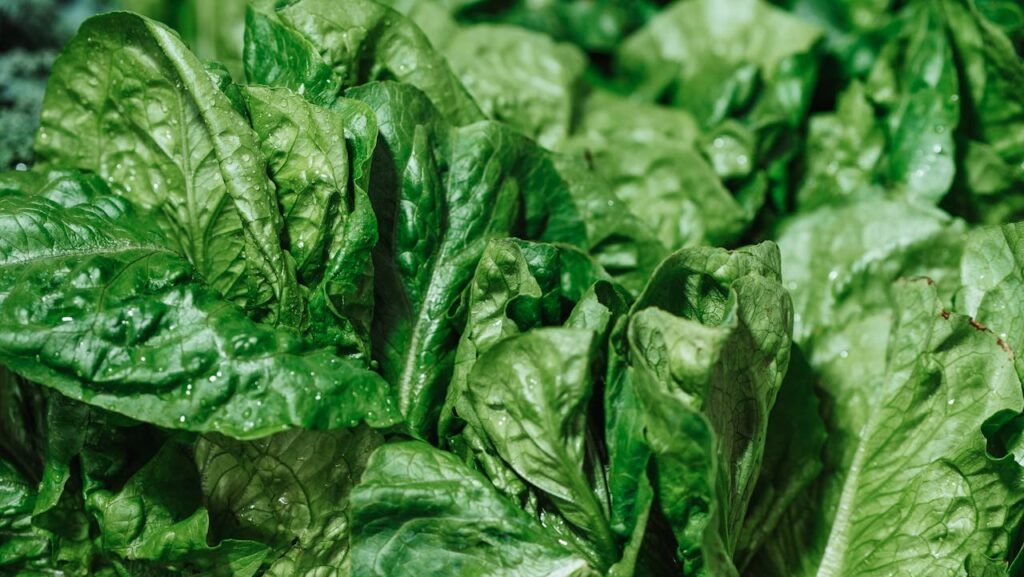
Swiss chard (Beta vulgaris subsp. vulgaris) is a leafy green vegetable that is often underappreciated compared to its popular relatives like kale and spinach. Despite its name, Swiss chard did not originate in Switzerland but likely traces its roots to the Mediterranean region. It is easily identifiable by its large, fleshy, tender, deep green leaves and thick, crisp stalks. The stalks can range in color from white to yellow and red, depending on the variety. When different colored varieties are bundled together, they are often sold as “rainbow chard.”
Biologically, chard is a powerhouse of nutrition. It is exceedingly low in calories but dense in essential micronutrients. According to the USDA FoodData Central, a single cup of cooked Swiss chard provides over 700% of the daily value (DV) for vitamin K, making it one of the richest sources of this vital nutrient available. It is also an excellent source of vitamin A, magnesium, manganese, copper, and potassium, providing a broad spectrum of minerals necessary for optimal physiological function. For those looking to optimize their intake of nutrient-dense superfoods, Swiss chard is an indispensable addition to the pantry.
1. A Potent Source of Antioxidants
One of the most impressive attributes of Swiss chard is its diverse range of antioxidants. Antioxidants are compounds that fight free radicals in your body, which are unstable molecules that can damage cells and lead to chronic inflammation and diseases. Swiss chard contains many flavonoid antioxidants, including quercetin, kaempferol, rutin, and vitexin. Furthermore, it is rich in beta-carotene and alpha-lipoic acid.
Research suggests that the unique combination of phytonutrients in chard works synergistically to combat oxidative stress. A study published in PubMed highlights that the betalain pigments found in the stems—similar to those in beets—have powerful anti-inflammatory and detoxification properties. By reducing oxidative damage, these compounds help protect cellular integrity and reduce the risk of chronic conditions such as arthritis and cardiovascular disease. To learn more about how cellular damage occurs, read our guide on understanding oxidative stress and how diet plays a role in prevention.
2. Crucial Support for Bone Health
When we think of bone health, calcium is often the first mineral that comes to mind. However, vitamin K is equally important, and Swiss chard is arguably one of the best sources on the planet. Vitamin K1 (phylloquinone) is essential for the modification of osteocalcin, the main protein in bone matrix. Without adequate vitamin K, osteocalcin cannot bind to calcium effectively, leading to weaker bone structure.
The National Institutes of Health (NIH) indicates that low vitamin K intake is associated with a higher risk of bone fractures and reduced bone mineral density. Just one cup of Swiss chard covers your daily requirement multiple times over, providing a significant buffer for skeletal health. This is particularly important for postmenopausal women and older adults who are at a higher risk for osteoporosis. Consuming greens like chard alongside healthy fats can improve vitamin K absorption. For a deeper dive into skeletal maintenance, check out our article on the critical role of Vitamin K in longevity.
3. Natural Blood Sugar Regulation
Maintaining stable blood sugar levels is vital for preventing and managing type 2 diabetes. Swiss chard offers specific benefits in this area due to its fiber content and specific antioxidants. The vegetable contains syringic acid, a compound that has been shown to inhibit the activity of alpha-glucosidase, an enzyme that breaks down carbohydrates into simple sugars. This inhibition slows down the absorption of sugar into the bloodstream, preventing rapid spikes in glucose.
Additionally, the high fiber content in chard helps regulate the digestion rate. Studies found in PubMed Central suggest that antioxidants like alpha-lipoic acid may also improve insulin sensitivity and reduce the symptoms of diabetic neuropathy. By integrating chard into meals, individuals can leverage these properties to support metabolic health. For practical dietary strategies, visit our resource on effective blood sugar management through whole foods.
4. Cardiovascular Health and Blood Pressure
Heart disease remains a leading cause of death globally, but diet plays a massive role in mitigation. Swiss chard is rich in nitrates, which the body converts into nitric oxide. Nitric oxide acts as a vasodilator, relaxing blood vessels and improving blood flow, which in turn helps lower blood pressure. Furthermore, chard is an excellent source of potassium and magnesium, two minerals that counteract the hypertensive effects of sodium.
The American Heart Association emphasizes the importance of potassium-rich foods in managing hypertension. Magnesium, also abundant in chard, helps prevent calcification of the arteries and supports healthy heart rhythm. By reducing arterial stiffness and lowering blood pressure, Swiss chard acts as a cardioprotective agent. To ensure you are getting enough heart-healthy electrolytes, read about essential minerals for heart health.
5. Potential Cancer-Fighting Properties
Leafy greens are consistently linked to lower cancer risks, and Swiss chard is no exception. The vegetable contains chlorophyll, the pigment responsible for its green color. Chlorophyll has been shown to bind to heterocyclic amines—carcinogenic compounds generated when grilling foods at a high temperature—thereby preventing their absorption in the gut.
Beyond chlorophyll, the antioxidant profile of chard, including beta-carotene and apigenin, exhibits anti-proliferative effects on cancer cells. According to the National Cancer Institute, a diet rich in cruciferous and leafy vegetables is a cornerstone of cancer prevention strategies. These vegetables promote apoptosis (cell death) in harmful cells while protecting healthy DNA. For more information on an oncology-supportive diet, see our post on foods that lower cancer risk.
6. Enhancing Vision and Eye Health
As we age, macular degeneration and cataracts become significant concerns. Swiss chard is loaded with lutein and zeaxanthin, two carotenoids that accumulate in the retina of the eye. These compounds act as internal sunglasses, filtering out harmful high-energy blue light and protecting the delicate structures of the eye from oxidative damage.
The National Eye Institute supports the consumption of dark leafy greens to delay the progression of age-related eye diseases. A single cup of chard provides a substantial portion of the recommended daily intake for vitamin A (in the form of beta-carotene), which is crucial for low-light vision and preventing night blindness. Protecting your vision starts on your plate; learn more at essential nutrients for long-term vision.
7. Promoting Weight Loss and Satiety
For those aiming to lose weight or maintain a healthy BMI, Swiss chard is a strategic food choice. It is extremely low in calories (roughly 35 calories per cooked cup) yet high in dietary fiber. Fiber adds bulk to the diet without adding extra calories, promoting a feeling of fullness and reducing overall calorie intake. The slow digestion of fiber also keeps hunger hormones in check.
Data from the Centers for Disease Control and Prevention (CDC) suggests that people who consume high-volume, low-calorie foods are more successful at long-term weight management. Replacing calorie-dense sides with Swiss chard can drastically reduce the caloric density of a meal while increasing nutrient intake. If you are struggling with hunger during a diet, explore our tips on high-fiber diets for satiety.
Potential Downsides and Precautions
While Swiss chard is incredibly healthy, it is not suitable for everyone in unlimited quantities. The primary concern regarding chard is its high oxalate content. Oxalates are organic compounds that can bind to minerals like calcium and form kidney stones in susceptible individuals. If you have a history of calcium oxalate stones, you may need to moderate your intake or cook the chard to reduce oxalate levels.
The National Kidney Foundation advises that boiling leafy greens can significantly reduce soluble oxalates. Furthermore, because chard is so high in vitamin K, it can interfere with blood-thinning medications like Warfarin. Vitamin K promotes clotting, which counteracts the medication’s effects. Those on anticoagulants should maintain a consistent intake rather than eliminating it entirely, as noted by MedlinePlus. Always consult your doctor before making drastic dietary changes. Read more about managing these risks in our article on dietary tips for kidney stone prevention.
How to Prepare Swiss Chard
Swiss chard is versatile in the kitchen. The stalks take longer to cook than the leaves, so it is often best to chop the stalks and sauté them first for a few minutes before adding the leaves. It can be steamed, boiled, roasted, or eaten raw in salads (though young leaves are better for raw consumption due to a milder flavor). Adding a splash of lemon juice or vinegar can help balance the slight bitterness of the greens. For inspiration, check out our guide on the best ways to cook leafy greens.
Takeaway
Swiss chard is a nutritional titan that offers a vast array of health benefits, from bolstering bone density with vitamin K to protecting the heart with magnesium and nitrates. Its antioxidant profile makes it a formidable ally against chronic disease and inflammation. However, mindful consumption is necessary for those prone to kidney stones or taking specific medications. By incorporating this colorful vegetable into a balanced diet, you can take a significant step toward better health.