
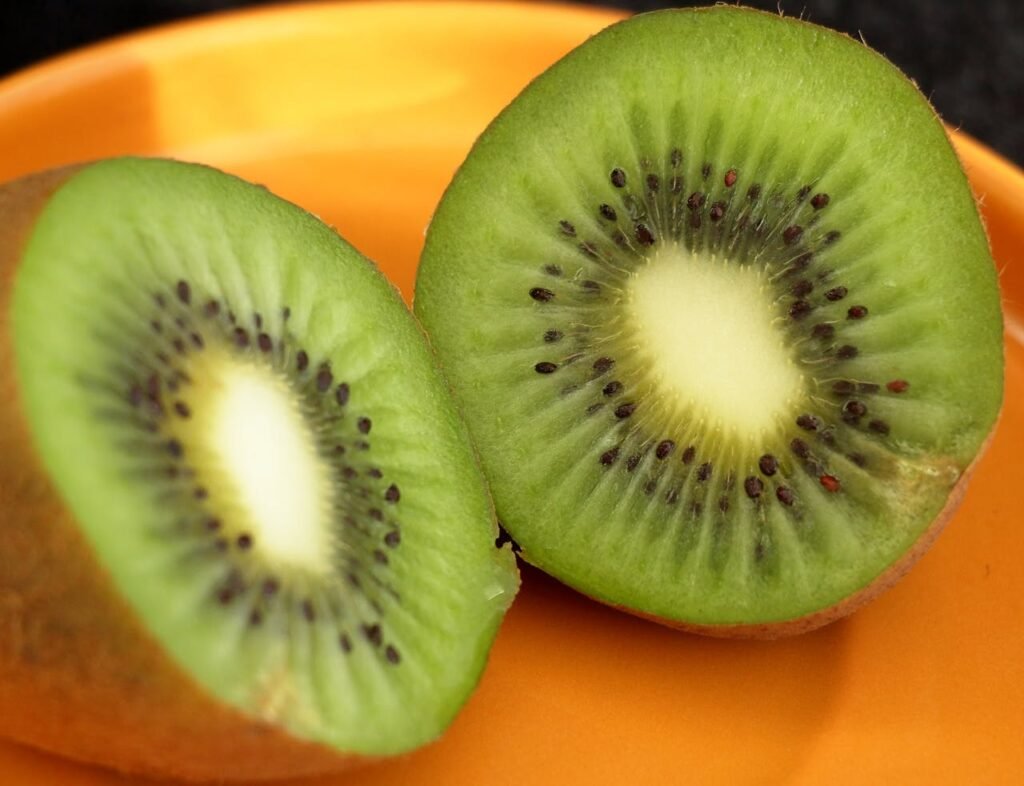
Kiwi fruits are small fruits that pack a lot of flavour and plenty of health benefits. Their green flesh is sweet and tangy. It is also full of nutrients like vitamin C, vitamin K, vitamin E, folate, and potassium. They also have a lot of antioxidants and are a good source of fibre. Their small black seeds are edible, as is the fuzzy brown peel, though many people prefer to peel the kiwi before eating it.
Originally growing in China, the fruit was once known as the ‘Chinese gooseberry’. It was New Zealand missionaries who brought the fruit home in the early 20th century, eventually renaming it after their national bird, the kiwi. While they might be small in size, these fruits are massive in nutritional profile. Incorporating them into your daily diet can have profound effects on your digestion, immune system, and metabolic health.
In this article, we will explore the science-backed benefits of kiwi fruit, its nutritional content, and how you can easily add it to your diet to optimise your health.
Overview of the Kiwi Fruit
Kiwi fruit, or simply kiwi, is the edible berry of several species of woody vines in the genus Actinidia. The most common variety available in supermarkets around the world is the fuzzy kiwifruit (Actinidia deliciosa).
However, there are other varieties, such as the golden kiwi (Actinidia chinensis), which has smoother skin and a sweeter, more tropical taste. Regardless of the variety, kiwis are renowned for being nutrient-dense.
Unlike many other fruits, the kiwi is incredibly rich in vitamin C. In fact, a single kiwi fruit provides more than your daily recommended allowance of this vital nutrient. Furthermore, they are low in calories but high in energy-boosting carbohydrates, making them an excellent snack for weight management.
Health experts often highlight the kiwi for its unique combination of fibre and enzymes. This pairing is rarely found in such concentrations in other common fruits, which is why the kiwi is often considered a ‘superfood’ in the context of digestive health.
7 Science-Backed Health Benefits
Here are 7 impressive health benefits of kiwi fruit, supported by scientific evidence.
1. Powerhouse of Vitamin C
When you think of vitamin C, oranges likely come to mind. However, kiwis actually contain significantly more vitamin C per gram than citrus fruits. Vitamin C is an essential nutrient that functions as a powerful antioxidant in the body.
It is crucial for cellular health and protects your cells from oxidative damage caused by free radicals. Research has shown that maintaining high levels of vitamin C is vital for the growth and repair of tissues in all parts of your body. It is used to form collagen, a protein used to make skin, scar tissue, tendons, ligaments, and blood vessels.
Because your body cannot produce this vitamin on its own, getting it from dietary sources like kiwi is essential. You can read more about the importance of Vitamin C on the NHS website.
2. Enhances Digestive Health
Kiwi fruit is well known for its ability to aid digestion. This is not just because of its fibre content, although that is certainly helpful. Kiwis contain a proteolytic enzyme called actinidin.
Actinidin is a natural enzyme that helps break down proteins. If you have ever felt heavy or bloated after a high-protein meal, eating a kiwi might help.
One study regarding actinidin found that it significantly improved the digestion of proteins in the small intestine. This makes kiwi an excellent dessert choice after a dinner involving meat or fish.
Furthermore, the high fibre content helps add bulk to stools and promotes regular bowel movements, reducing the likelihood of constipation.
3. Supports Immune Function
Your immune system is your body’s first line of defence against infections and diseases. The high concentration of vitamin C in kiwis plays a massive role here.
Studies suggest that vitamin C can increase the production of white blood cells, which are key to fighting infection. Furthermore, kiwis contain other nutrients like folate and vitamin K, which also support immune health.
Regular consumption of kiwi fruit may reduce the likelihood of developing cold or flu-like illnesses. This is particularly beneficial for at-risk groups, such as the elderly and young children. For a deeper dive into immunity, check out this Healthline article on immune-boosting foods.
4. May Improve Heart Health
Heart disease is a major concern globally. Kiwis possess properties that may lower blood pressure and reduce the risk of stroke and heart disease.
A study conducted in 2014 found that eating three kiwis a day was associated with significantly lower blood pressure compared to eating one apple a day. Long-term, this can mean a reduced strain on the cardiovascular system.
Kiwis are also a good source of potassium. Potassium helps counteract the effects of sodium in the body, which is a key factor in managing blood pressure. The British Heart Foundation emphasises the importance of fruit and vegetables in maintaining a healthy heart.
5. Reduces Oxidative Stress
Oxidative stress is an imbalance between free radicals and antioxidants in your body. This state can damage your DNA and lead to health issues like diabetes, heart disease, and inflammation.
Kiwis are packed with antioxidants, including vitamin C, choline, lutein, and zeaxanthin. These compounds help remove free radicals from the body.
By reducing oxidative stress, you may also protect yourself against cellular damage. Some research on antioxidants indicates that regular consumption of antioxidant-rich fruits can alter the genetic repair process, effectively preventing DNA damage.
6. Can Improve Sleep Quality
Sleep disorders are becoming increasingly common. Interestingly, kiwi fruit might be a natural sleep aid.
Kiwis contain serotonin, a neurotransmitter that plays a critical role in sleep regulation. Serotonin is also a precursor to melatonin, the hormone that signals to your body that it is time to sleep.
In a study focusing on sleep quality, participants who ate two kiwis one hour before bedtime for four weeks fell asleep 42% faster than those who did not. Their total sleep time and sleep efficiency also increased significantly.
7. Benefits for Skin Health
Collagen is the main structural protein in the skin. It keeps the skin firm, plump, and youthful. As mentioned earlier, vitamin C is essential for collagen synthesis.
Without adequate vitamin C, the body cannot produce enough collagen, leading to dry, wrinkled skin. The high vitamin C content in kiwi supports the skin’s natural barrier and ability to heal.
Additionally, the vitamin E in kiwi acts as an antioxidant that protects the skin from sun damage. For more on how diet affects your complexion, Medical News Today offers excellent resources on skin-healthy foods.
Nutritional Breakdown
To understand just how nutrient-dense these fruits are, here is a breakdown of the nutritional value for a standard 100-gram serving of raw green kiwi fruit.
| Nutrient | Amount per 100g | % Daily Value (Approx) |
|---|---|---|
| Calories | 61 kcal | 3% |
| Carbohydrates | 15 g | 5% |
| Fibre | 3 g | 12% |
| Sugar | 9 g | – |
| Protein | 1.1 g | 2% |
| Vitamin C | 93 mg | 155% |
| Vitamin K | 40.3 mcg | 50% |
| Potassium | 312 mg | 9% |
| Folate | 25 mcg | 6% |
Source: Gov.UK Composition of Foods
Diagnosis and Treatment: Allergies
While kiwis are healthy for most, they are also a common allergen. Kiwi allergy is often associated with ‘oral allergy syndrome’ (OAS).
Symptoms and Causes
OAS occurs because the proteins in kiwi fruit are similar to the proteins found in certain pollens, particularly birch pollen. If you suffer from hay fever, you might notice an itchy mouth or throat after eating kiwi.
Severe reactions are rarer but can happen. Symptoms may include:
- Swelling of the lips, tongue, or throat.
- Difficulty breathing.
- Abdominal pain or vomiting.
Diagnosis
If you suspect an allergy, it is vital to speak to a GP or an allergist. They may perform skin prick tests or blood tests to confirm a diagnosis. You can find more information on food allergies via the NHS guide on food allergies.
Tips for Management
To get the most out of your kiwi fruit, selection and storage are key.
- Selection: Look for kiwis that are slightly soft to the touch. If they are rock hard, they are unripe. If they are mushy, they are overripe.
- Ripening: If you buy hard kiwis, place them in a paper bag with a banana or apple. These fruits release ethylene gas, which speeds up the ripening process.
- Storage: Ripe kiwis should be stored in the fridge to keep them fresh for longer. They can last up to two weeks in the refrigerator.
- Eating: While most people scoop out the flesh, you can wash the skin and eat the fruit whole like an apple. The skin is high in fibre and antioxidants.
Frequently Asked Questions
Can you eat the skin of a kiwi fruit?
Yes, the skin is completely edible. It contains a high concentration of fibre and antioxidants. However, the fuzzy texture can be unpleasant for some. If you choose to eat the skin, ensure you wash the fruit thoroughly first to remove any potential pesticide residues.
Is kiwi fruit high in sugar?
Kiwi contains natural fruit sugars (fructose), with about 9 grams per 100g serving. However, it has a low glycaemic index (GI), meaning the sugar is released slowly into the bloodstream. This makes it a suitable fruit for most people, including those monitoring their blood sugar, when eaten in moderation.
How many kiwis should I eat a day?
Most studies demonstrating health benefits involve consuming two to three kiwis per day. This amount ensures you get a substantial boost of vitamin C and fibre without consuming excessive calories. For general health advice, follow the NHS 5 A Day guidelines.
Can kiwi help with constipation?
Yes. The combination of soluble fibre, insoluble fibre, and the enzyme actinidin makes kiwi very effective for relieving constipation. It is often recommended as a natural laxative for mild digestive issues.
The Bottom Line
Kiwi fruits are a nutrient-dense food that can significantly benefit your health. From boosting your immune system with high levels of vitamin C to improving digestion via natural enzymes, the benefits are extensive.
Including just one or two kiwis in your daily routine is an easy way to support heart health, improve sleep quality, and protect your body against oxidative stress. They are versatile, delicious, and widely available.
However, always remain aware of potential allergies, specifically if you have a history of pollen allergies. If you are looking to improve your overall wellbeing through diet, the humble kiwi is an excellent place to start.