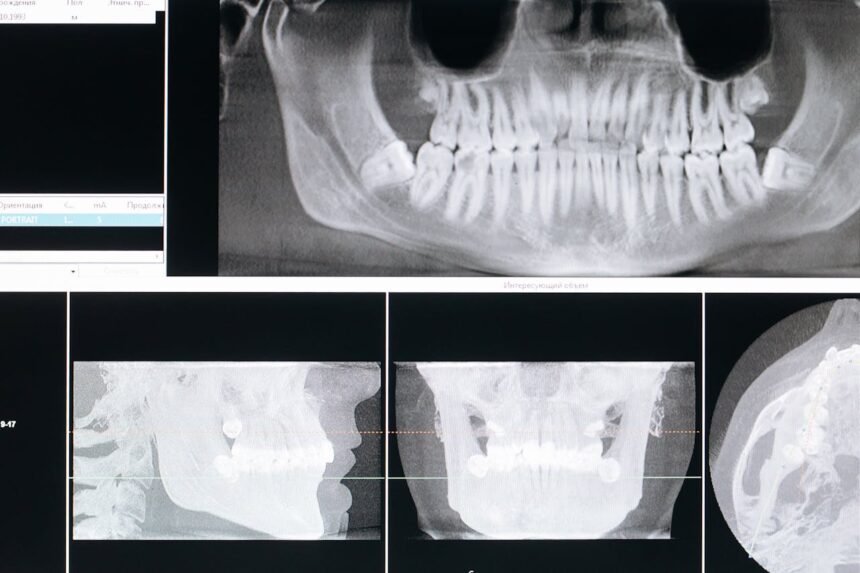
Vitamin D, often dubbed the “sunshine vitamin,” plays an indispensable role in maintaining robust skeletal health throughout our lives. Far beyond its common association with calcium absorption, Vitamin D is a prohormone critical for bone mineralization, remodeling, and the intricate balance required to prevent conditions like osteoporosis. For professionals navigating an increasingly complex health landscape, understanding and implementing effective Vitamin D strategies is paramount for personal well-being and for informing patient care.
As a foundational element for strong bones, adequate Vitamin D levels are crucial in mitigating fracture risk factors and supporting overall bone integrity. This comprehensive guide delves into seven critical strategies that professionals can leverage to optimize Vitamin D status and foster resilient bone density.
The Indispensable Role of Vitamin D in Skeletal Health
Vitamin D’s primary function in skeletal health revolves around its ability to regulate calcium and phosphate homeostasis. It facilitates the efficient absorption of calcium from the gut, ensuring that sufficient mineral is available for bone formation and maintenance. Without adequate Vitamin D, the body cannot effectively utilize the calcium it consumes, leading to compromised bone mineralization and a heightened risk of osteoporosis prevention challenges.
Furthermore, Vitamin D influences osteoblast and osteoclast activity – the cells responsible for building and breaking down bone tissue, respectively. This delicate balance is vital for continuous bone remodeling, a process that repairs micro-damage and adapts bone structure to mechanical stress. Proper Vitamin D levels are especially critical during periods of rapid kids bone growth, menopause bone loss, and in supporting senior bone health, where bone turnover is a significant factor. Its impact extends to muscle function, which indirectly contributes to bone health by improving balance and reducing fall risks.
7 Key Vitamin D Strategies for Robust Skeletal Health
Implementing a multifaceted approach to Vitamin D optimization is essential for maximizing its benefits for your skeletal system.
1. Embrace Mindful Sun Exposure
The human body’s primary mechanism for Vitamin D synthesis is through exposure of the skin to ultraviolet B (UVB) radiation from sunlight. This natural process is highly efficient and typically accounts for the majority of Vitamin D in most individuals. However, factors such as geographic latitude, time of day, season, skin pigmentation, and sunscreen use can significantly impact the amount of Vitamin D produced.
To safely harness this natural source, consider short, regular periods of sun exposure (e.g., 10-30 minutes, depending on skin type and UV index) during peak UVB hours without sunscreen, ensuring not to burn. For individuals residing in northern latitudes or with darker skin tones, natural synthesis can be less effective, necessitating alternative strategies. Understanding the nuances of sun exposure is a fundamental bone density tip that combines nature’s gift with responsible practices to support vitamin d bones. For more detailed guidance on safe sun exposure, consult resources like the World Health Organization’s Sun Protection Guide.
2. Prioritize Dietary Intake and Fortified Foods
While sun exposure is a significant source, dietary intake plays a crucial supplementary role. Few foods naturally contain substantial amounts of Vitamin D, making fortified foods a cornerstone of a healthy bone diet.
Natural Sources Include:
- Fatty fish (salmon, mackerel, tuna, sardines)
- Cod liver oil
- Smaller amounts in beef liver, egg yolks, and certain mushrooms (especially those exposed to UV light).
Fortified Foods Are Common and Effective:
- Milk (cow’s milk and many plant-based alternatives like almond, soy, and oat milk)
- Breakfast cereals
- Orange juice
- Some yogurts and margarines
For individuals adhering to specific dietary preferences, such as those seeking dairy free calcium or following a vegan lifestyle, it’s vital to focus on fortified plant-based alternatives and specific vegan bone nutrients. Integrating these into your daily regimen is a practical healthy bone diet strategy. The National Institutes of Health Office of Dietary Supplements provides comprehensive data on Vitamin D in foods.
3. Strategic Supplementation When Necessary
Despite best efforts in sun exposure and diet, many individuals, particularly those with limited sun exposure, certain medical conditions, or malabsorption issues, may require Vitamin D supplementation. Supplementation is a targeted strategy for ensuring optimal blood levels of 25-hydroxyvitamin D (25(OH)D), the circulating form of Vitamin D.
- Types: Vitamin D3 (cholecalciferol) is generally preferred over Vitamin D2 (ergocalciferol) due to its superior efficacy in raising and maintaining serum 25(OH)D levels.
- Dosage: The appropriate dosage varies widely based on age, existing Vitamin D levels, and individual needs. It’s crucial to consult with a healthcare professional to determine the correct dosage, avoiding both deficiency and excessive intake, which can lead to toxicity.
- Target Groups: Senior bone health, postmenopausal bones, individuals with chronic diseases, and those living in areas with minimal sunlight often benefit significantly from supplementation as part of their osteoporosis prevention plan.
4. Optimize Calcium and Magnesium Co-factors
Vitamin D does not work in isolation. Its efficacy in promoting vitamin d bones is heavily dependent on the adequate availability of other key minerals, primarily calcium and magnesium.
- Calcium: Vitamin D significantly enhances the absorption of calcium from the intestines. Therefore, consuming sufficient calcium rich foods (e.g., dairy products, leafy greens, fortified foods) is non-negotiable. Without adequate calcium, even optimal Vitamin D levels cannot fully support bone mineralization.
- Magnesium: Often overlooked, magnesium is a critical co-factor in Vitamin D metabolism. It is involved in the activation of Vitamin D in the liver and kidneys, converting it into its active form. Magnesium also plays a direct role in bone matrix formation. Good sources of magnesium bone health support include nuts, seeds, whole grains, legumes, and dark leafy greens. Prioritizing these minerals alongside Vitamin D forms a robust healthy bone diet foundation. Learn more about the synergistic relationship between nutrients for bone health from reputable sources like the Harvard T.H. Chan School of Public Health.
5. Incorporate Regular Weight-Bearing and Strength-Building Exercise
While not directly a Vitamin D strategy, exercise is inextricably linked to skeletal health and significantly amplifies the benefits of adequate Vitamin D. Bone strength exercises stimulate osteoblasts, encouraging bone remodeling and increasing bone density.
- Weight-Bearing Workouts: Activities where your body works against gravity, such as walking, jogging, hiking, dancing, and stair climbing, are excellent for strengthening bones. These are vital for osteoporosis prevention.
- Resistance Training: Lifting weights, using resistance bands, or performing bodyweight exercises (e.g., push-ups, squats, lunges) puts stress on bones, signaling them to become stronger and denser.
- Impact: Even moderate impact from activities like jumping rope can be beneficial. For runner bone stress, it’s important to balance intensity with proper recovery to avoid overuse injuries.
Regular physical activity contributes to reduced fracture risk factors by improving balance, coordination, and muscle strength, thereby preventing falls. The Bone Health & Osteoporosis Foundation offers extensive resources on exercise for bone health.
6. Address Life Stage and Specific Risk Factors
Vitamin D requirements and bone health considerations evolve throughout life and are influenced by individual risk factors.
- Kids Bone Growth: Ensuring adequate Vitamin D during childhood and adolescence is crucial for reaching peak bone mass, a primary determinant of future bone health.
- Menopause Bone Loss & Postmenopausal Bones: Women experience accelerated bone loss during and after menopause due to declining estrogen levels. Vitamin D, combined with calcium and bone strength exercises, becomes even more critical in mitigating this loss and reducing fracture risk factors.
- Senior Bone Health: The elderly are at higher risk of Vitamin D deficiency due to decreased skin synthesis, reduced dietary intake, and diminished kidney activation. Supplementation and regular monitoring are often necessary.
- Chronic Conditions: Conditions like celiac disease, Crohn’s disease, kidney disease, and certain medications (e.g., corticosteroids) can impair Vitamin D absorption or metabolism. Arthritis bone care also often involves managing inflammatory processes that can negatively impact bone health. Understanding these individual variations allows for tailored Vitamin D strategies. For more on specific risk factors, explore resources like the Cleveland Clinic’s Bone Health information.
7. Routine Monitoring and Professional Guidance
Proactive monitoring of Vitamin D levels and overall bone health is a cornerstone of effective management.
- Blood Tests: A simple blood test can measure your 25(OH)D levels, providing an objective assessment of your Vitamin D status. Regular testing helps healthcare providers recommend appropriate supplementation dosages or adjust existing regimens.
- Bone Density Scans (DEXA): Dual-energy X-ray absorptiometry (DEXA) scans provide crucial bone scan results, quantifying bone mineral density and diagnosing osteoporosis or osteopenia. These scans are essential for monitoring bone health, especially for individuals at risk.
- Professional Consultation: Consulting with an endocrinologist, rheumatologist, or your primary care physician is vital for personalized advice. They can help interpret bone scan results, assess individual fracture risk factors, recommend tailored Vitamin D and calcium strategies, and guide you on an optimal healthy bone diet and exercise plan. This guidance is particularly important for individuals with complex health profiles or those requiring specific bone healing foods or therapies.
| Strategy | Primary Benefit for Skeletal Health | Key Actionable Steps |
|---|---|---|
| Mindful Sun Exposure | Natural Vitamin D synthesis, supports bone mineralization. | Short, regular, unprotected sun exposure (10-30 min), considering skin type and latitude. |
| Dietary Intake & Fortified Foods | Provides essential Vitamin D, calcium, and other bone nutrients. | Consume fatty fish, cod liver oil; incorporate fortified milk, cereals, juices, and plant-based alternatives. |
| Strategic Supplementation | Ensures optimal Vitamin D levels when sun/diet are insufficient. | Consult a professional for D3 dosage; vital for high-risk groups (elderly, postmenopausal). |
| Optimize Co-factors (Ca & Mg) | Enhances Vitamin D absorption and bone matrix formation. | Consume calcium-rich foods (dairy, greens) and magnesium-rich foods (nuts, seeds, whole grains). |
| Weight-Bearing Exercise | Stimulates bone remodeling, increases density, reduces fall risk. | Engage in walking, jogging, dancing, strength training (weights, bodyweight) regularly. |
| Address Life Stage & Risk Factors | Tailors strategies to individual needs and vulnerabilities. | Customize plans for kids growth, menopause bone loss, senior health; manage chronic conditions impacting bones. |
| Routine Monitoring & Guidance | Objectively assesses Vitamin D status and bone density, personalizes care. | Regular blood tests for Vitamin D, DEXA scans; consult healthcare professionals for personalized advice and treatment plans. |

Frequently Asked Questions (FAQ)
Q1: How much Vitamin D do I need daily for optimal bone health?
A1: The recommended daily allowance (RDA) varies by age and health status. For most adults, it’s typically 600-800 IU (International Units) per day. However, individuals with deficiency, specific medical conditions, or those who are elderly may require higher doses, sometimes 1,000-4,000 IU. It is crucial to consult your healthcare provider for personalized recommendations based on your blood Vitamin D levels.
Q2: Can too much Vitamin D be harmful?
A2: Yes, excessive intake of Vitamin D can be harmful, leading to Vitamin D toxicity (hypervitaminosis D). This can result in hypercalcemia (high blood calcium levels), which can cause nausea, vomiting, weakness, frequent urination, and in severe cases, kidney problems and bone pain. This is typically only a concern with very high doses from supplements, not from sun exposure or diet. Always follow professional medical advice for supplementation.
Q3: What is the ideal blood level of Vitamin D for bone health?
A3: Most medical organizations define Vitamin D sufficiency as a 25-hydroxyvitamin D (25(OH)D) level of 20 ng/mL (50 nmol/L) or higher. Levels between 30-60 ng/mL (75-150 nmol/L) are often considered optimal for skeletal health and broader benefits by many experts. Your healthcare provider will interpret your bone scan results and blood tests to determine your optimal range.
Q4: Are there specific bone healing foods that can speed up recovery after a fracture?
A4: While no specific “bone healing food” offers a magic bullet, a nutrient-dense diet rich in protein, calcium, Vitamin D, Vitamin K, magnesium, zinc, and Vitamin C is essential for optimal bone repair. Protein provides the building blocks for new bone tissue, while vitamins and minerals support collagen synthesis and mineralization. Examples include lean meats, fish, dairy, leafy greens, fruits, and nuts. Some research also explores the potential modest bone broth benefits due to collagen and minerals, but this should be part of a broader healthy diet.
Q5: I’m vegan; how can I ensure adequate Vitamin D and calcium for my bones?
A5: Vegans can achieve adequate Vitamin D through fortified plant-based milks, cereals, and orange juice, as well as D3 supplements derived from lichen. For calcium, focus on dairy free calcium sources like fortified plant milks, tofu, leafy greens (collard greens, kale), broccoli, fortified orange juice, and calcium-set tofu. Ensuring sufficient intake of these vegan bone nutrients is key, along with regular weight-bearing exercise and professional monitoring.
Conclusion
Optimizing Vitamin D status is a cornerstone of proactive skeletal health management, offering profound benefits for bone density tips and reducing fracture risk factors. By strategically integrating mindful sun exposure, smart dietary choices, judicious supplementation, synergistic nutrient intake, and regular bone strength exercises, individuals can significantly enhance their bone resilience. Coupled with routine monitoring and the invaluable guidance of healthcare professionals, these seven strategies provide a robust framework for fostering lifelong skeletal health. Prioritizing Vitamin D is not just about avoiding deficiency; it’s about empowering your bones to perform at their peak, ensuring a foundation of strength and vitality for years to come.