We often think of air pollution as something that happens outside—smog hanging over a city centre or exhaust fumes on a busy motorway. However, the air inside our homes can be significantly more polluted than the air outdoors. Considering that the average person spends approximately 90% of their time indoors, the quality of the air in your living room, bedroom, and kitchen is critical to your overall health.
It is easy to dismiss a lingering cough or a sudden headache as a symptom of a seasonal virus or simply tiredness. Yet, these issues are frequently the body’s warning signs reacting to invisible contaminants. From mould spores and dust mites to volatile organic compounds (VOCs) released by cleaning products, your home environment plays a massive role in your physical wellbeing.
Identifying poor indoor air quality symptoms is the first step toward creating a safer sanctuary for you and your family. If you notice a pattern of feeling unwell at home but better when you leave, your property might be the culprit. Below, we explore the signs you need to recognise and how to tackle the root causes effectively.
What is poor indoor air quality?
Indoor air quality (IAQ) refers to the quality of the air within and around buildings and structures, especially as it relates to the health and comfort of building occupants. While we cannot see them, our homes are often filled with microscopic particles and gases.
Common pollutants include:
- Combustion by-products: Carbon monoxide, particulate matter, and environmental tobacco smoke.
- Biological agents: Mould, pet dander, and pollen.
- VOCs: Chemicals released from paints, varnishes, and new furniture.
According to the World Health Organization (WHO), household air pollution is a major contributor to respiratory diseases and other health conditions globally. In the UK, modern energy-efficient homes are often sealed tightly to keep heat in. While this is excellent for energy bills, it can inadvertently trap pollutants inside if ventilation is inadequate.
Understanding the link between your environment and your health is vital. When ventilation is poor, humidity rises, and pollutants accumulate, leading to a phenomenon often described as “Sick Building Syndrome.”
7 symptoms of poor indoor air quality
Recognising the signs of compromised air quality can be tricky because they often mimic common colds or allergies. Here are seven key symptoms to watch for.
1. Persistent coughing and respiratory irritation
One of the most immediate signs of polluted air is irritation of the respiratory tract. You might experience a dry cough that simply won’t shift, or a feeling of tightness in your chest. This is often caused by particulate matter (PM2.5) or chemical irritants settling in the lungs.
For those with pre-existing conditions, the effects are more severe. Asthma + Lung UK highlights that indoor triggers like dust mites, mould, and pet dander can cause significant flare-ups in asthma sufferers. If your breathing difficulties worsen at night or whilst in specific rooms, air quality is a likely suspect.
2. Dryness and irritation of the eyes, nose, and throat
Do your eyes feel gritty or watery when you are sitting on your sofa? Does your throat feel scratchy despite staying hydrated? These symptoms are classic indicators of Volatile Organic Compounds (VOCs) circulating in your home.
VOCs are gases emitted from certain solids or liquids, including paints, cleaning supplies, and even dry-cleaned clothing. These chemicals can irritate the mucous membranes. According to Healthline, exposure to these irritants can lead to significant discomfort and long-term sensitivity if not addressed.
3. Frequent headaches and dizziness
While stress and dehydration are common causes of headaches, environmental factors should not be ruled out. Poor ventilation can lead to a build-up of carbon dioxide (CO2) and, in more dangerous cases, carbon monoxide (CO).
Carbon monoxide is odourless and colourless. The Health and Safety Executive (HSE) warns that low-level exposure can cause tension-type headaches and dizziness. Ensuring you have a working carbon monoxide detector is not just about air quality; it is a critical safety requirement.
4. Unexplained fatigue and poor sleep
If you wake up feeling groggy or struggle to concentrate during the day, the air in your bedroom might be to blame. High levels of CO2, often caused by sleeping in a small room with the door and windows shut, can reduce the oxygen available to your brain.
Furthermore, allergens like dust mites thrive in bedding. Allergy UK notes that house dust mite allergy is a major cause of disturbed sleep, leading to chronic fatigue. Improving airflow and washing bedding at 60 degrees Celsius can mitigate this.
5. Skin rashes and dryness
Your skin is your body’s largest organ, and it is in constant contact with the air. Airborne pollutants can settle on the skin, disrupting its natural barrier. This can manifest as redness, dryness, or itchy rashes.
For individuals with eczema, poor air quality is a known aggressor. Mould spores, in particular, can trigger flare-ups. If your skin condition deteriorates during the winter months—when windows are kept shut—it may be a reaction to the increased concentration of indoor pollutants.
6. Chronic sneezing and congestion
Sneezing is a reflex action to expel irritants. If you find yourself sneezing repeatedly without a cold virus present, your body is likely reacting to an airborne allergen. This is often accompanied by sinus congestion or a “stuffy” nose.
This is frequently linked to biological contaminants. A report by the Royal College of Paediatrics and Child Health (RCPCH) emphasises that damp and mould in homes are significant drivers of rhinitis and nasal congestion, particularly in children.
7. Nausea and digestive issues
It might seem surprising, but what you breathe can affect your digestion. Inhaling specific chemical fumes from strong cleaning agents, pesticides, or fresh paint can induce feelings of nausea.
This is usually a sign of acute exposure to high levels of VOCs. If you feel sick after cleaning the bathroom or painting a wall, it is a clear signal that the area lacks sufficient ventilation to disperse the fumes safely.

Actionable steps to improve your home environment
Improving your indoor air quality doesn’t always require expensive equipment. Small behavioural changes can make a significant difference.
Prioritise ventilation
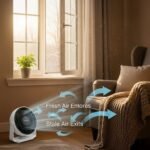
The most effective way to reduce indoor pollutants is to dilute them with fresh air. Open windows for at least 10 minutes a day, even in winter. Use trickle vents on double-glazed windows and ensure extractor fans in bathrooms and kitchens are clean and functional. The Energy Saving Trust provides excellent guidance on balancing ventilation with energy efficiency.
Control humidity and moisture
Moisture is the enemy of healthy air. It encourages mould growth and provides a breeding ground for dust mites. Aim to keep indoor humidity between 30% and 50%. You can achieve this by drying clothes outdoors or in a tumble dryer where possible, rather than on radiators.
maintain a cleaning schedule
Regular vacuuming with a machine equipped with a HEPA filter can trap fine particles that standard vacuums recirculate. Damp dusting is also preferable to dry dusting, as it traps dust rather than launching it back into the air.
Comparing pollutants, sources, and symptoms
| Pollutant Type | Common Sources | Associated Symptoms |
|---|---|---|
| Biological | Pet dander, mould, pollen, dust mites | Sneezing, watery eyes, asthma attacks, eczema |
| Chemical (VOCs) | Paints, glues, cleaning sprays, carpets | Nausea, headaches, throat irritation, dizziness |
| Combustion | Gas hobs, wood burners, cigarettes | Headaches, fatigue, chest pain, coughing |
| Particulate Matter | Cooking, candles, outdoor traffic pollution | Wheezing, bronchitis, cardiovascular issues |
Frequently Asked Questions
Can houseplants really clean the air?
While plants do absorb some toxins, recent studies suggest you would need a dense jungle of them to make a significant impact on a standard room. They are a nice addition for mental wellbeing, but mechanical ventilation is far more effective for air quality.
How do I test my air quality?
You can purchase consumer-grade air quality monitors that track PM2.5, VOCs, humidity, and temperature. For specific concerns like Radon, you should consult UKradon (run by the UK Health Security Agency) for specialised testing kits.
Is air conditioning good for air quality?
Air conditioning can help filter out pollen and reduce humidity, but the filters must be cleaned regularly. If neglected, AC units can become a source of mould and bacteria themselves.
The Bottom Line
Ignoring the symptoms of poor indoor air quality can lead to long-term health consequences, ranging from chronic respiratory issues to cardiovascular strain. Your home should be a safe haven, not a source of illness.
By recognising the signs—such as persistent coughs, headaches, or allergy flare-ups—you can take immediate action. Simple steps like opening windows, reducing moisture, and choosing natural cleaning products can drastically improve the air you breathe.
For vulnerable groups, such as babies and the elderly, these measures are even more vital. The Lullaby Trust advises that maintaining a smoke-free and well-ventilated environment is crucial for infant safety.
If symptoms persist despite your best efforts to clean and ventilate, consult your GP and consider a professional home assessment. Prioritising clean air is an investment in your future health.