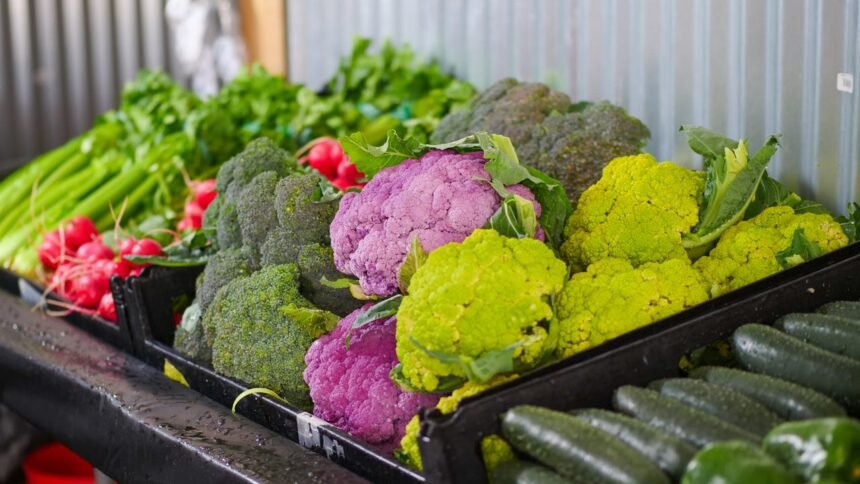
Heart health is a topic that touches nearly every family in the UK. Whether you are managing high blood pressure, watching your cholesterol, or simply looking to safeguard your future wellbeing, the food on your plate plays a pivotal role. It is easy to feel overwhelmed by conflicting dietary advice, but some food groups consistently stand out in scientific research.
Cruciferous vegetables are arguably the most powerful tools in a heart-healthy diet. These nutrient-dense powerhouses are packed with fibre, vitamins, and unique plant compounds that actively protect your cardiovascular system. Yet, many of us struggle to eat enough of them, perhaps due to memories of overboiled school dinners or uncertainty about how to cook them.
By understanding exactly which vegetables belong to this family and how they benefit your arteries, you can make small, delicious changes that have a lasting impact. Here, we explore the science behind these green giants and list the top eight options to prioritise for a healthy heart.
What Are Cruciferous Vegetables?
Cruciferous vegetables belong to the Brassicaceae family of plants. You might recognise them by their four-petalled flowers, which resemble a cross or “crucifer”.
While they come in various shapes, sizes, and colours, they share a unique chemical profile. They are rich in glucosinolates, sulphur-containing compounds that give these vegetables their pungent aroma and slightly bitter flavour. When you chop or chew these vegetables, glucosinolates break down into bioactive compounds like sulforaphane.
Research suggests these compounds may lower inflammation and reduce the risk of chronic diseases, including heart disease. Furthermore, these vegetables are typically low in calories but high in vitamins C, E, and K, folate, and minerals.
According to Healthline’s overview of cruciferous vegetables, regular consumption is linked to lower rates of cancer and cardiovascular issues, making them a staple for longevity.
8 Cruciferous Vegetables for Heart Health
Adding a variety of these vegetables to your diet ensures you get a broad spectrum of protective nutrients. Below are eight of the best options to support your cardiovascular system.
1. Broccoli
Broccoli is often hailed as a superfood, and for good reason. It is incredibly high in fibre, which helps lower cholesterol levels by binding to bile acids in the digestive tract.
Additionally, broccoli is a potent source of sulforaphane. Studies have shown that this compound can improve blood vessel health and prevent the calcification of arteries. To maximise these benefits, avoid boiling broccoli to death; light steaming is best to preserve its nutrients.
For more on balanced diets, the NHS Eatwell Guide recommends filling a third of your plate with vegetables like broccoli.
2. Brussels Sprouts
Often reserved for Christmas dinner in the UK, Brussels sprouts deserve a place on your plate year-round. These mini cabbages are denser in fibre and protein than most other vegetables.
They contain high levels of kaempferol, an antioxidant that has been linked to reduced oxidative stress and inflammation. Since inflammation is a key driver of heart disease, eating sprouts can be a proactive measure. Roasting them with a drizzle of olive oil transforms their flavour, removing the bitterness many people dislike.
3. Kale
Kale has surged in popularity, becoming the poster child for healthy eating. It is loaded with potassium, fibre, and antioxidants.
Potassium is essential for managing blood pressure as it helps counteract the effects of sodium in the body. A cup of kale also provides far more than your daily requirement of Vitamin K, which is crucial for proper blood clotting and arterial health.
If you find the texture tough, try massaging the leaves with lemon juice and salt to soften them for salads. For further reading on leafy greens, BBC Good Food offers excellent preparation tips.
4. Cauliflower
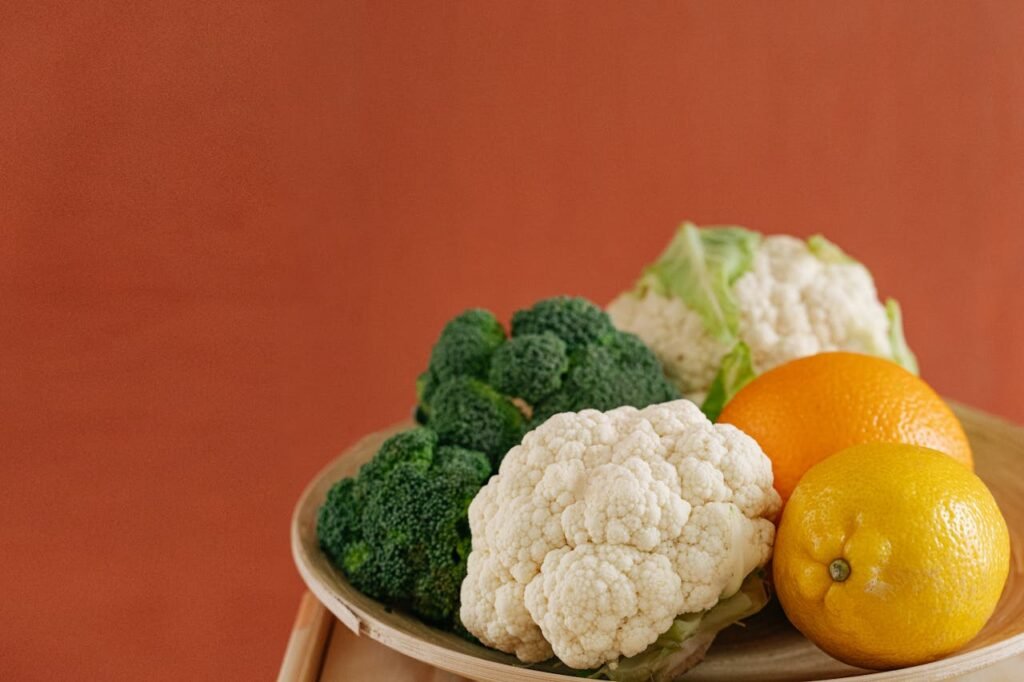
Cauliflower is incredibly versatile. It can be mashed, roasted, or even turned into “rice” as a low-carbohydrate alternative to grains.
It contains allicin, a compound also found in garlic, which is known to reduce the risk of heart attacks and strokes. Its high fibre content supports weight management, which is indirectly beneficial for heart health by reducing the strain on the cardiovascular system.
5. Bok Choy (Pak Choi)
Common in Asian cuisine, Bok Choy is a mild, tender vegetable that is rich in folate and Vitamin B6. These nutrients are vital for breaking down homocysteine in the blood.
High levels of homocysteine can damage artery linings and increase the risk of heart disease. Bok Choy is also packed with potassium and calcium. It cooks very quickly—a simple stir-fry with ginger and garlic makes for a heart-healthy side dish in minutes. The British Heart Foundation highlights the importance of diversifying your vegetable intake to include options like this.
6. Cabbage
Whether it is Savoy, red, or white, cabbage is an unsung hero of the vegetable drawer. Red cabbage, in particular, gets its vibrant colour from anthocyanins.
Anthocyanins are powerful pigments that function as antioxidants. Several studies link a high intake of anthocyanin-rich foods to lower blood pressure and a reduced risk of coronary artery disease. Furthermore, fermented cabbage (sauerkraut or kimchi) provides probiotics that support gut health, which is increasingly linked to heart health regulation.
7. Rocket (Arugula)
Rocket is a peppery leafy green often found in salad bags. It is rich in nitrates, which the body converts into nitric oxide.
Nitric oxide is a vasodilator, meaning it relaxes blood vessels and improves blood flow. This can significantly lower blood pressure and improve athletic performance. Unlike spinach, rocket is lower in oxalates, making its calcium more available for absorption.
For a deeper dive into how nitrates affect the heart, resources like Medical News Today provide extensive data on leafy green benefits.
8. Watercress
Watercress is often used as a garnish, but it should be a main event. It is one of the most nutrient-dense foods on the planet.
It contains significant amounts of dietary nitrates and antioxidants. Research published in reputable journals suggests that regular consumption of watercress can reduce DNA damage to blood cells. Its peppery kick makes it perfect for soups or sandwiches.
Scientific literature found on PubMed frequently cites watercress for its potent antioxidant capacity relative to other vegetables.
Nutritional Comparison
Understanding the specific nutritional profiles can help you tailor your diet. The table below compares key heart-healthy metrics for a standard 100g serving (raw).
| Vegetable | Fibre (g) | Vitamin K (% DV) | Key Compound | Flavour Profile |
|---|---|---|---|---|
| Broccoli | 2.6 | 116% | Sulforaphane | Earthy, crunchy |
| Brussels Sprouts | 3.8 | 195% | Kaempferol | Nutty, bitter |
| Kale | 3.6 | 684% | Quercetin | Earthy, robust |
| Cauliflower | 2.0 | 20% | Allicin | Mild, sweet |
| Bok Choy | 1.0 | 57% | Folate | Mild, watery |
| Red Cabbage | 2.1 | 48% | Anthocyanins | Peppery, crisp |
| Rocket | 1.6 | 136% | Nitrates | Peppery, sharp |
| Watercress | 0.5 | 312% | PEITC | Spicy, fresh |
Tips for Incorporating Cruciferous Veg
Even if you know they are healthy, eating these vegetables regularly can be a challenge. Here are some actionable tips:
- Do Not Overcook: Boiling these vegetables for too long destroys heat-sensitive vitamins like Vitamin C and folate. It also releases sulphur smells. Steam or roast them instead.
- Blend Them In: Add a handful of frozen kale or spinach to your morning smoothie. The fruit will mask the taste.
- Roast for Flavour: Roasting cauliflower or Brussels sprouts caramelises their natural sugars, making them sweeter and more palatable.
- Use as a Base: Swap pasta for spiralised courgette or riced cauliflower to increase fibre intake and reduce refined carbs.
According to Harvard Health, consistency is key. Aim for at least one serving a day.
Frequently Asked Questions
Do cruciferous vegetables interfere with thyroid function?
Some people worry about goitrogens, compounds that can interfere with thyroid hormone production. However, for most healthy adults, eating these vegetables in normal amounts is perfectly safe. Cooking the vegetables significantly reduces goitrogenic activity. If you have a thyroid condition, consult your GP or check guidance from Thyroid UK or similar bodies.
Can I eat them raw?
Yes, many people enjoy broccoli, cauliflower, and rocket raw. However, light cooking can make the fibre easier to digest and increases the availability of certain antioxidants. Those with IBS might find cooked vegetables gentler on the stomach, as noted by Diabetes UK.
Which is the best cooking method for heart health?
Steaming is generally considered the gold standard. It preserves water-soluble vitamins better than boiling. Microwaving with a small amount of water is also an effective method to retain nutrients.
Do supplements work as well as fresh vegetables?
While green powder supplements exist, they often lack the fibre and the complex matrix of nutrients found in whole foods. Whole vegetables provide satiety and regulate blood sugar in ways that powders cannot. Guidelines from GOV.UK emphasise whole foods over supplements.
The Bottom Line
Cruciferous vegetables are a cornerstone of a heart-healthy diet. Their unique combination of fibre, antioxidants, and glucosinolates offers protection that few other food groups can match.
From the common broccoli floret to the peppery leaf of watercress, there is a variety to suit every palate. The key to reaping the benefits is consistency and variety. By swapping a starchy side dish for roasted Brussels sprouts or adding a handful of rocket to your lunch, you are taking a definitive step towards protecting your heart.
Start small, experiment with recipes, and allow your taste buds to adapt. Your heart—and your future self—will thank you for it. For more detailed nutritional breakdowns, you can always refer to WebMD or similar databases.