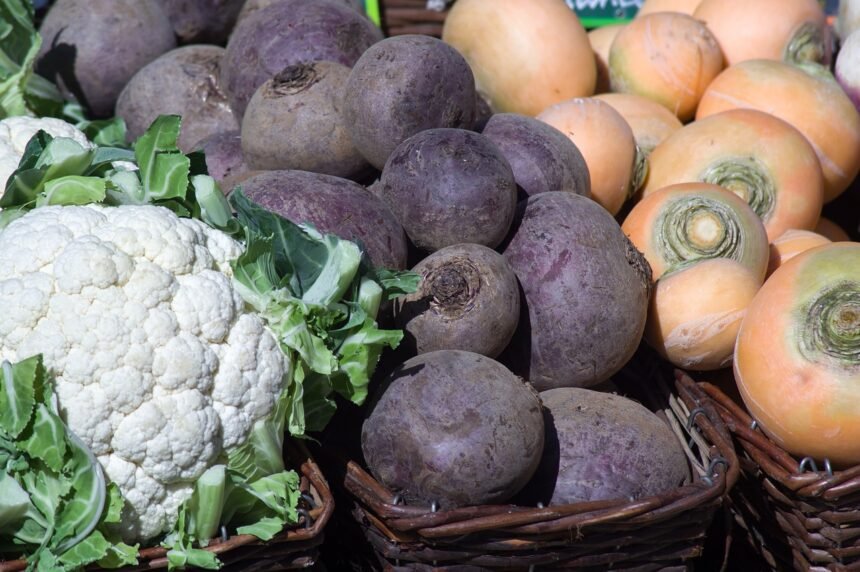
Cauliflower is a cruciferous vegetable that is naturally high in fibre and B-vitamins. It provides antioxidants and phytonutrients that can protect against cancer. It also contains fibre to enhance weight loss and digestion, choline that is essential for learning and memory, and many other important nutrients.
While it was once considered merely a side dish to be boiled and covered in cheese sauce, cauliflower has experienced a meteoric rise in popularity over the last decade. It has become a staple for those following low-carbohydrate or gluten-free diets, often used as a substitute for rice, flour, and even potatoes.
Despite its white colour, it is far from nutritionally void. It belongs to the Brassica genus of plants, making it related to broccoli, kale, and cabbage. Like its relatives, it is packed with powerful plant compounds that may reduce the risk of several heart diseases and cancers.
Here are 8 evidence-based health benefits of cauliflower.
1. Contains Many Nutrients
The nutritional profile of cauliflower is impressive. It is very low in calories but high in vitamins. In fact, cauliflower contains some of almost every vitamin and mineral that your body needs.
Here is an overview of the nutrients found in 1 cup, or 128 grams (g), of raw cauliflower:
| Nutrient | Amount | % Daily Value (DV) |
|---|---|---|
| Calories | 25 | – |
| Fibre | 3 g | 10% |
| Vitamin C | 51.6 mg | 77% |
| Vitamin K | 20 mcg | 20% |
| Vitamin B6 | 0.2 mg | 11% |
| Folate | 61 mcg | 14% |
| Pantothenic Acid | 0.7 mg | 7% |
| Potassium | 320 mg | 9% |
| Manganese | 0.2 mg | 8% |
| Magnesium | 19 mg | 4% |
According to the USDA FoodData Central, cauliflower is particularly high in Vitamin C, which acts as an antioxidant and is vital for immune function.
2. High in Fibre
Cauliflower is quite high in fibre, which is beneficial for overall health. There are 3 grams of fibre in one cup of cauliflower, which is 10% of your daily needs.
Fibre is important because it feeds the healthy bacteria in your gut that help reduce inflammation and promote digestive health. Consuming enough fibre may help prevent digestive conditions like constipation, diverticulitis, and inflammatory bowel disease (IBD).
Moreover, studies show that a diet high in fibre-rich vegetables like cauliflower is linked to a lower risk of several illnesses, including heart disease, cancer, and diabetes. Fibre helps regulate blood sugar levels, keeping them steady rather than causing spikes.
For more on the importance of dietary fibre, you can read insights from the Mayo Clinic.
3. Good Source of Antioxidants
Cauliflower is a great source of antioxidants, which protect your cells from harmful free radicals and inflammation. Similar to other cruciferous vegetables, cauliflower is particularly high in glucosinolates and isothiocyanates, two groups of antioxidants that have been shown to slow the growth of cancer cells.
In test-tube studies, glucosinolates and isothiocyanates have been shown to be particularly protective against colon, lung, breast, and prostate cancer. Cauliflower also contains carotenoid and flavonoid antioxidants, which have anti-cancer effects and may reduce the risk of several other illnesses, including heart disease.
Furthermore, it contains high amounts of vitamin C, which acts as an antioxidant. This is well-documented in research regarding oxidative stress and inflammation.
4. May Aid in Weight Loss
Cauliflower has several properties that may help with weight loss. First, it is low in calories with only 25 calories per cup, so you can eat large amounts without consuming excess calories. This makes it a perfect ‘volume food’.
Second, as a good source of fibre, cauliflower slows digestion and promotes feelings of fullness. This may automatically reduce the number of calories you eat throughout the day, an important factor in weight control.
High water content is another weight-loss-friendly aspect of cauliflower. In fact, 92% of its weight is made up of water. Consuming plenty of water-dense, low-calorie foods is associated with weight loss.
The Centers for Disease Control and Prevention (CDC) highlights the role of water and fibre in managing a healthy weight.
5. High in Choline
Cauliflower is high in choline, an essential nutrient that many people are deficient in. One cup of cauliflower contains 45 mg of choline, which is about 11% of the adequate intake for women and 8% for men.
Choline has several important functions in the body. It plays a major role in maintaining the integrity of cell membranes, synthesising DNA, and supporting metabolism.
Ideally, your body needs choline for brain development and the production of neurotransmitters that are necessary for a healthy nervous system. What’s more, it helps prevent cholesterol from accumulating in the liver. Those who do not consume enough choline may have a higher risk of liver and heart disease, as well as neurological disorders like dementia and Alzheimer’s.
More details on choline requirements can be found via the National Institutes of Health (NIH).
6. Rich in Sulforaphane
Cauliflower contains sulforaphane, an extensively studied antioxidant. Many test-tube and animal studies have found sulforaphane to be particularly helpful for suppressing cancer development by inhibiting enzymes that are involved in cancer and tumour growth.
According to some research, sulforaphane may also have the potential to stop cancer growth by destroying cells that are already damaged. Sulforaphane appears to be most protective against colon and prostate cancer but has also been studied for its effects on many other cancers, such as breast, leukaemia, pancreatic, and melanoma.
Research suggests that sulforaphane may also help reduce high blood pressure and keep arteries healthy—both major factors in preventing heart disease. The American Institute for Cancer Research provides further reading on cruciferous vegetables and cancer prevention.
7. Low-Carb Alternative to Grains and Legumes
Cauliflower is incredibly versatile and can be used to replace grains and legumes in your diet. This is not only a fantastic way to increase your veggie intake but is also especially helpful for those who follow low-carb diets.
This is because cauliflower is significantly lower in carbs than grains and legumes. For example, a cup of cauliflower contains 5 grams of carbs. At the same time, a cup of rice contains 45 grams of carbs—nine times the amount of cauliflower.
For those following a ketogenic or low-carb lifestyle, finding substitutes for bread and rice is crucial for long-term adherence. For more ideas on low-carb eating, check out this guide on Healthline.
8. Easy to Add to Your Diet
Not only is cauliflower versatile, but it is also very easy to add to your diet. You can begin by eating it raw, which requires very little preparation. You can enjoy raw cauliflower florets as a snack dipped in hummus or another healthy vegetable dip like salsa.
Cauliflower can also be cooked in a variety of ways, such as steaming, roasting, or sautéing. It makes an excellent side dish or can be combined with dishes like soups, salads, stir-fries, and casseroles.
Here are some popular ways to use it as a grain substitute:
- Cauliflower rice: Replace white or brown rice with cauliflower that has been grated and then cooked.
- Cauliflower pizza crust: By pulsing cauliflower in a food processor and making it into a dough, you can make a delicious pizza.
- Cauliflower hummus: Chickpeas can be replaced with cauliflower in hummus recipes.
- Cauliflower mash: Instead of making mashed potatoes, try making a low-carb cauliflower mash.
For heart-healthy recipes incorporating vegetables, Harvard Health offers excellent guidance.
Potential Downsides and Considerations
While cauliflower is a nutritional powerhouse, there are a few considerations for certain individuals.
Thyroid Function: Cauliflower contains goitrogens, which are compounds that may interfere with the thyroid gland’s uptake of iodine. If you have an iodine deficiency or an existing thyroid condition, eating large amounts of raw cauliflower might be problematic. However, cooking the vegetable typically deactivates these enzymes.
Digestion and Gas: As a cruciferous vegetable high in fibre and complex carbohydrates (specifically raffinose), cauliflower can cause bloating and gas in some people. It is considered a high-FODMAP food. If you suffer from Irritable Bowel Syndrome (IBS), you may need to moderate your intake.
Blood Thinners: Because cauliflower is high in Vitamin K, eating large quantities can interact with blood-thinning medications like Warfarin. Vitamin K helps blood clot, so sudden changes in your intake can impact how these medications work.
For more on digestive health and cruciferous vegetables, visit Medical News Today.
Additionally, information regarding thyroid health can be found at the British Thyroid Foundation.
The Bottom Line
Cauliflower provides some powerful health benefits. It is a great source of nutrients, including a few that many people need more of.
Plus, it contains unique antioxidants that may reduce inflammation and protect against several illnesses, such as cancer and heart disease. What’s more, cauliflower is easy to add to your diet. It is tasty, easy to prepare, and can replace high-carb foods in several recipes.
Including this cruciferous vegetable in your diet is a brilliant way to boost your intake of vitamins, minerals, and fibre, supporting overall health and well-being.