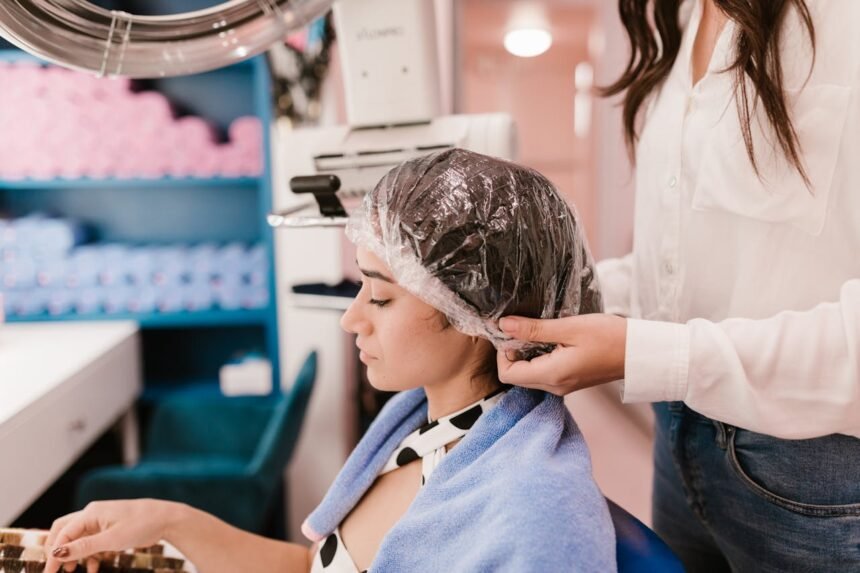
We all desire that “just stepped out of a salon” look—hair that is shiny, bouncy, and undeniably healthy. Yet, despite investing in high-end serums and following the latest trends, many of us find our hair looking lackluster, frizzy, or prone to breakage. Often, the culprit isn’t the product we are missing, but the habits we are keeping.
Understanding the biology of hair is crucial. Your hair is primarily composed of a protein called keratin, protected by an outer layer known as the cuticle. When this structure is compromised, hair health deteriorates. By identifying and rectifying common hair care mistakes to avoid, you can transform the integrity of your hair from root to tip.
In this comprehensive guide, we will delve into the science of hair care, exposing seven prevalent errors that might be sabotaging your luscious locks and offering professional, actionable solutions.
1. The Shampoo Strategy: Over-Washing (or Under-Washing)
Finding the perfect balance for washing your hair is one of the most difficult aspects of hair care. It is a biological balancing act involving sebum—the natural oil produced by your scalp to protect and moisturize the hair.
The Mistake
Many people stick to a rigid daily washing schedule regardless of their hair type. Washing too frequently strips the scalp of natural oils, prompting the sebaceous glands to overcompensate by producing more oil, leading to a greasy cycle. Conversely, under-washing can lead to product buildup and clogged follicles, which may impede healthy hair growth.
The Science
According to the American Academy of Dermatology (AAD), how often you wash your hair should depend on how much oil your scalp produces. Straight hair tends to wick oil down the shaft faster than curly hair, often requiring more frequent washing.
The Fix
- For Oily Scalps: Wash daily or every other day using a gentle, clarifying shampoo.
- For Dry/Curly Hair: Wash 1-2 times a week. Rely on the natural travel of sebum to moisturize the ends.
- Listen to Your Hair: Adjust your schedule based on your activity level and the season.
2. Incorrect Shampooing Application
Believe it or not, there is a right and a wrong way to apply shampoo. Many of us have been taught to pile hair on top of our heads and scrub vigorously, but this is a major cause of tangling and friction damage.
The Mistake
Applying shampoo to the lengths of your hair rather than the scalp is one of the most common hair care mistakes to avoid. The ends of your hair are the oldest and most fragile; scrubbing them with surfactants can dry them out excessively.
The Fix
Focus your shampoo efforts solely on the scalp. As you rinse, the suds will flow down the length of the hair, effectively cleansing the ends without the need for harsh scrubbing. As noted by experts at Johns Hopkins Medicine, gentle handling is key to preventing traction alopecia and breakage.
3. Skipping Heat Protection
Heat styling tools like flat irons, curling wands, and blow dryers can reach temperatures of up to 450°F (232°C). Applying this heat directly to naked hair is equivalent to ironing silk without a protective cloth.
The Mistake
Many individuals believe that if they don’t see immediate burning, no damage is done. However, high heat causes the water inside the hair shaft to expand rapidly, damaging the keratin structure. This phenomenon, often referred to as “bubble hair,” leads to weak, brittle strands.
The Fix
Always use a thermal protectant spray or serum. These products contain ingredients like cyclomethicone and dimethicone that form a barrier over the cuticle. Furthermore, try to keep your tools below 350°F. The Cleveland Clinic emphasizes that minimizing heat exposure is vital for long-term hair integrity.
4. Aggressive Towel Drying
Stepping out of the shower and immediately rubbing your hair vigorously with a thick cotton towel is a habit ingrained in many of us from childhood. Unfortunately, it is also one of the most damaging.
The Mistake
Hair is at its weakest when it is wet. The hydrogen bonds that give hair its strength are temporarily broken by water. Rough towel drying roughens up the cuticle (the shingle-like outer layer), leading to frizz and breakage.
Comparison: Hair Drying Methodologies
Below is a breakdown of how different drying techniques impact the health of your hair cuticle.
| Drying Method | Friction Level | Risk of Damage | Best For |
|---|---|---|---|
| Rough Cotton Towel | High | High (Breakage & Frizz) | No hair type |
| Air Drying | None | Low (Hygral Fatigue risk if too long) | Short to Medium hair |
| Microfiber Towel | Low | Low | Curly & Wavy hair |
| T-Shirt Blotting | Low | Low | Fine & Fragile hair |
| Blow Dry (High Heat) | N/A (Heat damage) | High (Protein Denaturation) | Styling efficiency |
The Fix
Switch to a microfiber towel or an old soft cotton t-shirt. Instead of rubbing, use a “blotting” or “squeezing” motion to remove excess water. This technique, often called “plopping” in the curly hair community, preserves the cuticle alignment.
5. Neglecting the Scalp
We often treat hair care as fiber care, forgetting that the foundation of healthy hair is the skin it grows from. A healthy scalp is a prerequisite for healthy hair growth.
The Mistake
Ignoring scalp health until there is a problem (like dandruff or itchiness). Product buildup, dead skin cells, and sweat can clog hair follicles, potentially leading to folliculitis or hair thinning. According to Healthline, a neglected scalp can impede the hair growth cycle.
The Fix
- Exfoliate: Use a scalp scrub once or twice a month to remove buildup.
- Massage: Regular scalp massages increase blood circulation, delivering oxygen and nutrients to the hair follicle.
- Monitor Ingredients: Be wary of heavy silicones that can suffocate the scalp.
6. Brushing Wet Hair with the Wrong Tool
As mentioned earlier, wet hair is elastic and fragile. When you pull a brush through wet hair, you are essentially stretching a rubber band to its snapping point.
The Mistake
Using a fine-tooth comb or a dense bristle brush on soaking wet hair creates excessive tension. If you hear a ripping sound while detangling, you are causing mechanical damage that cannot be repaired, only cut off.
The Fix
If you must detangle while wet, apply a leave-in conditioner or detangler first to provide slip. Use a wide-tooth comb or a brush specifically designed for wet hair (with flexible bristles).
Research from the National Center for Biotechnology Information (NCBI) suggests that lubrication is critical in reducing the friction coefficient during combing, thereby preserving the hair shaft.
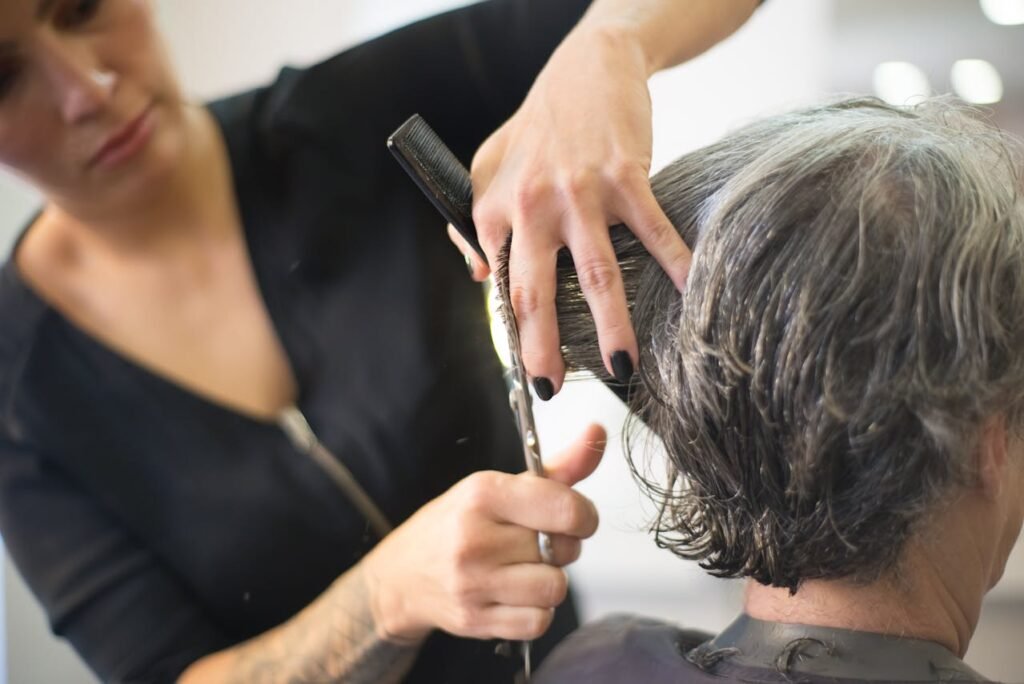
7. Skipping Regular Trims
There is a prevailing myth that cutting hair makes it grow faster. While cutting the ends doesn’t affect the follicle at the root, skipping trims is counterproductive to length retention.
The Mistake
Trying to “save length” by avoiding the salon. When hair ends split, the damage doesn’t stay put. If left untreated, the split can travel up the hair shaft, causing the strand to break off higher up. This results in thin, straggly ends and actually makes your hair look shorter and thinner over time.
The Fix
Aim for a “micro-trim” or “dusting” every 8 to 12 weeks. This removes the damaged ends before they can compromise the rest of the strand. Resources like WebMD confirm that regular maintenance is the secret to retaining length and volume.
Bonus: Ignoring Water Quality
While not a technique error, ignoring the water you wash with is a critical oversight. Hard water contains high levels of calcium and magnesium, which can react with shampoo to form a scummy residue on the hair, making it dry and unmanageable. The U.S. Geological Survey (USGS) provides data on water hardness levels across the country, which can help you determine if you need a shower filter or a chelating shampoo.
Conclusion
Achieving the hair of your dreams is rarely about a single miracle product; it is about consistency and care. By addressing these common hair care mistakes to avoid, you shift from a cycle of damage control to a routine of proactive health.
Remember to treat your scalp like your face, handle wet hair like fine silk, and respect the power of heat. Small changes in your daily routine—like swapping your towel or lowering your blow dryer temperature—can yield massive results over time.
Ready to transform your hair health? Start by auditing your current routine against this list. Choose one habit to change this week, and observe how your hair responds. For more in-depth information on cosmetic safety and ingredients, you can always refer to the FDA’s guide on hair products.
Disclaimer: This article provides general information and is not a substitute for professional medical advice. If you are experiencing severe hair loss or scalp conditions, please consult a dermatologist or trichologist.