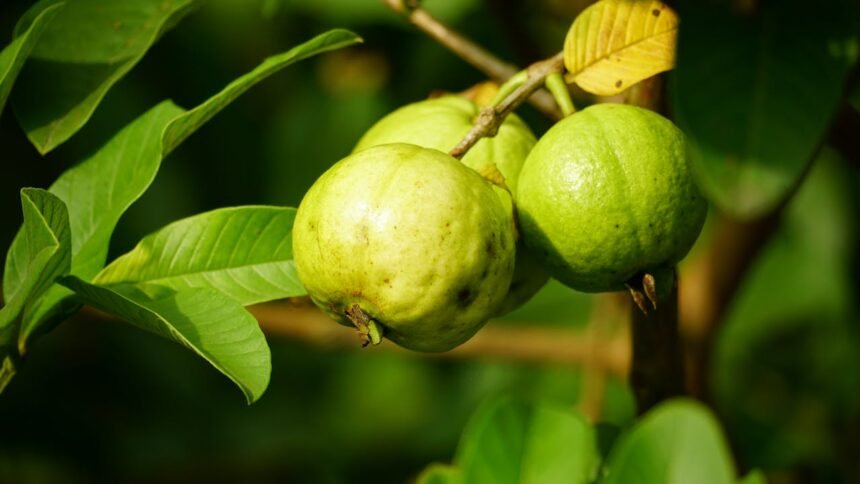
Guava is often hailed as a tropical superfood, celebrated for its unique flavour and impressive nutritional profile. Whether you are browsing the exotic fruit aisle or scanning the juice shelves at your local supermarket, you might find yourself wondering which option is truly best for your health. We all strive to make better dietary choices, but the conflicting information surrounding fruit juices versus whole fruits can be confusing.
Many of us turn to fruit juice as a convenient way to boost our vitamin intake, especially during busy mornings. However, nutritional experts consistently highlight significant differences between drinking your fruit and eating it. Understanding these nuances is essential for managing blood sugar, maintaining gut health, and achieving your wellness goals.
In this article, we will explore the detailed comparison between guava juice and whole guava. We will break down the scientific evidence, analyse the impact on your body, and provide actionable advice to help you decide which form belongs in your daily diet.
What Are the Nutritional Differences?
To understand whether guava juice or whole guava is better, we must first look at what makes this fruit so special. Guava is a nutritional powerhouse, packed with vitamins, minerals, and antioxidants. However, the way you consume it dramatically alters what your body absorbs.
Whole guava is rich in dietary fibre, particularly pectin, which is beneficial for digestion. It also contains significantly higher levels of Vitamin C than oranges. When you eat the fruit whole, you are consuming the skin, flesh, and seeds, all of which contribute to a complex matrix of nutrients that work together synergistically.
Conversely, guava juice often undergoes processing that removes the solid matter. While it retains some vitamins, the extraction process strips away most of the fibre. Furthermore, many commercial guava juices found in UK supermarkets contain added sugars, preservatives, or are diluted with other juices like apple or grape to make them more palatable.
This fundamental difference in composition—specifically the presence or absence of fibre—changes how your body metabolises the calories and sugars found in the fruit. This distinction is at the heart of the current 5 A Day guidelines provided by the NHS, which limit fruit juice to a small daily portion.
Analysing the Health Impacts
When choosing between the whole fruit and the liquid version, several key factors come into play. Here is a detailed breakdown of how they compare regarding specific health metrics.
1. The Crucial Role of Fibre
Fibre is arguably the most significant casualty in the juicing process. A single whole guava can provide a substantial portion of your daily recommended fibre intake. This dietary fibre is essential for maintaining a healthy digestive system, preventing constipation, and feeding the beneficial bacteria in your gut.
When you drink guava juice, this fibre is mechanically removed. Without fibre to slow down digestion, the liquid passes through the stomach rapidly. This leads to less satiety, meaning you are likely to feel hungry again much sooner compared to eating the whole fruit, which requires chewing and takes longer to digest.
2. Blood Sugar and Insulin Response
For individuals monitoring their blood glucose, the form of fruit matters immensely. Whole guava has a low to medium glycaemic index (GI). The fibre creates a physical barrier in the intestines, slowing the absorption of fructose into the bloodstream. This results in a gradual rise in energy rather than a sharp spike.
In contrast, fruit juice contains what are known as free sugars. Because there is no fibre to buffer the sugar, drinking guava juice can cause a rapid surge in blood glucose levels. This is a primary concern highlighted by Diabetes UK, as frequent spikes can contribute to insulin resistance over time.
3. Vitamin C Retention
Guava is famous for its immune-boosting properties, largely due to its massive Vitamin C content. While both the juice and the fruit contain this vital nutrient, the whole fruit is generally superior. Vitamin C is sensitive to heat and light.
Pasteurisation, a heat treatment used to extend the shelf life of commercial juices, can degrade a portion of the natural Vitamin C. Additionally, the longer juice sits in a carton or bottle, the more its antioxidant potency diminishes. Eating a fresh guava ensures you are getting the maximum available nutrient density.
4. Additives and Caloric Density
It is easy to overconsume calories when drinking them. You might struggle to eat three whole guavas in one sitting, but you could easily drink the juice equivalent of three guavas in less than a minute. This lack of physical fullness can lead to an inadvertent calorie surplus.
Furthermore, strict food labelling standards in the UK require manufacturers to list ingredients, yet many consumers miss the hidden extras. Some “guava nectar” products contain as little as 25% actual fruit puree, with the rest being water, high-fructose corn syrup, and flavourings. The whole fruit contains zero added ingredients—it is just pure nature.
Comparison: Whole Guava vs. Guava Juice
The table below illustrates the typical differences between 100g of fresh raw guava and 100ml of sweetened commercial guava nectar.
| Nutrient / Factor | Whole Guava (100g) | Guava Nectar (100ml) |
|---|---|---|
| Calories | ~68 kcal | ~55-70 kcal |
| Fibre | 5.4g (High) | <0.5g (Negligible) |
| Sugar | ~9g (Natural) | ~13-15g (Often Added) |
| Vitamin C | ~228mg | ~40mg (Varies by brand) |
| Satiety | High | Low |
| Glycaemic Impact | Low/Moderate | High |
| Processing | None | Pasteurised/Filtered |
Tips for Maximising Benefits
If you love the taste of guava but want to ensure you are prioritising your health, consider these actionable strategies.
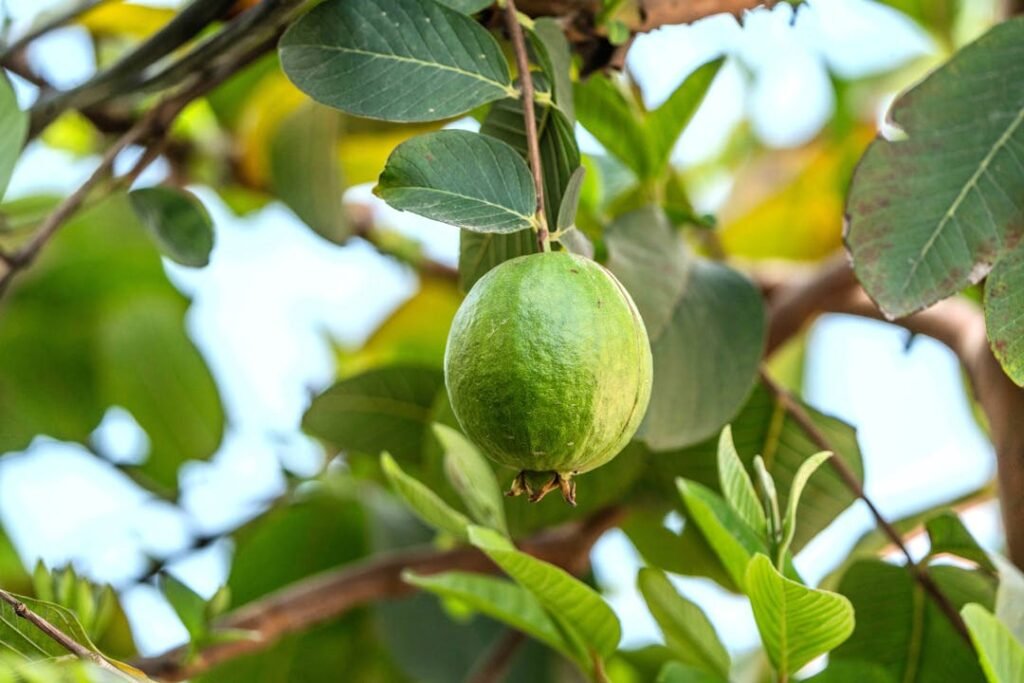
- Prioritise the Whole Fruit: Whenever possible, choose fresh guava. Wash the skin thoroughly and eat it raw. The skin contains even higher concentrations of antioxidants than the flesh.
- Read Labels Rigorously: If you must buy juice, look for “100% juice” with “no added sugar.” Be wary of terms like “drink,” “cocktail,” or “nectar,” as these usually indicate added sweeteners and water.
- Watch Your Portion Sizes: The British Heart Foundation recommends limiting fruit juice to 150ml per day. This small glass counts as a maximum of one portion of your 5 A Day, regardless of how much you drink.
- Blend, Don’t Juice: Consider making a smoothie instead of buying juice. Blending the whole guava retains the pulp and fibre. You can mix it with water or milk to achieve a drinkable consistency without losing the digestive benefits.
- Pair with Protein: If you drink guava juice, consume it alongside a meal containing protein and healthy fats (like nuts or yoghurt). This helps to blunt the sugar spike.
Frequently Asked Questions
Is guava juice good for weight loss?
Generally, whole guava is better for sustainable weight management. The high fibre content keeps you fuller for longer. Liquid calories from juice do not trigger the same satiety signals in the brain, making it easier to overeat later in the day.
Can I drink guava juice if I have diabetes?
People with diabetes should exercise caution with fruit juices. The rapid absorption of sugar can cause undesirable blood glucose fluctuations. Consulting a registered dietitian is recommended, but generally, eating the whole fruit in moderation is safer than drinking the juice.
Does guava juice have the same antioxidants as the fruit?
Not exactly. While juice retains some antioxidants, processing can reduce their efficacy. Studies on antioxidant capacity often show that fresh, unprocessed plant foods retain higher levels of phytochemicals compared to their processed liquid counterparts.
Is it safe to eat guava seeds?
Yes, the seeds are edible and contribute to the total fibre content. However, they are quite hard. If you have sensitive teeth or digestive issues like diverticulitis, you may prefer to scoop them out or blend them thoroughly in a smoothie.
The Bottom Line
When it comes to the battle between guava juice and whole guava, the whole fruit is the clear winner for overall health. Its superior fibre content, lower impact on blood sugar, and higher retention of heat-sensitive Vitamin C make it the optimal choice for your daily diet.
Guava juice can still be a refreshing treat and is certainly a better alternative to fizzy sodas. However, it should be viewed as an occasional indulgence rather than a primary source of nutrition. By prioritising the whole fruit, you ensure your body receives the full spectrum of benefits nature intended, supporting everything from digestion to immune function.
Remember, small changes in how you consume fruit can lead to significant long-term improvements in your well-being. Next time you crave that tropical flavour, reach for the fresh fruit first.