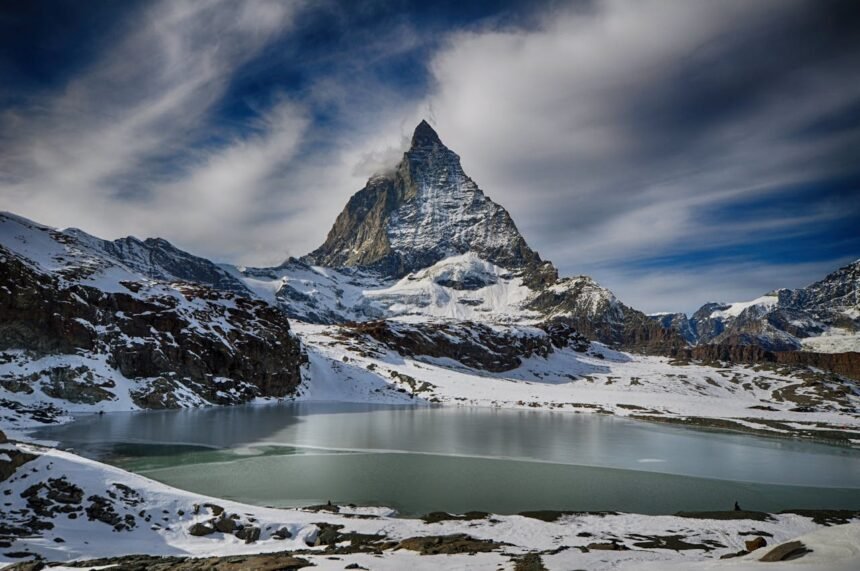
Switzerland is renowned globally for its pristine landscapes, dramatic peaks, and efficient travel infrastructure. However, for the discerning traveller seeking true solitude, the popular trails near Zermatt or Grindelwald can often feel somewhat overcrowded during the peak summer months. To experience the authentic silence of the Alps, one must venture further afield, seeking out remote accommodation options that require effort, patience, and a spirit of adventure to reach. These hidden sanctuaries offer a unique connection to nature that is increasingly rare in our modern world.
Finding secluded mountain huts in Switzerland involves looking beyond the standard tourist brochures. It requires identifying regions where the hiking paths are steeper and the cable cars are non-existent. The Swiss Alpine Club (SAC) maintains over 150 huts, yet many remain largely unknown to the average holidaymaker. This guide aims to assist you in discovering these isolated gems, ensuring your next Swiss hiking holiday is defined by tranquillity rather than queues. We shall explore four distinct regions, detailing the most secluded retreats available to the public.
The Bernese Oberland: Beyond the Tourist Trail
While the Bernese Oberland is famous for the Jungfrau Region, vast swathes of this canton remain wild and untouched. If you wish to escape the bustling tourist centres, you must head towards the Gauli Glacier region. This area is notoriously difficult to access, which naturally filters out casual day-trippers, leaving the landscape free for serious hikers.
The Gauli Hut (Gaulihütte)
Situated at 2,205 metres above sea level, the Gauli Hut is a prime example of high-altitude isolation. The approach involves a demanding hike from the Urbachtal valley, taking approximately four to five hours. Unlike the heavily trafficked huts near the Eiger, the Gauli Hut sits in a rugged amphitheatre of rock and ice. It is particularly famous for the nearby crash site of a Dakota aircraft from 1946, which emerges from the glacier during hot summers. The hut itself is rustic yet comfortable, offering a warm atmosphere where hikers share tales over hearty Swiss meals. For detailed route planning, the British Mountaineering Council offers excellent resources on Alpine grades and preparation.
The Trifthütte
Another exceptional location in this region is the Trifthütte. Although the Trift Bridge—a spectacular suspension bridge—draws visitors, few venture as far as the hut itself. The ascent requires crossing the glacier, necessitating alpine experience or a mountain guide. The reward is a night spent at 2,520 metres, surrounded by granite peaks and glacial silence. It is a stark contrast to the valley floor, offering an immersive experience in the high alpine environment. For more insights on such locations, The Guardian Travel frequently features articles on off-the-beaten-track Swiss destinations.
Valais: High Altitude Solitude
The canton of Valais is home to the highest peaks in Switzerland. While Zermatt attracts the masses, the side valleys offer some of the most secluded mountain huts in Switzerland. Here, the elevation is higher, the air is thinner, and the isolation is profound. This region is ideal for those who are physically fit and acclimatised to high altitudes.
Cabane de la Dent Blanche
Perched precariously at 3,507 metres, the Cabane de la Dent Blanche is not for the faint-hearted. It serves as the starting point for climbing the Dent Blanche, yet it functions as a destination in itself for ambitious hikers. The approach is long and arduous, ensuring that only the most dedicated reach its doorstep. The views from the terrace are arguably some of the finest in the Alps, stretching across the Pennine chain. The accommodation is basic but sufficient, emphasising the raw beauty of the surroundings rather than luxury.
Cabane de Chanrion
Located in the remote Upper Val de Bagnes, south of the Mauvoisin Dam, the Cabane de Chanrion offers a different type of seclusion. It sits on a high plateau, surrounded by protected flora and fauna. The area is a designated wildlife sanctuary, meaning you are more likely to see ibex and chamois than other hikers. The hike is lengthy but technically less demanding than the Dent Blanche approach, making it accessible to strong walkers. BBC Travel often highlights the importance of such protected areas for sustainable tourism.
Graubünden: The Wild East
Graubünden is Switzerland’s largest canton and arguably its wildest. The valleys here are deep, the dialects distinct, and the huts incredibly remote. This is the land of the ibex, where nature dictates the pace of life. The architecture of the huts here often reflects the local Romansh culture, utilizing stone and wood to blend seamlessly into the environment.
Chamanna d’Es-cha
Situated near the Albula Pass, the Chamanna d’Es-cha looks like a fortress clinging to the mountainside. Built in a traditional style, it offers a gateway to the Kesch Trek, a multi-day hike that remains relatively quiet compared to the Haute Route. The hut features a stunning barrel-vaulted ceiling in the dining room, a unique architectural detail. The panoramic view encompasses the Bernina massif, yet the location remains peaceful and uncrowded. The Telegraph Travel section provides excellent itineraries for exploring this eastern region.
Terrihütte (Camona da Terri)
Located on the Greina Plateau, a high alpine tundra that was almost flooded for a hydroelectric dam project, the Terrihütte is a testament to conservation. The plateau is a landscape of stark beauty, resembling the Scottish Highlands but on a grander scale. Access is only possible on foot, taking roughly three to four hours from the nearest road. The isolation here is palpable, with the vast, open plateau offering a sense of freedom that is hard to find elsewhere. Resources from Rough Guides can help you navigate the specific transport logistics for this remote area.
Practical Planning and Logistics
Visiting the most secluded mountain huts in Switzerland requires meticulous planning. Unlike hotels, these huts require reservations well in advance, even if they are remote. The season is short, typically running from late June to September. Outside of these months, the huts are either closed or only offer a ‘winter room’ with no staff or provisions.
Membership and Booking
Most remote huts are operated by the Swiss Alpine Club. While they are open to the public, members receive significant discounts. Interestingly, members of the British Mountaineering Council (BMC) often enjoy reciprocal rights, obtaining the same discounts as Swiss members. It is advisable to check the specific reciprocity agreements before travelling. Booking is almost exclusively done online via the SAC website or by telephone. For broader travel context, Lonely Planet guides offer comprehensive details on Swiss transport and accommodation logistics.
Essential Gear
When heading to secluded huts, self-sufficiency is key. You must carry a sleeping bag liner (silk or cotton) as huts provide blankets but not sheets. Earplugs are essential for communal dormitories. Furthermore, cash is king; many remote huts do not have reliable internet for card machines. Bringing a physical map is also crucial, as mobile signals are often non-existent in these deep valleys. Wanderlust Magazine frequently publishes gear lists suitable for such alpine expeditions.
| Region | Hut Name | Altitude | Hiking Difficulty | Primary Feature |
|---|---|---|---|---|
| Bernese Oberland | Gauli Hut | 2,205m | High (Glacial terrain) | Historic crash site nearby |
| Bernese Oberland | Trifthütte | 2,520m | Very High (Alpine) | Glacier views, suspension bridge |
| Valais | Dent Blanche | 3,507m | Extreme (Technical) | Highest altitude isolation |
| Valais | Cabane de Chanrion | 2,462m | Moderate (Long distance) | Wildlife sanctuary, protected area |
| Graubünden | Chamanna d’Es-cha | 2,594m | Moderate | Traditional architecture, Kesch Trek |
| Graubünden | Terrihütte | 2,170m | Moderate | Greina Plateau, tundra landscape |
Frequently Asked Questions
Do these remote huts have running water and electricity?
Most secluded huts have cold running water, but hot showers are a luxury and often unavailable. Electricity is usually solar-powered and limited; you may be able to charge a phone, but do not rely on it. Lighting is often efficient, but headtorches remain essential for navigating at night.
Do I need a mountain guide to reach these huts?
For huts like the Gauli or Chanrion, a guide is not strictly necessary if you are an experienced hiker with good navigation skills. However, for high-altitude destinations like the Trifthütte or Dent Blanche, where glacier crossings are involved, hiring a certified guide is strongly recommended for safety. The International Climbing and Mountaineering Federation provides safety standards relevant to these treks.
What is the food like in secluded huts?
Despite the remote locations, the food is surprisingly good. Hut wardens take pride in serving hearty, caloric meals such as Rösti, pasta, or stew to refuel hikers. Breakfast is typically simple bread and jam. Dietary requirements should always be communicated in advance when booking.
Conclusion
Switzerland offers far more than chocolate box villages and crowded ski resorts. By making the effort to seek out the most secluded mountain huts in Switzerland, you unlock a side of the Alps that is timeless and majestic. Whether it is the glacial silence of the Bernese Oberland or the wild tundra of Graubünden, these sanctuaries offer a restorative escape from the noise of modern life. With careful preparation and a respect for the mountain environment, a night spent in these remote outposts will undoubtedly become the highlight of your travels. Check Visit Switzerland for the latest weather updates before you go.