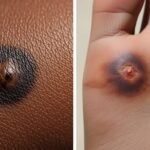
Discovering a new bump, sore, or unusual mole on your body can be a source of anxiety. It is natural to feel concerned when you notice changes to your skin, particularly in areas that are difficult to see, such as the top of your head.
While we often diligently check our arms, legs, and faces for signs of sun damage, the scalp is frequently overlooked. However, the skin beneath your hair is just as susceptible to damage as the rest of your body.
Yes, you can get skin cancer on your scalp. In fact, because the scalp is the highest point of the body, it often receives the most direct ultraviolet (UV) radiation from the sun. Unfortunately, hair can obscure early warning signs, meaning conditions here are sometimes detected at a later stage.
This article explores the types of skin cancer that can affect the scalp, the specific symptoms to watch for, and practical steps you can take to protect this sensitive area.
What is Scalp Skin Cancer? A Comprehensive Overview
Skin cancer on the scalp occurs when skin cells in the area begin to grow abnormally. This is predominantly caused by exposure to UV light, either from natural sunlight or artificial sources like tanning beds.
Because the scalp is highly vascular (rich in blood vessels) and close to the brain and lymph nodes in the neck, detecting issues here early is crucial for successful treatment.
There are three main types of skin cancer that commonly appear on the scalp:
1. Basal Cell Carcinoma (BCC)
This is the most common form of skin cancer. On the scalp, it often appears as a shiny, pearly bump or a flesh-coloured patch. It tends to grow slowly and rarely spreads to other parts of the body, but it can cause significant local damage if left untreated.
2. Squamous Cell Carcinoma (SCC)
SCC is the second most common type and is more likely to spread than BCC. It often manifests as a scaly red patch, an open sore, or a raised growth with a central depression. It can be tender to the touch.
3. Melanoma
Though less common than BCC and SCC, melanoma is the most dangerous form of skin cancer. It develops in the melanocytes (pigment-producing cells). On the scalp, melanoma can be particularly aggressive because the rich blood supply may facilitate faster spread to internal organs.
According to data from Cancer Research UK, incidence rates of melanoma skin cancer have reached an all-time high, highlighting the importance of vigilance across all areas of the body, including the scalp.
Signs, Symptoms, and Actionable Steps
Detecting skin cancer on the scalp can be challenging due to hair coverage. However, knowing what to look for can empower you to spot changes early.
The ‘Ugly Duckling’ Sign
Dermatologists often refer to the “Ugly Duckling” sign. This premise suggests that most moles on your body typically resemble one another. If you have a lesion on your scalp that looks significantly different from your other moles, it should be investigated immediately.
The ABCDE Rule
When examining pigmented lesions or moles on your scalp, use the ABCDE checklist:
- Asymmetry: One half of the mole does not match the other half.
- Border: The edges are irregular, ragged, notched, or blurred.
- Colour: The colour is not uniform. It may include shades of brown, black, tan, or even patches of pink, red, white, or blue.
- Diameter: The spot is larger than 6mm (roughly the size of a pencil eraser), though melanomas can be smaller.
- Evolving: The mole is changing in size, shape, or colour over time.
Other Warning Signs
Apart from moles, look out for these specific textures and sensations:
- Persistent Sores: A sore that bleeds, oozes, or crusts over and does not heal within four weeks.
- Raised Bumps: Shiny, pink, red, or pearly white bumps.
- Scaly Patches: Rough, red patches that may crust or bleed.
- Sensation: Itchiness, tenderness, or pain in a specific area of the scalp.
For more detailed visual guides, the NHS provides extensive resources on identifying different skin abnormalities.
Risk Factors and Causes
Understanding your risk profile is the first step in prevention. While anyone can develop skin cancer, certain factors increase your likelihood.
Ultraviolet (UV) Exposure
The primary cause of scalp cancer is UV radiation. Over time, cumulative sun exposure damages the DNA in skin cells. The scalp often burns without us realising it, especially along the parting or crown.
Hair Thinning and Alopecia
Individuals with thinning hair, receding hairlines, or baldness are at a significantly higher risk. Without the natural protection of thick hair, the scalp skin is exposed to direct sunlight.
Skin Type
Those with fair skin, freckles, light eyes (blue or green), and naturally red or blonde hair have less melanin to protect against UV damage. However, people with darker skin tones can still develop skin cancer, and it is often diagnosed later in these groups.
History of Sunburns
Experiencing blistering sunburns, particularly during childhood or adolescence, dramatically increases the risk of developing melanoma later in life.

Diagnosis and Treatment Options
If you find a suspicious spot, your General Practitioner (GP) will examine it. They may refer you to a dermatologist for further investigation.
Diagnostic Procedures
- Dermatoscopy: A specialist uses a handheld device (dermatoscope) to magnify the skin and see structures invisible to the naked eye.
- Biopsy: If a lesion looks suspicious, a small sample of tissue will be removed and sent to a laboratory for analysis.
Treatment Modalities
Treatment depends on the type, size, and stage of the cancer.
- Excision: The surgeon cuts out the tumour and a margin of healthy skin around it to ensure all cancerous cells are removed.
- Mohs Micrographic Surgery: This is often the gold standard for scalp cancers. The surgeon removes the cancer layer by layer, examining each under a microscope immediately. This preserves as much healthy tissue as possible, which is crucial for the scalp where skin tension is high. You can read more about Mohs surgery at the Skin Cancer Foundation.
- Radiotherapy: High-energy waves are used to kill cancer cells if surgery isn’t suitable.
- Immunotherapy: Medications that help your immune system fight the cancer, typically used for advanced melanoma.
Comparison of Scalp Skin Cancer Types
The following table outlines the key differences between the major types of skin cancer you might encounter on the scalp.
| Feature | Basal Cell Carcinoma (BCC) | Squamous Cell Carcinoma (SCC) | Melanoma |
|---|---|---|---|
| Appearance | Pearly, waxy bump; often flesh-coloured or pink. | Scaly, red patch; may have a crust or central sore. | Irregular mole; mixed colours (black, brown, tan). |
| Growth Rate | Slow-growing. | Moderate growth rate. | Can grow and spread rapidly. |
| Metastasis Risk | Very Low. | Moderate (can spread to lymph nodes). | High (can spread to organs). |
| Common Sensation | Usually painless, may bleed after shaving or brushing. | Often tender or painful to touch. | May itch or bleed. |
| Primary Cause | Cumulative sun exposure. | Cumulative sun exposure. | Intense, intermittent sun exposure (burns). |
Practical Prevention Tips for the Scalp
Protecting your scalp requires specific strategies different from the rest of your body.
1. Wear a Hat
The most effective barrier is a hat. Choose a wide-brimmed hat (at least 3 inches) that shades the scalp, face, neck, and ears. Baseball caps leave the ears and neck exposed, so they are less effective.
2. Use Scalp-Specific Sunscreen
Applying traditional creams to the scalp can be messy. Opt for:
- Mist Sprays: Lightweight sprays that penetrate through hair to the scalp.
- Powder Sunscreens: These can double as a dry shampoo and provide SPF protection.
- Stick Applicators: Useful for partings and hairlines.
Ensure the product offers broad-spectrum protection (UVA and UVB) with an SPF of at least 30. The British Skin Foundation recommends high SPF for all exposed skin.
3. Seek Shade
Limit your time in direct sunlight when UV rays are strongest, typically between 11 am and 3 pm in the UK.
Frequently Asked Questions
Does dying my hair cause scalp cancer?
Currently, there is no conclusive evidence linking hair dye directly to scalp skin cancer. However, chemicals in hair dye can cause allergic reactions or irritation. The primary risk factor remains UV exposure. For safety guidelines on cosmetics, you can consult sources like Gov.uk’s product safety regulations.
Can a hairdresser spot skin cancer?
Yes. Hairdressers and barbers are often the first to notice abnormal changes on the scalp because they view it from angles you cannot see. Many professionals are now trained to spot suspicious lesions. If your stylist mentions a spot, take their advice and see a GP.
Is skin cancer on the scalp always fatal?
No. Most skin cancers, particularly BCC and SCC, have a very high cure rate if detected early. Melanoma is more serious but is also highly treatable when caught in the early stages. The Macmillan Cancer Support website offers excellent statistics and support regarding prognosis.
Will treatment cause permanent hair loss?
Surgical removal of a tumour will leave a scar, and hair follicles in the scar tissue will not grow back. However, skilled surgeons can often close wounds in a way that minimises visible bald spots. If large areas are removed, reconstructive surgery or skin grafts may be required.
Can I just feel for bumps?
While feeling for bumps is good, it is not enough. Early skin cancers can be flat. Visual inspection is necessary. Use a handheld mirror in front of a bathroom mirror, or ask a partner or family member to check through your hair for you.
The Bottom Line
Skin cancer on the scalp is a genuine health risk that deserves your attention. The combination of high UV exposure and the concealing nature of hair can make the scalp a dangerous location for undetected malignancies like melanoma.
Prioritise your health by wearing a hat when outdoors and performing regular self-exams. Don’t be afraid to ask a partner to check the top of your head or to ask your hairdresser if they notice anything unusual.
If you discover a changing mole, a sore that won’t heal, or a new lump, do not delay. See your GP immediately. Early detection is the most powerful tool available, significantly improving treatment outcomes and survival rates. Taking five minutes to check your scalp today could save your life.
For more clinical guidelines and support, reputable sources like the British Association of Dermatologists and the American Academy of Dermatology provide invaluable, evidence-based information.