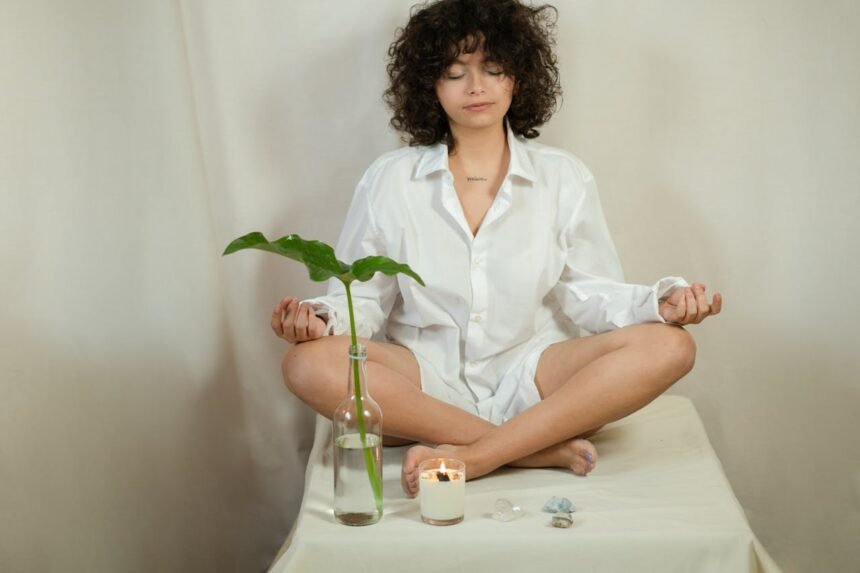
Starting a yoga practice can feel intimidating. Between the complex Sanskrit names, the gravity-defying poses on social media, and the thought of stepping into a crowded studio, many beginners feel overwhelmed before they even unroll a mat. However, the ancient practice of Hatha yoga offers a gentle, accessible, and scientifically validated entry point into physical and mental wellness—right from the comfort of your living room.
Hatha yoga is often described as the foundation of all physical yoga styles. It focuses on static poses (asanas) and breath control (pranayama) to align the body, calm the mind, and prepare the nervous system for relaxation. Unlike faster-paced styles like Vinyasa or Power Yoga, Hatha emphasizes holding poses for longer periods, allowing for a deeper focus on alignment and mindfulness.
Whether you are looking to manage chronic stress, improve your flexibility, or simply reconnect with your body, establishing a home practice is a sustainable way to achieve your wellness goals. This guide will walk you through the evidence-based benefits, essential equipment, and a step-by-step routine designed specifically for beginners.
What Is Hatha Yoga?
The term “Hatha” is derived from two Sanskrit roots: ha (sun) and tha (moon). Ideally, the practice is designed to balance these opposing solar and lunar energies within the body—active and passive, heating and cooling, masculine and feminine. In a modern context, Hatha yoga generally refers to any yoga practice that involves physical postures.
While there are many types of yoga available today, Hatha classes are typically slower-paced. This makes them ideal for beginners because they provide the time needed to learn proper mechanics without the pressure to “flow” quickly between movements. According to the National Center for Complementary and Integrative Health (NCCIH), yoga is a multimodal practice that integrates physical posture, breathwork, and meditation, all of which are central to the Hatha tradition.
The Science-Backed Benefits of a Home Practice
Adopting a regular Hatha yoga practice offers more than just physical toning. Extensive clinical research highlights its profound impact on physiological and psychological health.
1. Stress Reduction and Cortisol Management
One of the most cited benefits of yoga is its ability to lower stress. Hatha yoga encourages the activation of the parasympathetic nervous system (the “rest and digest” state). A study published in PubMed demonstrated that regular yoga practice significantly reduces cortisol levels, the primary hormone associated with stress. By focusing on controlled breathing, you signal to your brain that you are safe, which helps alleviate the symptoms of chronic anxiety.
2. Improved Flexibility and Joint Mobility
Sedentary lifestyles often lead to tight hamstrings, stiff hips, and reduced range of motion. Hatha yoga gently stretches the fascia and muscles surrounding your joints. While you might not touch your toes on day one, consistent practice improves lubrication in the joints and elasticity in the connective tissues. This is similar to the benefits of daily stretching, but with the added component of mindfulness.
3. Enhanced Core Strength and Posture
Many Hatha poses require you to engage your abdominal and back muscles to maintain balance. This isometric contraction builds deep core stability, which is essential for protecting the spine. Harvard Health notes that a strong core is the foundation of almost every movement you make, helping to prevent lower back pain and improve overall posture.
4. Mental Clarity and Emotional Regulation
The meditative aspect of Hatha yoga teaches practitioners to observe their thoughts without judgment. This mindfulness practice has been shown to improve emotional regulation. The American Psychological Association (APA) highlights yoga as an effective tool for reducing symptoms of depression and anxiety, making it a powerful adjunct to traditional anxiety management techniques.
Setting Up Your Home Sanctuary
One of the advantages of Hatha yoga for beginners at home is the minimal barrier to entry. You do not need an expensive membership or designer gear. However, creating a conducive environment can significantly impact your consistency.
Essential Equipment
- Yoga Mat: Look for a non-slip mat with enough cushioning (about 5mm) to protect your knees and wrists. If you are unsure what to buy, check our guide on choosing the right yoga mat.
- Yoga Blocks: These bring the floor closer to you, making poses accessible if you have limited flexibility. Thick books are a suitable household alternative.
- Strap: A yoga strap helps you extend your reach in hamstring stretches. A belt or a long towel works just as well.
Creating the Atmosphere
Try to find a quiet corner where you won’t be disturbed. Natural light is beneficial, but if you are practicing in the evening, dim lighting can help trigger relaxation. Ensure the room is a comfortable temperature—warm muscles stretch more safely than cold ones.
5 Foundational Hatha Poses for Beginners
When starting hatha yoga for beginners at home, focus on the quality of the movement rather than the depth. Here are five essential poses (asanas) to build your foundation.
1. Mountain Pose (Tadasana)
This may look like simply standing, but it is an active pose that teaches alignment.
- How to do it: Stand with feet hip-width apart. Press all four corners of your feet into the mat. Engage your thighs, tuck your tailbone slightly, and roll your shoulders back and down.
- Why it helps: It improves posture and body awareness, serving as a basis for posture correction exercises.
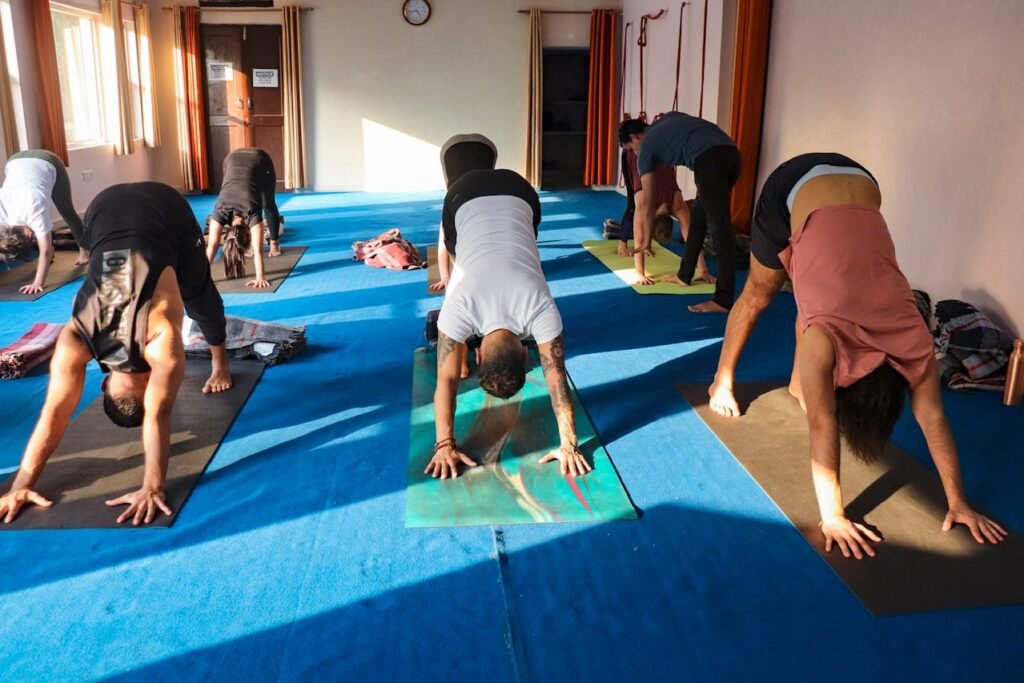
2. Downward-Facing Dog (Adho Mukha Svanasana)
Perhaps the most recognizable yoga pose, this inversion energizes the body.
- How to do it: Start on hands and knees. Lift your hips toward the ceiling, forming an inverted “V” shape. Press your hands firmly into the mat and pedal your feet if your hamstrings feel tight.
- Why it helps: It stretches the entire back body (calves, hamstrings, spine) and builds upper body strength. Mayo Clinic experts note that inversions can also help improve circulation.
3. Cobra Pose (Bhujangasana)
A gentle backbend that counters the hunching associated with desk work.
- How to do it: Lie on your stomach, hands under your shoulders. Press the tops of your feet into the floor. Inhale and gently lift your chest off the ground using your back muscles, keeping little weight in your hands.
- Why it helps: It strengthens the spine and opens the chest. For those with chronic issues, this is often incorporated into yoga for back pain routines.
4. Tree Pose (Vrksasana)
A balancing pose that cultivates focus and stability.
- How to do it: Shift weight to your left foot. Place your right foot on your left ankle, calf, or inner thigh (avoid the knee joint). Bring hands to prayer position at your chest. Fix your gaze on a stationary point.
- Why it helps: It improves physical balance and mental concentration, similar to balance training protocols used for fall prevention.
5. Child’s Pose (Balasana)
A resting pose to reset the nervous system.
- How to do it: Kneel on the mat, big toes touching, knees wide. Sit back on your heels and walk your hands forward, resting your forehead on the mat.
- Why it helps: It gently stretches the hips, thighs, and ankles while calming the brain.
The Role of Pranayama (Breath Control)
In Hatha yoga, the breath is the bridge between the mind and body. Beginners often hold their breath during challenging poses, which increases tension. Learning to breathe deeply and rhythmically is crucial.
A fundamental technique is Diaphragmatic Breathing (belly breathing). Research in ScienceDirect indicates that slow, deep breathing can lower blood pressure and heart rate. Try to inhale for a count of four, and exhale for a count of four. You can explore more specific breathing exercises as you advance.
A Simple 20-Minute Home Routine
Ready to put it all together? Follow this simple sequence. Remember to move slowly and coordinate your movement with your breath.
- Centering (2 mins): Sit in a comfortable cross-legged position. Close your eyes and focus on your breath.
- Warm-up (3 mins): Perform gentle neck rolls and Cat-Cow stretches (arching and rounding the spine on hands and knees).
- Standing Sequence (5 mins): Move from Mountain Pose to Tree Pose (both sides).
- Flow (5 mins): Transition to Downward-Facing Dog, hold for 5 breaths, then lower to Cobra Pose. Repeat 3 times.
- Cool Down (2 mins): Child’s Pose.
- Savasana (3 mins): Lie flat on your back, arms by your sides, palms facing up. Let your body completely relax. This is essential for integrating the benefits of the practice, much like a cool-down in a morning workout routine.
Safety Tips and Precautions
While Hatha yoga is low-impact, injury is possible if you ignore your body’s signals.
- Listen to Your Body: The adage “no pain, no gain” does not apply to yoga. If you feel sharp or shooting pain, stop immediately. Learn the difference between muscle strain vs. soreness.
- Modify: Use blocks or bend your knees. There is no prize for touching your toes.
- Consult a Doctor: If you have pre-existing conditions like glaucoma, high blood pressure, or a history of injury, consult a healthcare provider. Johns Hopkins Medicine advises modifying poses to accommodate specific medical needs.
Frequently Asked Questions
How often should I practice Hatha yoga?
Consistency is key. Practicing for 20 minutes, three times a week, is more beneficial than one 90-minute session once a month. The World Health Organization (WHO) recommends regular muscle-strengthening activities, which yoga provides.
Can I do yoga if I am not flexible?
Absolutely. Saying you are too stiff for yoga is like saying you are too dirty to take a bath. Yoga is the tool to gain flexibility, not a prerequisite. The Arthritis Foundation recommends yoga specifically for improving range of motion in stiff joints.
Is Hatha yoga cardio?
While Hatha is generally not a high-intensity cardiovascular workout, it does improve heart health by reducing stress and inflammation. For robust heart health, the American Heart Association suggests combining yoga with aerobic activities like walking or swimming.
The Bottom Line
Hatha yoga for beginners at home is a journey of self-discovery. It offers a sanctuary from the fast pace of modern life, allowing you to build strength, flexibility, and mental resilience. By starting with foundational poses and prioritizing safety and breath, you can cultivate a practice that supports your health for years to come.
Remember, the goal is not to perform the perfect pose but to show up for yourself on the mat. Roll out your mat today, take a deep breath, and begin.