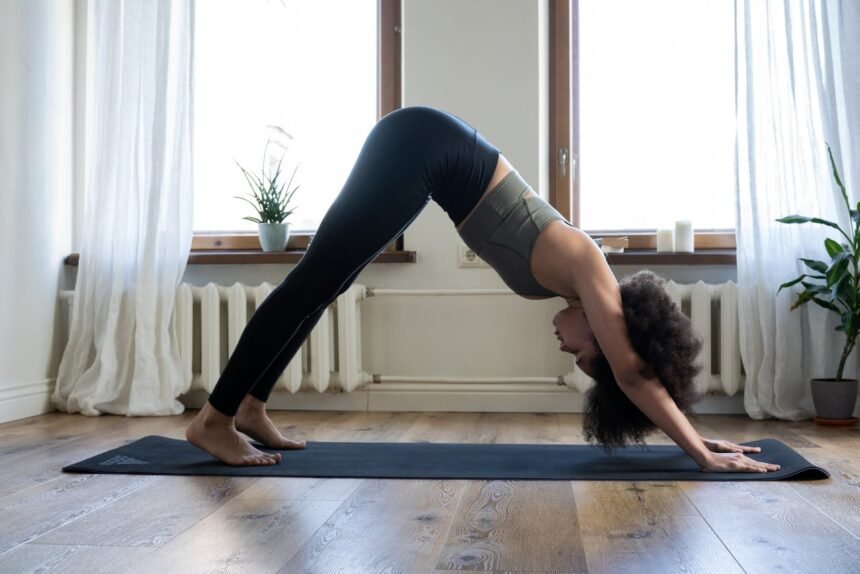
If you have ever stepped out of a Bikram or heated Vinyasa class, you are likely familiar with the immediate physical sensations: a drenched shirt, loosened muscles, and a face that is flushed and dewy. This phenomenon, often dubbed the “post-yoga glow,” is one of the most cited anecdotal benefits of practicing yoga in a heated room.
Hot yoga, which typically involves practicing a sequence of postures in a room heated between 90°F and 105°F (32°C to 40°C) with varying humidity, has surged in popularity. While many practitioners flock to these studios for flexibility and cardiovascular intensity, a growing number are unrolling their mats for aesthetic reasons. But does the intense sweat session actually improve your complexion, or is the “glow” merely temporary vasodilation?
The relationship between heat, sweat, and skin health is complex. While the practice offers significant benefits regarding circulation and stress reduction—both pillars of dermatological health—it also presents specific challenges for those with sensitive skin conditions. To understand how different types of yoga affect your epidermis, we must look at the physiological mechanisms at play.
The Physiology of the “Glow”: Circulation and Oxygenation
The primary reason your skin looks radiant immediately after a hot yoga class is vasodilation. When your body temperature rises, your blood vessels dilate (widen) to release heat and cool the body down. This process increases blood flow to the skin’s surface.
According to the Mayo Clinic, exercise-induced circulation helps nourish skin cells and keep them vital. Blood carries oxygen and nutrients to working cells throughout the body, including the skin. In a heated environment, the cardiovascular demand is higher than in non-heated yoga, amplifying this effect.
This surge of oxygenated blood delivers a heavy dose of nutrients to the dermal layers, potentially aiding in cellular repair and collagen production. Improved circulation also helps the circulatory system carry away waste products, such as free radicals, from working cells. While this doesn’t “detox” the liver, it does help clear cellular debris that can contribute to premature aging.
Sweating it Out: The Myth and Reality of Detoxification
One of the most pervasive claims in the wellness industry is that sweating “detoxifies” the body. From a medical perspective, your liver and kidneys are your primary filtration organs. However, sweat does play a unique role in skin health.
Sweat is mostly water, but it also contains small amounts of ammonia, urea, salts, and sugar. When you sweat profusely during hot yoga, the perspiration exits through your pores, potentially flushing out trapped dirt, oil, and impurities that can lead to comedones (blackheads). Furthermore, research published in PubMed suggests that sweat contains a natural antimicrobial peptide called dermcidin, which helps protect the skin from bacteria like E. coli and Staphylococcus aureus.
However, the concept of a natural detox through the skin has limits. If sweat is left to dry on the skin, those impurities are reabsorbed or can clog pores, leading to the opposite of the desired effect: breakouts. The benefit lies in the flow of perspiration, provided it is washed away promptly.
The Stress-Skin Axis: Lowering Cortisol
Perhaps the most profound long-term benefit of hot yoga for the skin is its ability to mitigate stress. Chronic stress triggers the release of cortisol, a hormone that can wreak havoc on your complexion. Elevated cortisol levels prompt the sebaceous glands to produce more oil, increasing the likelihood of acne.
Furthermore, stress can impair the skin’s barrier function, leading to water loss and inhibiting the skin’s ability to repair itself. A study cited by the American Academy of Dermatology (AAD) confirms that stress exacerbates acne and other inflammatory skin conditions.
Yoga is a proven modulator of the stress response. By combining rhythmic breathing (pranayama) with physical movement, yoga activates the parasympathetic nervous system (the “rest and digest” state). Lowering your systemic cortisol and stress levels does not just make you feel better mentally; it reduces systemic inflammation, allowing your skin to calm down, heal, and maintain a clearer appearance over time.
Heat Shock Proteins and Collagen Production
Emerging research into heat therapy suggests another potential benefit: the activation of heat shock proteins (HSPs). These proteins are produced by cells in response to exposure to stressful conditions, including thermal stress (heat).
According to research published in Nature, heat shock proteins play a role in cellular repair and protection against oxidative stress. While more research is needed specifically linking hot yoga to dermal collagen density, the mechanism suggests that regular exposure to heat may support the structural integrity of the skin. Collagen is the protein responsible for skin elasticity and firmness; protecting it is essential for anti-aging.
For those interested in maintaining skin elasticity, combining heat exposure with a diet rich in benefits of collagen-boosting foods may offer a synergistic effect.

Risks and Precautions: When Heat Hurts
While the benefits are compelling, hot yoga is not a universal prescription for perfect skin. For certain skin types, the extreme heat and humidity can act as a trigger for inflammatory conditions.
1. Rosacea and Melasma Triggers
Heat is a primary vasodilator. For individuals with rosacea, this can lead to severe flushing and persistent redness. The National Rosacea Society lists heavy exercise and heated environments as top triggers for flare-ups. Similarly, those with melasma (hyperpigmentation) may find that heat exacerbates their condition, as heat stimulates melanocytes just as UV rays do.
If you struggle with rosacea symptoms, consider placing a cold towel on your neck during class or opting for non-heated yoga.
2. Miliaria (Heat Rash)
Miliaria occurs when sweat ducts become blocked and perspiration is trapped under the skin. This results in a rash of small, itchy bumps. The intense humidity of a hot yoga studio creates the perfect environment for this condition.
3. Fungal Acne (Pityrosporum Folliculitis)
Yeast thrives in warm, moist environments. Wearing tight, synthetic yoga clothes soaked in sweat for 60 to 90 minutes can promote the overgrowth of yeast on the back, chest, and shoulders, leading to fungal acne.
The Hygiene Factor: Preventing “Yoga Skin” Breakouts
To reap the rewards of increased circulation without suffering from clogged pores, your pre- and post-class routine is just as important as the practice itself. The Cleveland Clinic warns against “acne mechanica,” which is caused by friction and heat.
Essential Steps for Hot Yoga Skincare
- Go Makeup-Free: Never wear foundation or heavy makeup into a hot room. As pores open, makeup can become trapped deeper in the skin, leading to cystic breakouts.
- Cleanse Immediately: Wash your face and body immediately after class. If you cannot shower at the studio, use a hypochlorous acid spray or a micellar wipe to remove sweat and bacteria before commuting home.
- Wear Breathable Fabrics: Opt for moisture-wicking, loose-fitting clothing when possible to prevent sweat from being trapped against the skin.
- Hydrate Internally: The “glow” requires water. Dehydration leads to lackluster, tight skin. Ensure you are replacing fluids and electrolytes lost during the sweat session.
Sleep, Regeneration, and Skin Health
Another indirect pathway through which hot yoga benefits the skin is sleep improvement. The physical exertion combined with the relaxation effect of the heat often leads to deeper, more restorative sleep.
During sleep, your body enters a state of repair. The Sleep Foundation notes that blood flow to the skin increases during sleep, and the body produces growth hormones that repair cell damage. Poor sleep is associated with paler skin, more wrinkles, and hanging eyelids. By utilizing hot yoga to improve sleep hygiene, you are giving your skin the uninterrupted time it needs to regenerate.
Hydration: The Critical Variable
You cannot discuss hot yoga without discussing hydration. A 90-minute class can result in the loss of liters of water. When the body is dehydrated, the skin loses its turgor (elasticity) and appears dull. Chronic dehydration can also make fine lines more visible.
According to the Centers for Disease Control and Prevention (CDC), water is essential for maintaining body temperature and lubricating joints, but it is also vital for skin homeostasis. To maintain the skin barrier, you must drink water before, during, and significantly after the class. Electrolytes are also crucial, as sodium and potassium are lost through sweat.
The Bottom Line
Hot yoga offers a multifaceted approach to skin health. Through improved circulation, the practice delivers a surge of oxygen and nutrients to the skin, creating an immediate, healthy radiance. The stress-reducing capabilities of yoga help regulate cortisol, potentially reducing hormonal acne and inflammation over time.
However, the heat is a double-edged sword. For those with rosacea, melasma, or eczema, the extreme temperatures may do more harm than good. Furthermore, without diligent hygiene—specifically removing sweat immediately after practice—the humid environment can foster bacterial and fungal acne.
If you do not have contraindicating skin conditions, hot yoga can be a powerful tool in your skincare arsenal. It forces you to sweat, drink water, and de-stress—three of the most effective habits for a healthy complexion. Just remember: the glow comes from the flow, but clear skin comes from washing it off.