
Inflammation is a buzzword in the wellness world, yet many people do not fully understand what it means for their bodies. While acute inflammation is a vital part of your immune system’s defence* mechanism—helping to heal wounds and fight infections—*chronic inflammation symptoms UK experts warn about are far more insidious. This long-term, low-grade simmering can damage your tissues, joints, and arteries, paving the way for serious health issues like heart disease, diabetes, and arthritis.
Your diet plays a massive role in this process. What you put on your plate can either douse the fire or fan the flames. In this article, we will analyse the primary dietary culprits and provide actionable advice on how to protect your health.
Understanding the Fire Within
Before we dive into the specific foods, it is crucial to distinguish between the two types of inflammation. Acute inflammation is immediate and temporary, like the redness around a cut. Chronic inflammation, however, is invisible. It occurs when your body sends out inflammatory cells even when there is no outside danger. Over time, this constant state of alert can lead to DNA damage and tissue death.
Research suggests that diet is one of the most controllable factors in managing this condition. By removing foods that trigger arthritis and other inflammatory responses, you can significantly improve your quality of life.
The Major Culprits: Foods That Fuel Inflammation
To help you make better choices, we have categorised the worst offenders below. Reducing these in your diet is the first step toward better health.
1. Sugar and High-Fructose Corn Syrup
Table sugar (sucrose) and high-fructose corn syrup are arguably the biggest dietary drivers of inflammation. They are hidden in everything from chocolate bars to ‘healthy’ fruit yoghurts.
When you consume excessive sugar, your insulin levels spike. This can trigger the release of pro-inflammatory cytokines. The sugar and joint pain link is well-documented; many people report that their stiffness improves significantly when they cut out sweets. Furthermore, excessive fructose intake has been linked to endothelial dysfunction (damage to the lining of your blood vessels), which is a precursor to heart disease.
> “Added sugars drive inflammation and insulin resistance, the root of most chronic diseases.” — Harvard Health
2. Artificial Trans Fats
Artificial trans fats are created by pumping hydrogen into liquid vegetable oils to make them solid. On ingredient labels, they are often listed as ‘partially hydrogenated oils’.
The dangers of trans fats UK health authorities highlight include raising your ‘bad’ LDL cholesterol while lowering your ‘good’ HDL cholesterol. They damage the lining of your blood vessels and cause high levels of inflammatory markers like C-reactive protein (CRP). While many manufacturers have reduced their use, you must still check labels on processed pastries, biscuits, and fast foods.
* Avoid: Fried fast foods, commercial doughnuts, and hard margarines.
* Swap: Use olive oil or butter in moderation.
3. Processed Meats
Sausages, bacon, ham, and beef jerky are staples in many British diets, but they come at a cost. These meats are often cured, salted, smoked, or preserved with chemical additives.
Why processed meat is bad for you boils down to the formation of advanced glycation end products (AGEs) when these meats are cooked at high temperatures. Additionally, the nitrates and high sodium content can disrupt your body’s natural balance. The World Health Organization has classified processed meats as carcinogenic, linking them to an increased risk of colon cancer and systemic inflammation.
Cancer Research UK provides extensive data on how reducing processed meat intake can lower cancer risks.
4. Refined Carbohydrates
Not all carbs are bad, but refined ones are problematic. White bread, white pasta, and pastries have been stripped of their fibre and nutrients. This means your body breaks them down rapidly, causing spikes in blood sugar similar to pure sugar.
Understanding refined carbs vs complex carbs is essential. Refined carbs feed the harmful bacteria in your gut, which can increase the risk of obesity and bowel inflammation. Conversely, complex carbs like oats and whole grains promote a healthy gut microbiome.
* The Science: High-glycaemic foods fuel the production of AGEs, which stimulate inflammation. See more on the Glycaemic Index at Diabetes UK.
5. Excessive Alcohol
While a glass of red wine may have some antioxidant benefits, heavy drinking is a major cause of inflammation. Alcohol and body inflammation are closely linked because alcohol irritates the gut lining. This can lead to a condition often called ‘leaky gut’, where bacterial toxins move from the colon into the bloodstream (translocation), triggering a widespread immune response.
Frequent alcohol consumption also burdens the liver, the organ responsible for filtering toxins. Drinkaware notes that reducing alcohol intake is one of the most effective ways to lower systemic stress on the body.
6. Certain Vegetable and Seed Oils
Vegetable oils like soybean, sunflower, and corn oil are rich in Omega-6 fatty acids. While our bodies need some Omega-6, the modern diet provides far too much of it compared to Omega-3 (found in fatty fish).
This imbalance promotes inflammation. The vegetable oils health risks arise when the ratio of Omega-6 to Omega-3 is skewed. Aim for a balanced intake by incorporating more Omega-3 rich foods.
> Tip: Cook with oils that are stable at high heat and lower in Omega-6, such as coconut oil or avocado oil.
Controversial Foods: Myths and Nuances
Some foods get a bad reputation that they may not entirely deserve. It is important to separate fact from fiction.
Nightshade Vegetables
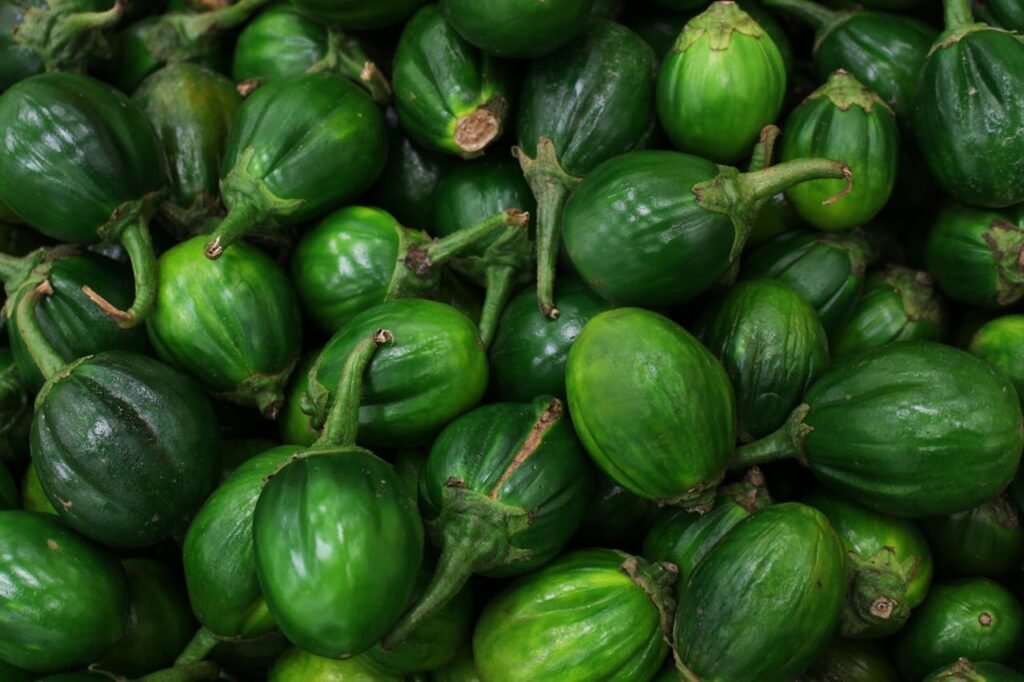
Tomatoes, aubergines, peppers, and potatoes belong to the nightshade family. Some people believe these worsen arthritis. However, for most people, the nightshade vegetables inflammation myth is just that—a myth. In fact, these vegetables are rich in nutrients. You should only avoid them if you have a specific sensitivity.
Cleveland Clinic confirms that nightshades are generally anti-inflammatory for the majority of the population.
Gluten and Dairy
For those with Celiac disease or lactose intolerance, these foods are highly inflammatory. Gluten intolerance and inflammation* go hand-in-hand for sensitive individuals, causing severe gut damage. Similarly, *dairy sensitivity symptoms like bloating and skin rashes indicate an inflammatory response. However, if you tolerate them well, fermented dairy (like kefir) and whole grains can actually be beneficial.
The Role of Artificial Additives
Processed foods are often loaded with artificial sweeteners (like aspartame) and preservatives (like MSG). Artificial sweeteners side effects may include disrupting gut bacteria balance, which acts as a trigger for metabolic inflammation. If you cannot pronounce the ingredients on the packet, your body likely won’t recognise them as food.
Natural Ways to Combat Inflammation
Knowing what to avoid is half the battle. The other half is knowing how to reduce inflammation quickly through positive lifestyle changes.
- Eat More Anti-Inflammatory Foods:* Focus on berries, fatty fish, leafy greens, and nuts. An *anti-inflammatory foods list for beginners should always include turmeric, ginger, and olive oil.
- Stay Hydrated: Water helps flush toxins out of the body.
- Manage Stress: High cortisol levels (the stress hormone) induce inflammation. Techniques like meditation can help.
- Gut Health:* The *gut health and inflammation connection is undeniable. Probiotics and prebiotic fibres support a healthy immune system.
For comprehensive dietary guidelines, refer to the Eatwell Guide by Public Health England.
Conclusion
Chronic inflammation is a silent driver of disease, but you have the power to control it. By eliminating processed sugars, trans fats, and refined carbs, and replacing them with whole, nutrient-dense foods, you can protect your body from the inside out.
Remember, you do not need to overhaul your diet overnight. Small changes—like swapping white bread for whole grain or trading a fizzy drink for herbal tea—can make a massive difference over time. Your body will thank you for it.
—
Frequently Asked Questions (FAQ)
1. How quickly can I reduce inflammation by changing my diet?
While individual results vary, many people report feeling less bloated and having more energy within a few weeks of removing inflammatory foods. Markers like CRP (C-reactive protein) can show improvement in blood tests within a month of strict dietary changes. Consistency is key.
2. Is coffee inflammatory?
For most people, coffee is actually anti-inflammatory due to its high antioxidant content. However, if you load it with sugar, syrups, and artificial creamers, it becomes inflammatory. Also, if caffeine disrupts your sleep, the resulting fatigue can increase inflammation.
3. Can drinking water help reduce inflammation?
Yes. Hydration is essential for flushing out toxins and keeping your joints lubricated. Dehydration can lead to higher cortisol levels, which promotes inflammation. Aim for 6–8 glasses of water a day.
4. Are eggs inflammatory?
Eggs are generally anti-inflammatory and a great source of protein and Vitamin D. However, some people with autoimmune conditions may be sensitive to them. If you suspect eggs are causing issues, try an elimination diet to test your tolerance.
5. What is the strongest natural anti-inflammatory?
Turmeric (specifically its active compound, curcumin) is widely considered one of the most potent natural anti-inflammatories. Ginger, Omega-3 fatty acids (fish oil), and green tea are also incredibly effective at lowering inflammation levels naturally.
Additional Resources
* National Institute on Aging – Diet and Health
* British Heart Foundation – Fats Explained
* NHS – The Truth About Sugar
* Arthritis Foundation – Inflammatory Foods
* Johns Hopkins Medicine – Fighting Inflammation
* PubMed – Omega-6/Omega-3 Ratio