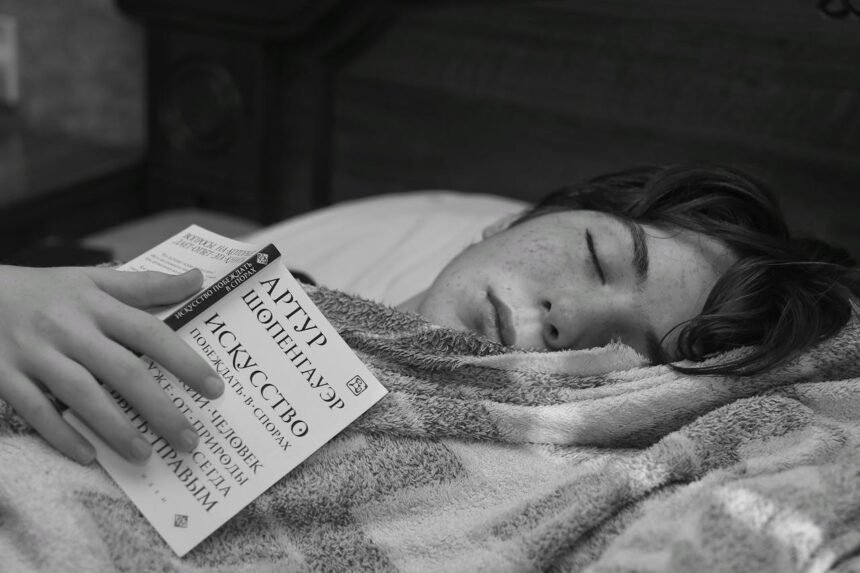
Sleep is not just a passive activity. It is a critical biological function, especially during the teenage years. While adults often complain about being tired, teenagers face a unique biological storm. Their bodies and brains are developing rapidly. This growth demands significant rest. However, academic pressure, social lives, and biological clock shifts often make getting enough sleep difficult.
Understanding sleep cycles is the secret to feeling rested. It is not just about the total hours. It is about timing. Waking up at the wrong moment in a sleep cycle can leave you groggy for hours. This article explores the science behind teen sleep and how to calculate the perfect wake-up time.
We will look at practical tools, including a sleep cycle calculator for teenagers, to help optimise rest. We will also cover hygiene tips and natural remedies to ensure the sleep you get is restorative.
The Science of Teen Sleep Cycles
Sleep occurs in stages. These stages form a cycle that repeats throughout the night. A typical sleep cycle lasts about 90 minutes. It moves through light sleep, deep sleep, and Rapid Eye Movement (REM) sleep.
Deep sleep is vital for physical recovery. This is when the body releases growth hormones. REM sleep is crucial for the brain. It processes emotions and consolidates memories from the school day. The Sleep Foundation notes that interrupting deep sleep leads to that heavy, foggy feeling in the morning.
Why Teens Are Night Owls
Many parents assume teens stay up late due to rebellion or phones. While technology plays a role, biology is the primary driver. In adolescence, the secretion of melatonin (the sleep hormone) is delayed. This is known as a “sleep phase delay.” It means a teenager might not feel tired until 11:00 pm or later.
This shift clashes with early school start times. The result is chronic sleep deprivation. Understanding this biological reality is the first step toward fixing it.
Calculating the Perfect Wake-Up Time
To wake up feeling refreshed, you must time your alarm with the end of a sleep cycle. If a cycle is 90 minutes, you should aim for sleep durations that are multiples of 90 minutes. These include 7.5 hours or 9 hours.
Using a Sleep Cycle Calculator
A manual calculation is simple. If you need to wake up at 7:00 am, count backward in 90-minute blocks. The best bedtimes would be:
- 10:00 pm (9 hours of sleep)
- 11:30 pm (7.5 hours of sleep)
Using a digital sleep cycle calculator for teenagers can automate this. These tools factor in the average 14 minutes it takes to actually fall asleep. By using these calculations, you can learn how to wake up early without feeling tired. It is not magic; it is simply avoiding the interruption of deep sleep.
Common Sleep Questions for Young Adults
Is 6 Hours Enough?
As teens transition into young adulthood, schedules get busier. You might wonder: is 6 hours of sleep enough for a 20 year old? According to the NHS, the answer is generally no. While some individuals have a genetic mutation allowing for less rest, most young adults still need between 7 and 9 hours. Chronic restriction to 6 hours can lead to cognitive decline and mood swings.
Why Am I Still Tired?
A common frustration is getting a full night’s rest but feeling exhausted. You might ask, “Why do i feel tired after 8 hours of sleep?” There are several potential reasons:
- Sleep Quality: You might be sleeping for 8 hours but experiencing micro-awakenings.
- Sleep Apnea: This condition stops breathing during sleep. It is not just for older men. Signs of sleep apnea in women and young people are often overlooked.
- Dehydration: Not drinking enough water can lead to fatigue.
- Nutrient Deficiencies: Low iron or Vitamin D levels can cause tiredness.
Optimising the Sleep Environment
Creating a sanctuary for rest is vital. Your bedroom should be designed for sleep, not entertainment.
Temperature Control
Body temperature drops to initiate sleep. If a room is too hot, it interferes with this process. Experts suggest the best temperature for sleep celsius is between 16°C and 18°C. This might feel cool, but it mimics the body’s natural hibernation state. Use breathable cotton bedding to regulate heat.
Managing Light and Screens
Light is the strongest signal to our internal clock. Blue light from phones and laptops suppresses melatonin. If you must use screens late at night, consider using blue light glasses for sleep effectiveness. These glasses filter out the stimulating wavelengths. However, Mayo Clinic experts suggest avoiding screens entirely for an hour before bed is far superior.
The Role of Caffeine
Teenagers often rely on energy drinks or coffee. The effect of caffeine on sleep cycle disruption is significant. Caffeine has a half-life of about 5 to 6 hours. This means half of the caffeine from a 4:00 pm coffee is still in your system at 10:00 pm. It reduces deep sleep duration. Switch to water or herbal options in the afternoon.
How to Fix a Broken Schedule
Holidays often ruin sleep routines. Teens might stay up until 4:00 am and sleep until 2:00 pm. Knowing how to fix a reversed sleep schedule takes patience. Do not try to shift it all at once.
- Shift Gradually: Wake up 30 minutes earlier each day.
- Morning Light: Get sunlight immediately upon waking. This resets the circadian rhythm.
- Avoid Naps: Long naps during the day make it harder to sleep at night.
Techniques to Fall Asleep Faster
Lying in bed awake is frustrating. Here are proven methods to help you drift off.
The Military Method
This technique was developed to help soldiers sleep in difficult conditions. Here is the military sleep method step by step:
- Relax the face: Close your eyes. Relax your forehead, eyes, and jaw.
- Drop the shoulders: Let them sink down. Relax your arms one by one.
- Exhale: Breathe out and relax your chest.
- Relax the legs: Start from the thighs and move down to the feet.
- Clear the mind: Repeat “Don’t think” for 10 seconds.
With practice, this method can induce sleep in under two minutes.
Mental Health and Anxiety
Racing thoughts often keep teens awake. Using positive affirmations for sleep and anxiety can ground you. Repeat phrases like “I am safe,” “I have done enough today,” or “My body is ready to rest.” Mindfulness practices can also help quiet the brain.
The 3 AM Problem
Waking up in the middle of the night is normal. However, knowing what to do when you can’t sleep at 3am is crucial to getting back to rest. Do not look at the clock. The stress of counting remaining sleep hours releases cortisol, which wakes you up further. If you are awake for more than 20 minutes, get out of bed. Read a dull book in dim light until you are sleepy again.
Natural Remedies and Tools
Before reaching for medication, try natural aids and better equipment.
Herbal Teas and Scents
A warm drink can be a soothing ritual. Chamomile or Valerian root tea to help you sleep better is a classic remedy. These herbs have mild sedative properties. Aromatherapy is also powerful. Studies show lavender oil for sleep benefits include lowered heart rate and blood pressure. A few drops on a pillow or in a diffuser can create a calming atmosphere.
Sensory Tools
Sensory deprivation can improve sleep quality. A standard mask blocks light, but weighted eye mask benefits go further. The gentle pressure stimulates the vagus nerve, promoting relaxation similar to a weighted blanket. It can help reduce anxiety and tension headaches.
Technology Assistance
While phones are usually the enemy, some apps are beneficial. The best sleep apps for free include ‘Insight Timer’ for meditation and ‘Sleep Cycle’ for tracking. These apps offer guided stories and white noise without requiring a subscription. Headspace also offers excellent free trials for sleep content.
Dealing with Specific Discomforts
Physical discomfort is a major sleep thief. Learning how to sleep with a stuffy nose is essential during allergy season. Elevating your head with an extra pillow helps drain sinuses. A humidifier can also keep nasal passages moist. Click here for more tips on sleeping while sick.
Musculoskeletal pain is another issue. Knowing how to sleep with lower back pain can save your spine. If you sleep on your back, place a pillow under your knees. If you sleep on your side, place a pillow between your knees to align the hips. Speaking of support, understanding how to use a body pillow can transform your comfort levels, providing full-body alignment.
The Bottom Line
Sleep is the foundation of health for teenagers and young adults. It governs mood, academic performance, and physical growth. By understanding sleep cycles and optimising your environment, you can improve your quality of life.
Remember to keep the room cool (around 16-18°C), avoid caffeine in the evening, and maintain a consistent schedule. Whether you use the military method or listen to calming affirmations, finding a routine that works for you is key. If sleep problems persist, consult a doctor to rule out any underlying conditions.