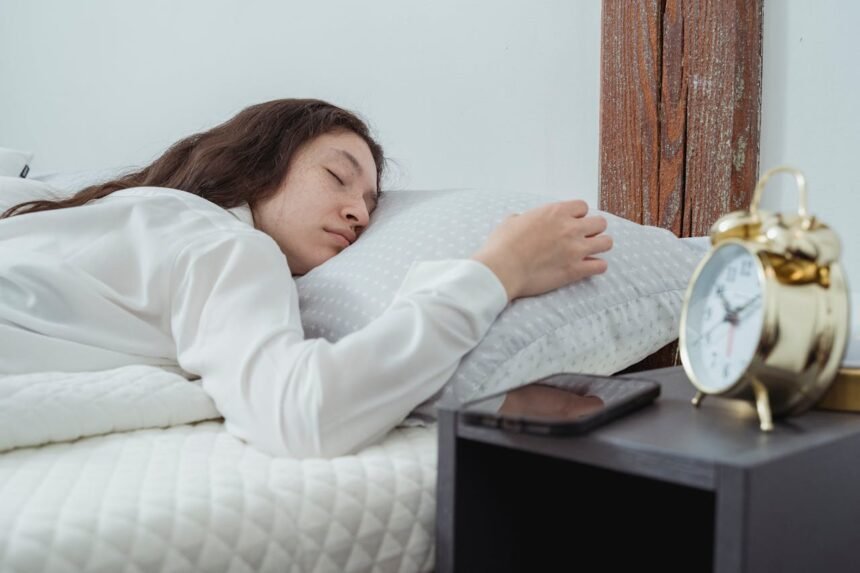
We spend approximately one-third of our lives asleep. Yet, for many across the UK, achieving a truly restorative night of rest remains an elusive goal. If you frequently toss and turn, wake up with a stiff neck, or struggle to drift off, the culprit is often a combination of poor sleep habits and inadequate bedding support.
Understanding the interplay between sleep hygiene—the behavioural and environmental practices that promote sleep—and the physical support provided by your pillow is essential for long-term health. A holistic approach to sleep health requires looking at both your daily routine and the surface you rest your head upon.
In this comprehensive guide, we will explore how to optimise your sleep environment, why your choice of pillow is a critical health decision, and practical steps to improve your nightly slumber.
What Exactly is Sleep Hygiene?
The term ‘sleep hygiene’ might sound like it refers to washing your face before bed, but in the medical community, it refers to a set of habits and environmental factors that can be adjusted to help you sleep better. Good sleep hygiene is about training your brain and body to recognise when it is time to wind down.
According to the NHS, establishing a regular routine is paramount. This involves maintaining a consistent sleep schedule, even on weekends, to regulate your body’s internal clock, known as the circadian rhythm. When your behaviours align with your biological needs, the quality of your sleep improves significantly.
However, even the best routine cannot compensate for physical discomfort. This is where your sleep environment—specifically your bedding—comes into play. For more on how your body regulates sleep, read our guide on Circadian Rhythms.
The Critical Role of Pillow Selection
Many people underestimate the importance of their pillow, viewing it merely as a soft accessory. However, from an orthopaedic perspective, your pillow serves a vital function: it must support the complex structures of your head and neck (the cervical spine). Ideally, a pillow should keep your head in ‘neutral alignment’. This means your head sits squarely on your shoulders without bending too far back or tucking too far forward.
If your pillow does not provide adequate support, the intricate muscles in your neck and upper back work overtime during the night to stabilise the spine. This can lead to tension headaches, shoulder stiffness, and disrupted sleep cycles. Persistent misalignment can even exacerbate chronic conditions. For specific advice on managing discomfort, see our article on Neck Pain Relief.
Signs Your Pillow May Be the Problem
- You wake up with neck stiffness or headaches.
- You find yourself punching or folding your pillow to get comfortable.
- You frequently wake up to adjust your position.
- Your pillow is lumpy, flat, or discoloured.
- You sneeze or feel congested specifically at night.
Matching Your Pillow to Your Sleeping Position
There is no single ‘perfect’ pillow for everyone. The correct choice depends heavily on your dominant sleeping position. The goal is always to fill the gap between your head and the mattress to maintain a straight spine.
1. Side Sleepers
Side sleeping is the most common position. If you sleep on your side, there is a significant gap between your ear and the mattress—essentially the width of your shoulder. You require a firmer, thicker pillow (often called ‘high loft’) to bridge this distance.
If the pillow is too thin, your head drops, straining the neck. If it is too thick, your neck is craned upwards. Many side sleepers also benefit from placing a pillow between their knees to align the hips. Learn more about Side Sleeping Benefits.
2. Back Sleepers
Back sleepers need a medium-loft pillow. The aim is to support the natural curvature of the neck (cervical lordosis) without pushing the head too far forward. If your chin is being forced towards your chest, your pillow is likely too high, which can restrict breathing and potentially worsen snoring.
Research published by the National Institutes of Health (PubMed) suggests that orthopaedic pillows with specific cervical support can significantly improve sleep quality for back sleepers.
3. Stomach Sleepers
Sleeping on your front can be challenging for the spine, as it requires you to twist your neck to breathe. If you must sleep this way, you need a very thin, soft pillow—or perhaps no pillow at all—to prevent your head from being pushed backwards, which hyperextends the neck.
For a deeper dive into how your posture affects rest, visit our Sleeping Positions Guide.
Understanding Pillow Materials
Once you have determined the correct height and firmness, you must consider the material. This affects comfort, temperature regulation, and hygiene.
Memory Foam
Memory foam moulds to the shape of your head and neck, offering excellent pressure relief and support. It is particularly good for those who need to keep their head in a stable position. However, traditional memory foam can retain heat. If you tend to overheat, look for gel-infused options or open-cell foam structures.
Down and Feather
These natural fillings are soft and mouldable, allowing you to scrunch the pillow into your preferred shape. They offer a luxurious feel but often lack the structural support of foam. Furthermore, they require regular fluffing to maintain their loft. Crucially, they can be problematic for allergy sufferers.
Allergy UK notes that it is often the dust mites that accumulate in feathers, rather than the feathers themselves, that trigger reactions.
Latex
Latex is a natural rubber derived from the Hevea brasiliensis tree. It is supportive like memory foam but has a faster response time (it is ‘bouncier’) and is naturally breathable and antimicrobial. It is an excellent choice for those seeking Cooling Bedding solutions.

Optimising Sleep Hygiene: The Environment
While your pillow supports your skeleton, your bedroom environment supports your brain’s ability to switch off. To truly master sleep hygiene, you must curate a space conducive to rest.
Temperature Control
The The Sleep Charity recommends keeping your bedroom temperature between 16°C and 18°C. Your body temperature naturally drops as you prepare for sleep; a room that is too warm can interfere with this physiological process, leading to restless wakefulness.
Light and Darkness
Light is the primary cue for your circadian rhythm. Exposure to bright artificial light in the evening suppresses the production of melatonin, the sleep hormone. This is particularly true for the blue light emitted by phones and tablets.
We strongly advise implementing a ‘digital curfew’ at least one hour before bed. If you must use devices, consider using blue-light filtering glasses or settings. Read more about Blue Light Effects on the brain.
Noise Regulation
Sudden noises can shock the nervous system and disrupt deep sleep phases. If you live in a noisy urban area, consider using white noise machines or earplugs. Consistent, low-level background sound can mask intermittent disturbances.
Lifestyle Habits for Better Sleep
What you do during the day dictates how you sleep at night. Physical health and nutritional choices play a massive role in sleep hygiene.
Caffeine and Alcohol
Caffeine is a stimulant that can stay in your system for many hours. It is advisable to avoid tea, coffee, and energy drinks after midday. While alcohol may help you fall asleep faster, it significantly reduces the quality of Rapid Eye Movement (REM) sleep, leaving you feeling groggy the next day. For alternatives, check our list of Foods for Sleep.
Physical Activity
Regular moderate exercise can help you fall asleep faster and sleep more deeply. However, vigorous exercise too close to bedtime can leave you too energised to sleep. The British Heart Foundation suggests timing your workouts earlier in the day to maximise heart health and sleep benefits.
Pillow Hygiene and Maintenance
Even the highest quality pillow has a lifespan. Over time, pillows accumulate sweat, oil, dead skin cells, and dust mites. This accumulation can weigh down the filling, reducing support, and trigger allergic reactions that disrupt breathing.
When to replace your pillow:
- Synthetic/Polyester: Every 6 to 12 months.
- Memory Foam: Every 18 to 36 months.
- Down/Feather: Every 18 to 36 months (if washed regularly).
- Latex: Every 3 to 4 years.
To extend the life of your pillow, use a pillow protector beneath the pillowcase and wash your bedding weekly at 60°C to kill dust mites. Maintaining Bedroom Cleanliness is a non-negotiable aspect of sleep hygiene.
The Connection Between Mental Health and Sleep
It is a cyclical relationship: poor sleep can lead to stress and anxiety, and stress can lead to poor sleep. Prioritising your sleep setup is an act of self-care. When you take the time to select the right pillow and organise your routine, you are signalling to your brain that your rest is a priority.
According to the Mind charity, establishing a relaxing pre-sleep routine—such as reading, gentle stretching, or meditation—can help separate the stresses of the day from the sanctuary of the bedroom. If you are struggling with racing thoughts, explore our resources on Mental Health and Sleep.
The Bottom Line
Achieving quality sleep is rarely about fixing a single issue. It requires a comprehensive strategy that combines excellent sleep hygiene habits with the correct orthopaedic support. Your pillow is not just a cushion; it is a tool for spinal health.
By assessing your sleeping position, choosing the right materials, and maintaining a clean, cool, and dark environment, you can significantly improve the quality of your rest. If you continue to experience pain despite optimising your pillow and habits, it may be worth evaluating your mattress. See our guide on Mattress Selection for further advice.
Remember, sleep is the foundation of good health. Investing time and thought into your sleep setup is one of the most beneficial steps you can take for your physical and mental well-being.
Additional Resources
- Sleep Foundation – Comprehensive sleep health information.
- Chartered Society of Physiotherapy – Advice on posture and pain.
- GOV.UK Public Health – Guidelines on sleep and health.
- World Health Organization – Global health and sleep data.