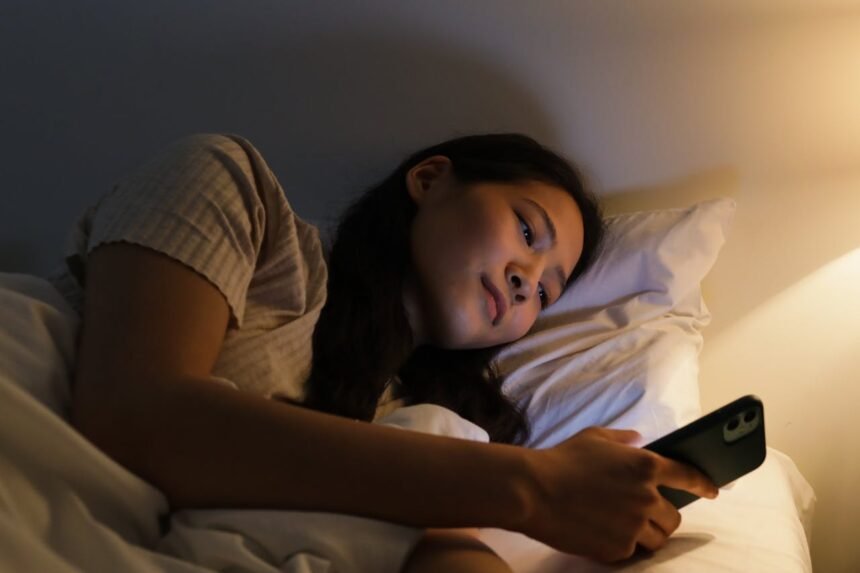
We have all been there. You have brushed your teeth, put on your pyjamas, and climbed into bed, ready to drift off. Suddenly, your stomach rumbles. You are faced with a common dilemma: should you ignore the hunger and try to sleep, or head to the kitchen for a snack?
The relationship between what we eat and how we sleep is complex. While traditional advice often warned against eating late at night to avoid weight gain, modern science suggests a more nuanced approach. The truth is, the right evening snack can actually aid your sleep hygiene, whilst the wrong one can destroy it.
In this guide, we will explore the biological connection between nutrition and rest. We will help you identify which foods promote relaxation and which ones might keep you tossing and turning until the early hours.
Understanding Sleep Hygiene and Digestion
Sleep hygiene refers to the habits and practices that are conducive to sleeping well on a regular basis. This includes your bedroom environment, your daily routine, and significantly, your diet. Your body’s internal clock, or circadian rhythm, regulates your sleep-wake cycle, but it also regulates your digestion.
When you eat a large meal, your body must work to digest it. This process requires energy and increases your metabolic rate. If you eat a heavy meal right before bed, your body is focusing on digestion rather than the restorative processes that occur during sleep. However, going to bed hungry can be just as detrimental. Low blood sugar levels can trigger the release of cortisol (the stress hormone), which can wake you up or prevent you from falling asleep in the first place.
To understand more about how your body regulates these cycles, you can read our guide on Circadian Rhythms. Finding the balance is key to optimising your rest.
The Science of Sleep-Promoting Nutrients
Certain foods contain natural substances that can help induce sleepiness. Incorporating these into your evening routine can be a game-changer for those struggling with Sleep Disorders. Here are the primary nutrients to look for:
- Tryptophan: This is an amino acid that the body uses to produce serotonin and melatonin. Serotonin is a neurotransmitter that stabilises mood, while melatonin regulates sleep cycles.
- Magnesium: Often called nature’s relaxant, magnesium helps quiet the nervous system and relax muscles. A deficiency in magnesium has been linked to insomnia.
- Melatonin: While produced naturally by the body, melatonin is also found in small amounts in certain food sources.
For a deeper dive into how vitamins and minerals affect your health, visit our Nutrition Guides. According to the NHS, establishing a routine that includes the right nutritional choices is vital for long-term sleep health.
The Best Foods for an Evening Snack
If you feel the need for a pre-bedtime bite, aim for a snack that is around 150 to 200 calories. It should contain a balance of complex carbohydrates and protein. Here are some of the best options backed by science:
1. Tart Cherries
Tart cherries or tart cherry juice have gained significant attention in the medical community. They are one of the few natural food sources of melatonin. Several studies have shown that consuming tart cherry juice can increase sleep duration and quality.
2. Almonds and Walnuts
Nuts are an excellent source of magnesium and healthy fats. Almonds, specifically, contain melatonin. A small handful can be enough to stave off hunger and help your muscles relax. You can find creative ways to use nuts in our Healthy Recipes section.
3. Kiwifruit
Surprisingly, the humble kiwi is a sleep superfood. Research indicates that eating two kiwis an hour before bed can improve sleep onset and duration. This is likely due to their high serotonin content. You can read more about such studies via the National Library of Medicine (PubMed).
4. Warm Milk or Herbal Tea
The old wives’ tale about warm milk holds some truth. Dairy contains tryptophan. Furthermore, the psychological comfort of a warm drink can signal to your brain that it is time to wind down. If you are dairy-free, chamomile tea is a potent alternative. It contains apigenin, an antioxidant that binds to certain receptors in your brain that may promote sleepiness.
Foods to Avoid Before Bed
Just as some foods help, others hinder. If you are prioritising your Mental Wellbeing and physical health, you should avoid the following items at least three hours before sleep:
1. Caffeine
This is the most obvious culprit. Caffeine is a stimulant that blocks adenosine, a chemical in the brain that makes you feel tired. It is important to remember that caffeine has a half-life of several hours. A coffee at 4 pm can still affect you at 10 pm. For more on the effects of stimulants, check the British Heart Foundation guidelines.
2. Alcohol
Many people believe a “nightcap” helps them sleep. While alcohol acts as a sedative initially, it severely disrupts the sleep cycle later in the night. It reduces Rapid Eye Movement (REM) sleep, which is essential for memory and cognitive function. Learn more about the impact of drinking on our Alcohol and Health page.
3. Spicy and Acidic Foods
Curries, hot sauce, or citrus fruits can trigger heartburn or gastro-oesophageal reflux disease (GORD). Lying down exacerbates this, allowing stomach acid to rise into the oesophagus, causing pain and wakefulness. The charity Guts UK provides excellent resources on managing reflux.
4. High-Sugar Foods
Sugary snacks cause a rapid spike in blood sugar, followed by a crash. This fluctuation can disturb your sleep. If you are managing your weight, avoiding sugar at night is also a core component of Weight Management.
Timing Is Everything
It is not just what you eat, but when you eat. Most experts recommend finishing your last large meal at least three hours before bedtime. This allows your stomach to empty and your body to begin the winding-down process.
If you must eat closer to bedtime, keep the portion small. A heavy meal forces your digestive system to work overtime. This can lead to an elevated body temperature, which is counter-productive to sleep, as your body temperature needs to drop to initiate sleep.
Additionally, late-night eating has been linked to metabolic issues. While a single late snack won’t ruin your health, chronic late-night eating can disrupt your metabolism. Read more about boosting your metabolic health in our Metabolism Boosters article.
Hydration and Sleep
Hydration plays a crucial role in overall health, but navigating fluid intake before bed is a delicate balance. Dehydration can lead to a dry mouth or nasal passages, which can cause snoring or wakefulness. However, drinking too much liquid right before bed can lead to nocturia (the need to wake up to urinate).
Try to front-load your water intake earlier in the day. In the evening, sip fluids rather than gulping them. For detailed advice on daily water intake, visit our Hydration Facts page. The Bladder & Bowel Community UK also offers specific advice for managing night-time bathroom visits.
Creating a Holistic Sleep Routine
Food is just one pillar of sleep hygiene. To truly resolve sleep issues, you must look at the bigger picture. This involves creating an environment and a routine that signals safety and relaxation to your brain.
- Light Exposure: Reduce exposure to blue light from phones and laptops at least an hour before bed. Blue light suppresses melatonin production.
- Temperature: The ideal bedroom temperature is around 16-18°C. A cooler room mimics the body’s natural temperature drop.
- Consistency: Try to go to bed and wake up at the same time every day, even on weekends. This programmes your internal clock.
For broader lifestyle adjustments, consider reading about Stress Management techniques, as stress is a leading cause of insomnia. Organisations like Mind offer comprehensive support for mental health and sleep.
The Link Between Gut Health and Sleep
Emerging research highlights the “gut-brain axis,” a communication network between your gut and your brain. A healthy gut microbiome can positively influence sleep quality. Eating a diet rich in fibre, fruits, and vegetables supports good gut bacteria.
Conversely, poor sleep can negatively affect your gut health, creating a vicious cycle. Prioritising Digestive Health is therefore synonymous with prioritising sleep. For authoritative research on global health trends regarding diet and rest, the World Health Organisation (WHO) remains a primary source.
Common Myths About Bedtime Snacks
Let us debunk a few common misconceptions regarding evening eating:
- Myth: Eating cheese gives you nightmares. While cheese is high in fat and can be hard to digest, there is no scientific evidence linking it directly to bad dreams. This is likely folklore.
- Myth: Alcohol helps you sleep better. As mentioned earlier, while it helps you fall asleep, it destroys the quality of that sleep.
- Myth: You should never eat after 6 pm. This is an arbitrary rule. If you are hungry, a small, healthy snack is better than lying awake with hunger pangs.
For more myth-busting on health topics, check out our section on Health Myths.
The Bottom Line
Sleep hygiene is about consistency and making choices that support your body’s natural rhythms. You do not need to go to bed hungry, but you should be mindful of what you consume. Opting for a small snack rich in magnesium or tryptophan—like a banana, a few almonds, or a kiwi—can bridge the gap between dinner and breakfast without disrupting your rest.
Avoid stimulants like caffeine and heavy, spicy meals late at night. Listen to your body, and remember that good sleep starts with what you put on your plate. If sleep problems persist despite your best efforts, consult a GP or a sleep specialist. You can find further medical guidance through the British Medical Journal resources or your local healthcare provider.