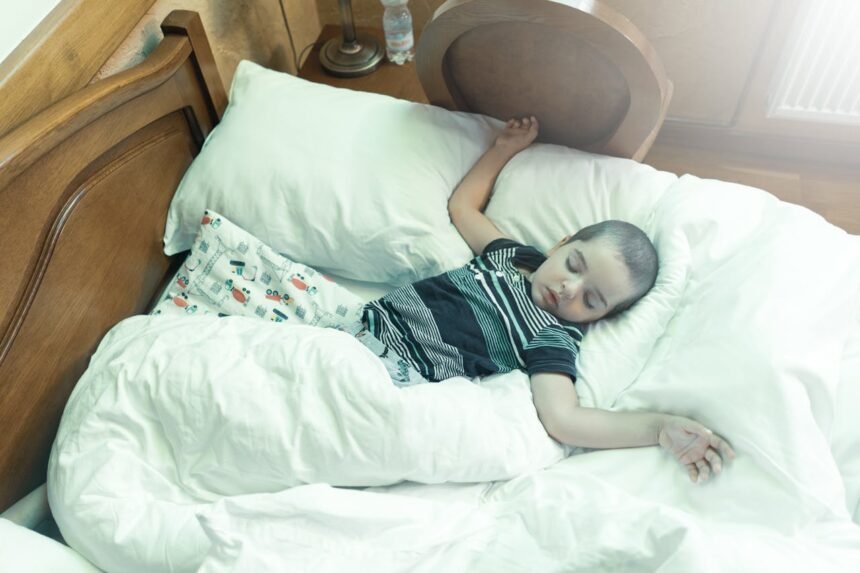
Every parent knows the struggle of the ‘back-to-school plague’. One week your child is fine; the next, they are sniffling, sneezing, and passing a cold to the entire household. While washing hands and eating vitamins are common defences, there is a more powerful, often overlooked tool in your arsenal: sleep.
Understanding the connection between kids sleep immunity is essential for raising a healthy, resilient child. Sleep is not just about mood; it is the time when the body builds its defences. If your little one is catching every bug going around, their sleep schedule might be the missing puzzle piece.
Understanding the Science: How Sleep Boosts Immunity
You might wonder, how exactly does closing our eyes fight off the flu? The answer lies in your child’s biology. When a child sleeps, their immune system kicks into high gear. It releases proteins called cytokines, some of which help promote sleep.
More importantly, certain cytokines need to increase when the body has an infection or is under stress. Sleep deprivation may decrease production of these protective cytokines. In addition, infection-fighting antibodies and cells are reduced during periods when children don’t get enough sleep.
This is why the link between sleep and immunity in toddlers* and older children is so strong. Without adequate rest, their body makes fewer cytokines, leaving them more vulnerable to viruses and bacteria. We also see a connection involving *cytokines and sleep immune response, proving that deep rest is a biological necessity, not a luxury.
> “Sleep provides essential support to the immune system. Getting sufficient hours of high-quality sleep enables a well-balanced immune defence.” — Sleep Foundation
How Much Sleep Does Your Child Actually Need?
To ensure your child’s immune system is functioning at its best, they need to meet specific sleep targets. Many parents ask, how much sleep does a child need for immune system support? The NHS provides clear guidelines:
* Infants (4 to 12 months): 12 to 16 hours (including naps)
* Toddlers (1 to 2 years): 11 to 14 hours (including naps)
* Pre-schoolers (3 to 5 years): 10 to 13 hours (including naps)
* School-aged Children (6 to 12 years): 9 to 12 hours
* Teenagers (13 to 18 years): 8 to 10 hours
Meeting these targets is crucial. Establishing healthy sleep habits early ensures that your child gets the restorative downtime their body craves.
Signs Your Child Is Sleep Deprived
It is not always obvious when a child is overtired. They rarely say, “Mother, I am fatigued.” Instead, they might become hyperactive. Recognising the signs of sleep deprivation in kids can help you intervene before their immune system takes a hit.
Look out for these common indicators:
* Difficulty waking up in the morning.
* Falling asleep during short car journeys.
* Increased clumsiness or irritability.
* Hyperactivity or ‘wired’ behaviour (often mistaken for having too much energy).
* Trouble concentrating at school.
Ignoring these signs can lead to a cycle of sleep deprivation and illness in children. A tired body is a weak body, and a weak body catches colds.
The Impact of Poor Sleep on Growth and Development
Sleep does more than just fight off colds; it is the engine of growth. How sleep cycles affect child growth is a fascinating area of paediatric health. Growth hormone is primarily secreted during deep sleep. If a child’s sleep is fragmented or too short, their growth can quite literally be stunted.
Furthermore, chronic lack of sleep is linked to mental health struggles. The Mental Health Foundation highlights that good sleep is fundamental for emotional regulation. A child who sleeps well is happier, grows better, and stays healthier.
Practical Tips to Improve Your Child’s Sleep Hygiene
Improving your child’s sleep quality requires a consistent approach. Here is how you can transform their night-time routine.
1. Establishing a Bedtime Routine
Consistency is key. A predictable bedtime routine for school age children signals to the brain that it is time to wind down. This might include a warm bath, brushing teeth, and reading a book. Avoid high-energy play right before bed.
2. Creating the Perfect Environment
Creating a sleep friendly bedroom for kids is easier than you think. The room should be cool, quiet, and dark. Blackout curtains are a brilliant investment, especially during the lighter summer months in the UK. According to the Lullaby Trust, a clear, safe sleep space is vital for babies, but older children benefit from a clutter-free environment too.
3. Managing Blue Light
In our digital age, screens are a major sleep thief. The effects of blue light on child sleep are profound. Blue light from tablets and phones tricks the brain into thinking it is daytime, suppressing melatonin (the sleep hormone). Harvard Health suggests avoiding bright screens for at least two hours before bed.
4. Nutrition and Sleep
What your child eats affects how they sleep. Some parents search for natural sleep aids for kids uk*, but the best aid is often food. Avoid caffeine and sugar in the afternoon. Instead, focus on *foods that help children sleep better. These include:
* Bananas: Rich in magnesium and potassium.
* Warm Milk: Contains tryptophan, which induces sleep.
* Oats: A natural source of melatonin.
For more dietary tips, BBC Good Food offers excellent advice on sleep-friendly meals.
Dealing with Sleep Disruptors
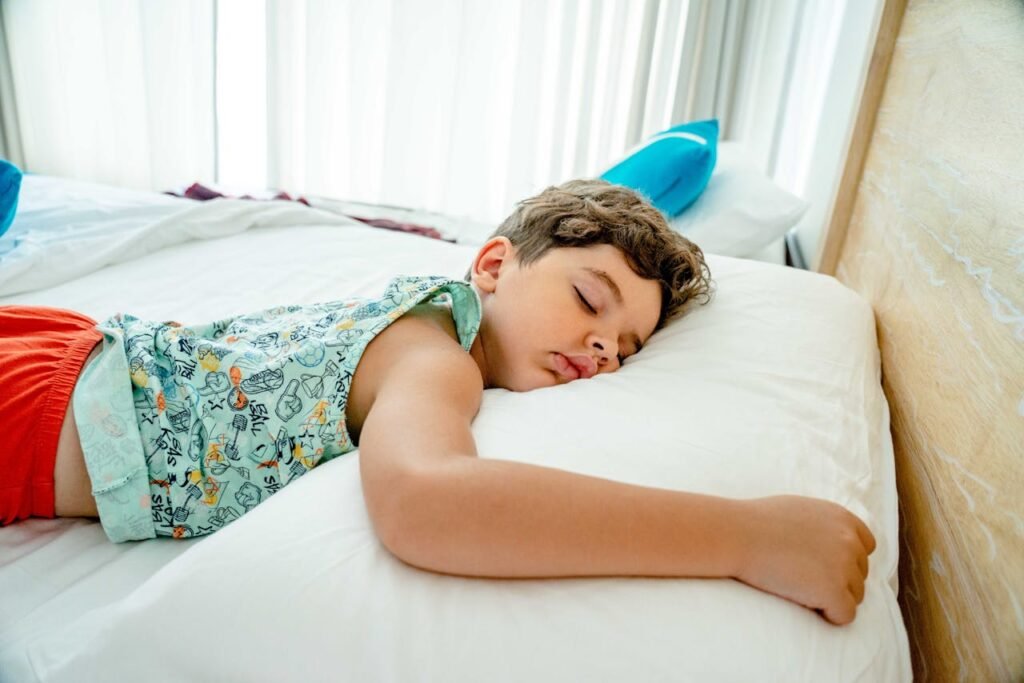
Even the best routines can be derailed. Sleep regression and sickness often go hand in hand. When a child is ill, they may wake more often, which is frustrating but normal. Comfort them, but try to stick to the routine as much as possible.
Understanding the circadian rhythm in babies and toddlers helps here. Their internal body clocks are still maturing. Exposure to natural daylight in the morning can help reset their rhythm if it has been thrown off by illness.
If you are struggling with a toddler who refuses to settle, The Sleep Charity provides fantastic resources for tired parents. Additionally, Great Ormond Street Hospital offers specialised advice on sleep hygiene for children with more complex needs.
Focusing on Deep Sleep
It is not just about the number of hours; it is about the quality. Improving deep sleep for children ensures they get the restorative benefits needed for immune health. This means ensuring the bedroom is quiet and avoiding late-night meals that might cause indigestion.
Research from the NCBI confirms that deep sleep is when the immune system does its best work. If your child wakes up groggy despite sleeping ‘enough’ hours, the quality of their sleep might be the issue.
When to Seek Professional Help
Sometimes, home remedies are not enough. If your child snores loudly, pauses in breathing, or has persistent trouble falling asleep, it might be time to see a GP. Conditions like sleep apnoea can severely impact immunity. The Royal College of Psychiatrists notes that persistent sleep problems can also be linked to emotional issues.
While some parents consider supplements, you should always consult a doctor before using melatonin. The Cleveland Clinic advises that while it can be safe short-term, it is not a cure-all and should be used under medical guidance.
Also, keep in mind the link between stress and immunity. Johns Hopkins emphasizes that sleep and the immune system are deeply interconnected. Addressing anxiety or stress in your child’s life can often resolve sleep issues naturally.
Summary
Prioritising sleep is one of the best things you can do for your child’s health. By understanding the link between kids sleep immunity, establishing a solid routine, and creating a calm environment, you are giving their body the tools it needs to fight infection. It requires patience, but a well-rested child is a healthier, happier child.
Frequently Asked Questions
1. Does sleep really help my child fight off colds?
Yes, absolutely. During sleep, the immune system releases cytokines, which are proteins that help fight infection and inflammation. Without enough sleep, your child’s body produces fewer of these, making them more susceptible to viruses.
2. How many hours of sleep does my 5-year-old need?
According to the NHS, a 5-year-old typically needs between 10 to 13 hours of sleep per night. This ensures their body has enough time to repair and grow.
3. My child can’t fall asleep. Should I use melatonin?
You should only use melatonin if recommended by a paediatrician. It is often better to try natural methods first, such as adjusting the bedtime routine, reducing blue light exposure, and ensuring the bedroom is dark and cool.
4. What are the signs that my child isn’t getting enough deep sleep?
If your child wakes up tired, is irritable throughout the day, has trouble concentrating, or seems hyperactive, they may be missing out on quality deep sleep, even if they are in bed for the right amount of time.
5. Can diet affect my child’s sleep?
Yes. Foods high in sugar or caffeine can disrupt sleep. conversely, foods rich in tryptophan (like milk and turkey) or magnesium (like bananas) can help promote better sleep.