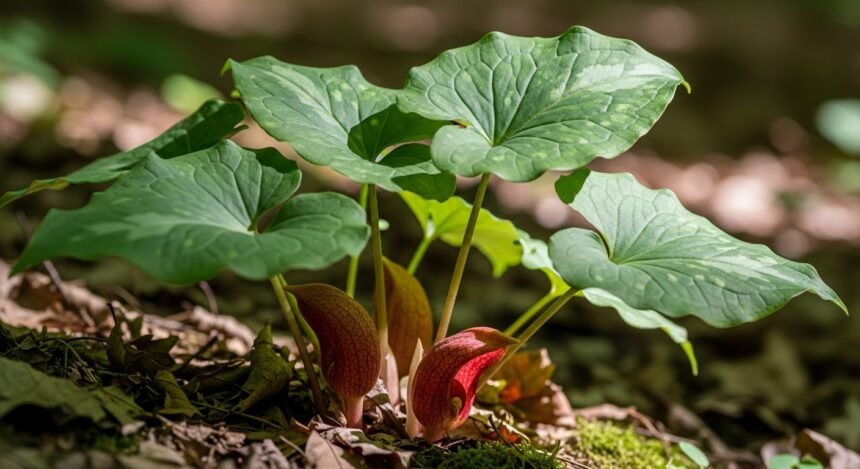
Wild ginger is a fascinating plant often found carpeting the floors of shady woodlands. For centuries, people have used its roots as a spice substitute and a herbal remedy. However, before you grab your basket and head to the forest, there is something vital you need to know: wild ginger is not the same as the ginger in your supermarket, and eating it carries significant health risks.
While the spicy scent of the crushed root might remind you of your favourite stir-fry ingredient, this plant belongs to a completely different botanical family. Recent research has uncovered dangerous compounds in many wild ginger species that can cause permanent kidney damage.
This guide will explore what wild ginger is, how to identify it, its traditional uses, and why modern science suggests you might want to admire it rather than eat it.
What Is Wild Ginger?
Wild ginger refers to a group of low-growing woodland plants in the genus Asarum. Unlike the tall, reed-like commercial ginger, these plants creep along the forest floor. They are prized by gardeners as an excellent woodland ground cover because of their beautiful foliage.
In the UK and Europe, the primary species is European wild ginger (Asarum europaeum). It features glossy, evergreen leaves that are kidney-shaped. In North America, a common relative is Asarum canadense, which has larger, velvety, heart-shaped leaves that are deciduous (they die back in winter).
Both plants grow from a creeping underground stem called a rhizome root. When you snap this root, it releases a strong, spicy aroma that is strikingly similar to culinary ginger. This scent is why early European settlers and Indigenous peoples started using it as a flavouring.
Wild Ginger vs Store-Bought Ginger
It is easy to get confused by the name, but these two plants are not related. Understanding the difference is critical for your safety.
The most important Zingiber officinale difference is safety. While commercial ginger is a superfood known for settling stomachs, wild ginger contains toxins that can harm your kidneys.
Traditional Uses in Herbal Medicine
Before modern toxicity was understood, wild ginger was a staple in folk medicine.
In traditional European herbalism, Asarum europaeum was known as ‘asarabacca’. It was unfortunately used as an emetic (to induce vomiting) and a purgative. Because of its harsh effects on the body, it fell out of favour in mainstream herbal practice long ago.
In North America, Indigenous peoples and early settlers used Asarum canadense differently. They brewed the root into tea to treat colds, fevers, and digestive upsets. It was also used as a poultice for wounds. The root was even candied in sugar syrup as a treat.
However, just because a remedy is “natural” or “traditional” does not mean it is safe. We now know that the herbal medicine risks associated with this plant family are severe.
Possible Health Benefits
Historically, wild ginger was valued for its antibiotic and antifungal properties.
Antibacterial: Studies have shown that extracts from Asarum* species can fight certain bacteria.
* Sweat Induction: As a diaphoretic, it was used to promote sweating to “break” a fever.
* Digestive Aid: In small historical doses, it was used to relieve gas and indigestion.
Note: These benefits are outweighed by the safety risks. There are many safer alternatives, such as true ginger or peppermint, for these conditions.
Major Safety Risks and Side Effects
This is the most critical section of this article. Wild ginger contains aristolochic acid (AA).
The Danger of Aristolochic Acid
AA is a compound found in many plants of the Aristolochiaceae family. It is officially classified as a human carcinogen. Extensive research has linked AA to a condition called nephropathy (kidney disease) and upper urinary tract cancer.
* Kidney Toxicity: Consuming plants with AA can lead to permanent kidney failure. This is sometimes called “Chinese herb nephropathy” because it was first widely identified in patients taking weight-loss supplements containing related herbs.
* Carcinogenic: AA can cause mutations in human cells, increasing the cancer risk significantly.
Research from the National Cancer Institute highlights that there is no “safe” dose of aristolochic acid. While Asarum canadense is thought to have lower levels than Asarum europaeum, the levels can vary wildly depending on where the plant grows.
For more information on the dangers of herbal toxins, you can visit Kidney.org.
How to Find and Identify Wild Ginger
If you want to find wild ginger for photography or to add to your shade garden (strictly as an ornamental!), here is how to spot it.
1. The Leaves
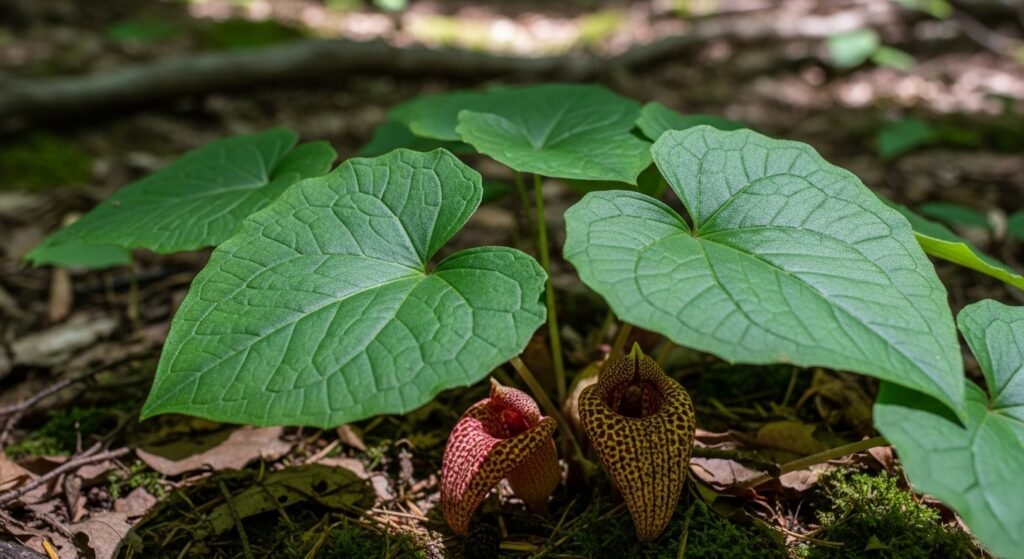
Look for heart-shaped leaves (or kidney-shaped in the European variety) growing in pairs. They are deep green and often glossy. The leaves rise directly from the ground on hairy stems.
2. The Hidden Flower
One of the most unique features is the flower. You won’t see it unless you push the leaves aside. The flower is a small, maroon or brownish cup that blooms at the base of the plant, resting on the soil. It is pollinated by beetles and ants, not bees.
3. The Habitat
Wild ginger loves damp, shaded woodlands with rich soil. It often grows under deciduous trees.
4. Botanical Identification
If you are serious about plant ID, check resources like the Royal Horticultural Society for detailed botanical descriptions. Always be 100% sure of your identification before interacting with any wild plant.
How to Use Wild Ginger in Cooking (And Why You Shouldn’t)
In the past, foragers would harvest the rhizome root in late autumn or early spring. They would scrub it clean and use it in two main ways:
1. Fresh Spice: Chopped finely and used to replace ginger in savoury dishes.
2. Candied Root: Boiled in heavy syrup until tender and sweet.
Modern Advice:
Most foraging experts and health organisations now advise against using wild ginger for culinary purposes. The risk of kidney toxicity is simply too high.
If you are looking for safe wild foods, reliable sources like Food Standards Agency offer guidelines on what is safe to eat. For wild ginger, the consensus is to admire it, smell it, but do not eat it.
Harvesting and Preparation Tips
If you choose to harvest wild ginger (perhaps for a dried potpourri mix or scientific interest), you must follow ethical and legal guidelines.
Foraging Laws UK
In the UK, under the Wildlife and Countryside Act 1981, it is illegal to uproot any wild plant without the landowner’s permission. You can read more about responsible collecting from the Woodland Trust.
Harvesting Steps (Non-Culinary Use)
1. Locate a Patch: Find a large, healthy colony. Never take more than 10% of what you see.
2. Lift the Rhizome: Gently brush away the soil to expose the shallow root system.
3. Cut Carefully: Snip a small section of the rhizome, leaving the rest of the plant intact.
4. Replant: Cover the remaining roots back up with soil and leaf litter.
Safety Warning
If you handle wild ginger, wash your hands afterwards. Some people may develop a skin rash (dermatitis) from the leaves.
The Bottom Line
Wild ginger is a beautiful, aromatic plant that plays an important role in woodland ecosystems. It has a rich history as a spice and medicine, but our understanding of its safety has changed.
Because of the presence of aristolochic acid and the risk of kidney toxicity, it is best to view wild ginger as an ornamental plant rather than food.
If you are looking for shade-loving plants for your garden, Asarum europaeum is a stunning choice that stays green all year round. Just remember to keep it off your dinner plate. For safe foraging, stick to well-known edibles like wild garlic or blackberries, and always consult reputable sources like the National Center for Biotechnology Information for the latest safety studies.
Always prioritise safety over novelty.
Additional Resources
* Wild Ginger Toxicity – FDA Warnings
* UK Wildlife Trusts – Woodland Habitats
* Royal Botanic Gardens, Kew – Asarum Profile