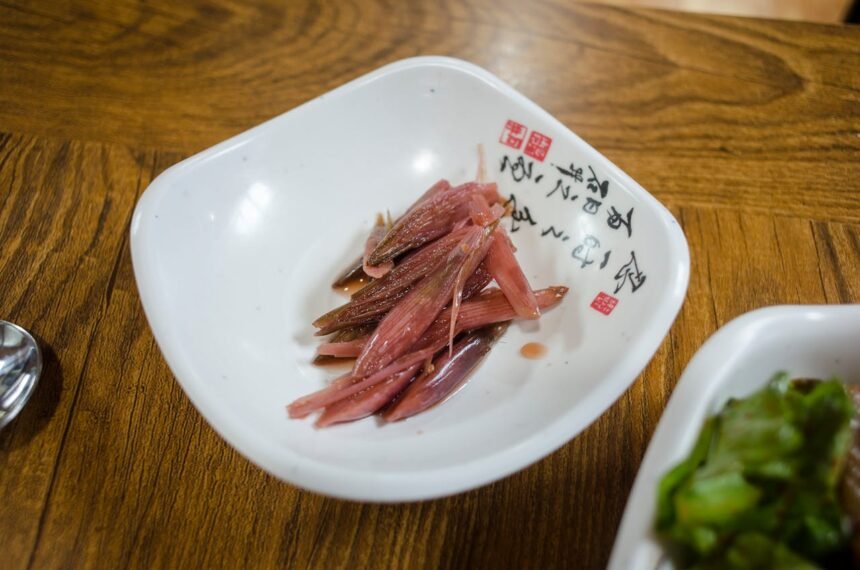
Most of us know pickled ginger as that bright pink pile next to our sushi rolls. It has a sharp, tangy flavour that wakes up your mouth. In Japan, it is known as gari.
While it is famous for being a natural palate cleanser, this spicy condiment is much more than a side dish. It is packed with nutrients and can be used in many different meals. You might be surprised to learn how good it is for your body.
Adding pickled ginger to your daily diet can help with digestion and even fight off germs. Plus, it is very easy to make at home. In this article, we will explore the amazing benefits of pickled ginger and how to use it in your kitchen.
What Is Pickled Ginger (Gari)?
Pickled ginger, or gari, is made from thin slices of young ginger root. These slices are soaked in a solution of vinegar and sugar. This process gives the ginger its sweet and sour taste.
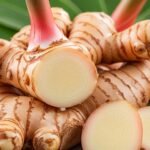
Young ginger is preferred because it has a tender texture. Older ginger can be too tough and fibrous. One common question people ask is about the colour. The difference between pink vs white ginger often comes down to the age of the root or added colouring.
Young ginger naturally turns slightly pink when pickled. However, many commercial brands use artificial dye to make it bright pink. White pickled ginger is usually just standard ginger without dye. Both types taste very similar, but the natural pink version is often prized for its quality.
5 Surprising Health Benefits of Pickled Ginger
Ginger has been used as medicine for thousands of years. When you pickle it, you keep many of these health perks. Here are five reasons to eat more of it.
1. Fights Nausea and Morning Sickness
One of the most famous uses for ginger is settling an upset stomach. Using pickled ginger for nausea relief is a common natural remedy. It works well for motion sickness and even morning sickness during pregnancy.
Studies suggest that ginger helps speed up the emptying of the stomach. This can relieve the feeling of sickness quickly. If you feel queasy, chewing on a piece of gari might help you feel better.
For more on managing nausea naturally, check this guide from the NHS.
2. High in Antioxidants
Ginger is loaded with compounds that protect your cells. The most powerful one is called gingerol. The gingerol antioxidant properties found in pickled ginger help fight inflammation in the body.
Inflammation is linked to many long-term health issues. By eating antioxidant-rich foods, you can lower your risk of illness. It is a tasty way to boost your body’s defences.
3. Aids Digestion
Eating pickled ginger can be a great digestive aid for bloating. The vinegar in the pickle and the ginger itself work together to help break down food. This is why it is served with raw fish.
It helps kill bacteria and warms the stomach. If you often feel heavy after a meal, try eating a few slices of pickled ginger. It may help reduce gas and discomfort.
Read about good digestive health at The British Dietetic Association.
4. Low in Calories
If you are watching your weight, pickled ginger is a safe snack. It is very low in calories but high in flavour. It adds a punch to your meals without adding fat.
Using it as a low calorie sushi garnish is smart, but it works elsewhere too. You can use it to flavour plain rice or vegetables without needing heavy sauces. This makes it a great tool for healthy eating.
5. May Lower Blood Sugar
Some research shows that ginger can help control blood sugar levels. This is helpful for people worried about diabetes. The benefits of eating gari extend to helping your body respond better to insulin.
While it is not a cure, adding it to a balanced diet is a positive step. Always check the sugar content in store-bought versions, as the pickling liquid can be sweet.
Learn more about managing blood sugar at Diabetes UK.
Creative Ways to Eat Pickled Ginger Beyond Sushi
You do not have to wait for sushi night to enjoy this treat. There are many clever ways to use it. Here are some ideas to get you started.
Zest Up Your Salads
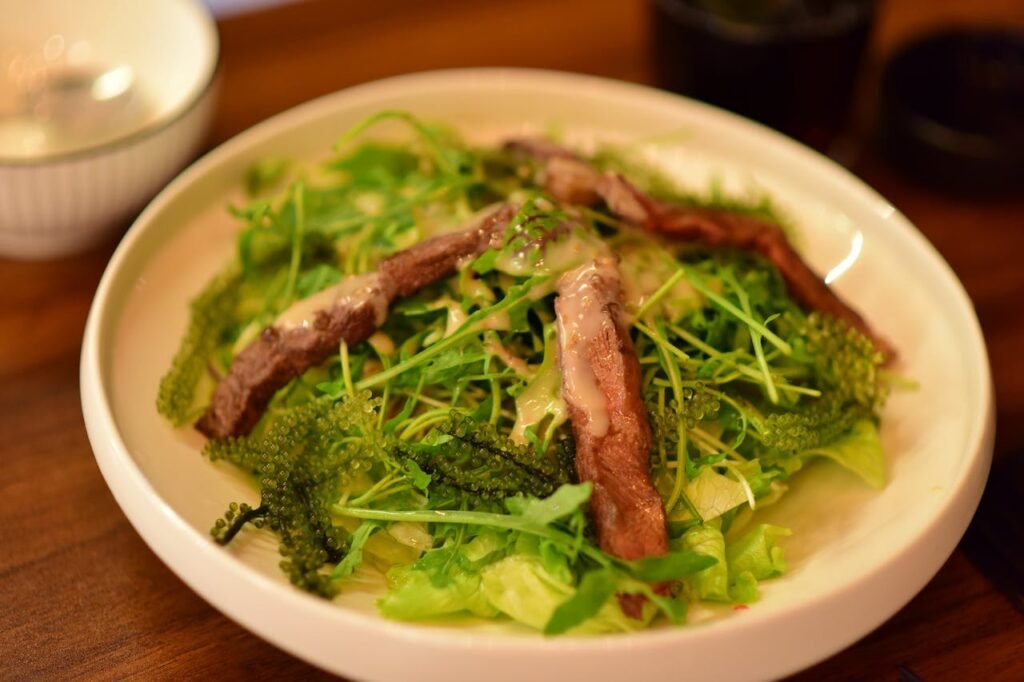
Try adding ginger to salads for a surprising kick. Chop the ginger slices into small pieces. Toss them into a green salad or a grain bowl.
It pairs beautifully with cucumber, carrots, and sesame dressing. The vinegar from the ginger also acts like a dressing, so you can use less oil.
Ginger Infused Drinks
Bartenders are now using ginger in many drinks. You can make ginger infused cocktails or mocktails at home. Drop a slice of pickled ginger into a gin and tonic.
It adds a spicy, savoury note that is very refreshing. You can also add some of the pickling liquid to sparkling water for a quick, non-alcoholic spritzer.
Sandwiches and Wraps
Treat pickled ginger like a pickle in a burger. It cuts through rich flavours like cheese or roasted meat. Add a layer to a chicken sandwich or a vegetable wrap.
The crunch and tang will make your lunch much more exciting. It works especially well with leftover roast pork or grilled tofu.
For more creative food ideas, visit BBC Good Food.
Fresh Ginger vs. Pickled Ginger: What is the Difference?
It is easy to confuse the two, but they serve different purposes. Fresh ginger is a raw root with a very strong, spicy heat. It is usually cooked in curries or teas.
Pickled ginger is softer and has a milder heat. The vinegar and sugar mellow out the spice. While fresh ginger has more raw nutrients, fermented ginger benefits (if fermented traditionally) can include healthy probiotics.
However, most store-bought gari is pickled, not fermented. Both forms are healthy, but pickled ginger is ready to eat straight from the jar.
How to Make Your Own Pickled Ginger at Home
Making it yourself is cheaper and tastier than buying it. Plus, you can avoid artificial dyes. Here is a simple homemade pickled ginger recipe.
Ingredients
* 250g fresh young ginger (look for pink tips)
* 250ml rice vinegar
* 150g sugar (you can use less for a sharper taste)
* 1 teaspoon salt
Instructions
1. Prep the Ginger: Peel the ginger skin with a spoon. Slice it very thinly using a vegetable peeler.
2. Salt it: Sprinkle salt over the ginger and let it sit for 30 minutes. This draws out water.
3. Boil: Squeeze the ginger dry. Boil a pot of water and blanch the ginger for 1 minute. Drain and let it cool.
4. Make the Brine: Mix vinegar and sugar in a pan. Heat until the sugar dissolves. This is your ginger pickling solution.
5. Combine: Put the ginger in a clean jar. Pour the hot liquid over it. Let it cool, then put it in the fridge.
It will be ready to eat in 24 hours. The flavour gets better after a few days.
For food safety tips on pickling, check the Food Standards Agency.
Potential Side Effects and Who Should Avoid It
While ginger is safe for most people, there are some side effects of pickled ginger to watch for. Because it is pickled, it can be high in salt. Eating too much salt can raise blood pressure.
If you have a sensitive stomach, the combination of vinegar and spice might cause heartburn. It is best to stick to a small amount, like one or two tablespoons.
Also, check the ingredients for preservatives. Some people are allergic to sulphites found in commercial pickles.
See advice on salt intake from the British Heart Foundation.
Proper Storage and Shelf Life Tips
Knowing the shelf life of pickled ginger helps you avoid waste. Homemade ginger can last in the fridge for about a month. Store-bought versions can last much longer, often up to six months once opened.
Always use a clean fork to take ginger out of the jar. If you use dirty cutlery, bacteria can get in and spoil it. Keep the lid tight to stop it from drying out.
If the ginger changes colour, smells bad, or gets slimy, throw it away. It is better to be safe than sorry.
For guidance on food storage, look at Love Food Hate Waste.
How to Choose High-Quality Pickled Ginger
Not all ginger is created equal. When shopping, look at the label. Avoid jars with E124 or other artificial red dyes. Natural ginger should be pale yellow or slightly pink.
Check the sugar content too. Some brands use high fructose corn syrup. Look for brands that use real sugar or honey. Organic options are often the best choice for pure flavour.
Also, consider the potassium content in ginger. While small, it adds to your daily intake. Good quality ginger retains more of its natural mineral content.
You can verify nutritional claims at Nutrition.org.uk.
The Bottom Line
Pickled ginger is a versatile and healthy condiment. It is not just a sidekick for sushi. From fighting nausea to adding zing to a salad, it has many uses.
Whether you buy it or make it, it is a great staple to have in your fridge. It is low in calories, high in flavour, and full of antioxidants. Just remember to watch the salt and sugar levels.
Next time you are at the supermarket, grab a jar or some fresh root to pickle yourself. Your meals will be tastier and healthier for it.
For general healthy eating advice, visit the NHS Eat Well guide.