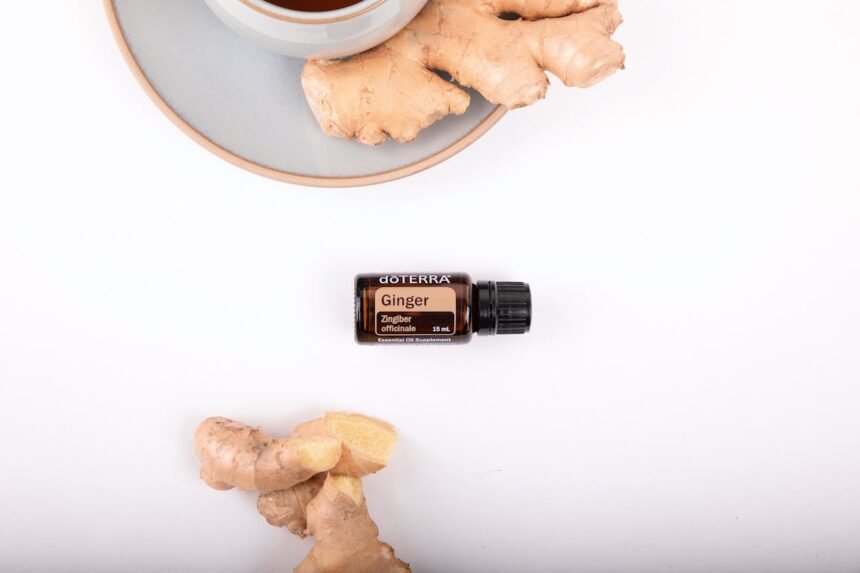
Ginger is a staple in many British kitchens. We love it in our biscuits, our stir-frys, and our morning tea. But did you know that the concentrated oil from this spicy root holds incredible power? Organic ginger oil is much more than just a pleasant food flavouring. It is a potent natural remedy used for centuries to treat everything from upset tummies to aching joints.
This warming oil comes from the root of the Zingiber officinale plant. When extracted properly, it keeps the strong scent and beneficial compounds of the fresh root. Many people are now turning to steam distilled ginger oil as a natural way to support their health. It fits perfectly into a holistic wellness routine.
In this article, we will explore the science-backed benefits of ginger oil. We will also look at simple ways to use it safely at home. Whether you want to alleviate travel sickness naturally or soothe sore muscles, this guide is for you.
Key Takeaways
* Potent Compound: Ginger oil contains high levels of gingerol, a powerful antioxidant and anti-inflammatory agent.
* Digestive Aid: It is one of the best natural remedies for nausea, indigestion, and motion sickness.
* Pain Relief: The warming effect helps soothe muscle pain, arthritis, and menstrual cramps.
* Beauty Booster: It can support scalp health and reduce skin redness.
* Mental Clarity: The scent is known to reduce stress and feelings of anxiety.
What Is Organic Ginger Oil?
Organic ginger oil is an essential oil. It is made from the rhizome, or the underground stem, of the ginger plant. The best quality oil is produced through a process called steam distillation. This method uses steam to pull the essential compounds out of the plant material. The result is a highly concentrated liquid.
This oil is different from the ginger extracts you might find in cooking. It is very strong. A small bottle contains the power of several kilograms of fresh ginger root. The oil is rich in chemicals called sesquiterpenes. It also contains gingerols and shogaols. These compounds give ginger its spicy smell and its health benefits.
When you choose organic ginger root extract, you ensure the product is free from pesticides. This is vital if you plan to use the oil on your skin or inhale it. Non-organic oils may carry traces of harmful farming chemicals. Always check the label to ensure you are getting a pure product.
Soothes Nausea and Improves Digestion
One of the most famous uses for ginger is treating tummy troubles. The oil is just as effective as the fresh root, if not more so. It works by helping to empty the stomach more quickly. This can stop that heavy, bloated feeling after a big meal.
Research has shown that ginger essential oil benefits include reducing nausea from various causes. This includes morning sickness during pregnancy and travel sickness. If you struggle with car rides or choppy boat trips, this oil could be your best friend.
According to the NHS, ginger is a well-known remedy for motion sickness. You can read more about managing motion sickness here.
To use it, you can inhale the scent directly from the bottle. You can also add a drop to a tissue and breathe it in. Some people find that a ginger oil stomach massage helps too. Mix the ginger oil with a carrier oil like coconut or almond oil. Rub it gently over your abdomen in a clockwise motion. This can help calm gas and indigestion quickly.
Another specific benefit is its ability to reduce post-surgery nausea. Many patients feel sick after waking up from anaesthesia. Inhaling ginger oil has been shown to help settle the stomach in these cases. It is a safe and natural option to try alongside standard medical care.
Relieves Muscle Pain and Inflammation
Do you suffer from sore muscles after the gym? Or perhaps you have stiff joints in the winter? Ginger oil is famous for its warming properties. When you apply it to the skin, it increases blood flow to that area. This warmth can help relax tight muscles and ease pain.
The secret lies in the gingerol anti-inflammatory properties. Inflammation is the body’s response to injury, but chronic inflammation causes pain. Gingerol helps to lower the levels of inflammatory chemicals in the body. This makes it a great natural choice for conditions like arthritis or rheumatism.
Organisations like Versus Arthritis note that aromatherapy can be a helpful complementary therapy for managing pain. You can find more details on complementary treatments here.
For a natural remedy for arthritis pain, try blending ginger oil with frankincense or orange oil. Mix these with a carrier oil and massage into painful joints daily. The regular application can help improve mobility over time.
It is not just for chronic pain, either. Topical ginger oil application is excellent for menstrual cramps. Rubbing a diluted blend onto the lower stomach can provide comforting warmth and pain relief.
Promotes Healthy Skin and Hair Growth
Ginger oil is making a name for itself in the beauty world. Its high antioxidant content makes it great for the skin. Antioxidants fight free radicals, which are unstable molecules that cause ageing. By fighting these, ginger oil can help keep skin looking young and fresh.
It also has antiseptic properties. This means it can help clean the skin and kill bacteria. If you are prone to acne or blemishes, a drop of ginger oil in your face wash might help. However, always be careful as it is potent. It can irritate sensitive skin if not diluted well.
For hair, ginger oil for hair thinning is a popular traditional remedy. The idea is that the warming oil stimulates blood flow to the scalp. Better blood flow brings more nutrients to the hair follicles. This can result in stronger, healthier hair strands.
It is also excellent for dandruff. Its antiseptic nature helps clear up scalp infections and flakiness. You can add a few drops to your regular shampoo. Or, create a hair mask with jojoba oil and ginger oil. Massage it into your scalp and leave it for 30 minutes before washing.
For more on the science of ginger, the National Center for Complementary and Integrative Health (NCCIH) provides a great overview of ginger here.

Supports Breathing and Respiratory Health
When you have a cold, your chest can feel tight and heavy. Ginger oil is a fantastic natural expectorant. This means it helps to loosen mucus and phlegm in the throat and lungs.
Using warming essential oil blends containing ginger can make breathing easier. It clears the airways and soothes irritation in the throat. It is particularly helpful for coughs, colds, and even asthma symptoms.
You can use it in a steam inhalation. Add a couple of drops to a bowl of hot water. Cover your head with a towel and breathe in the steam. This method helps to treat respiratory congestion naturally. The steam moisturises the airways while the ginger oil fights the infection.
A study published in the National Library of Medicine highlights the potential of essential oils in respiratory health. You can view the research here.
Reduces Stress and Anxiety
We often think of lavender or chamomile for stress. However, ginger oil is known as the “Oil of Empowerment”. Its scent is strong, spicy, and uplifting. It helps to combat feelings of fatigue and exhaustion.
If you are feeling burnt out or lacking confidence, stress relief aromatherapy oils like ginger can help. It stimulates the mind and restores motivation. It is less about putting you to sleep and more about grounding you.
Research suggests that zingiber officinale oil benefits include reducing anxiety levels. Inhaling the aroma can interact with the limbic system in the brain. This is the area that controls emotions. A quick whiff can shift your mood from anxious to capable.
You can diffuse ginger oil in your home office. It pairs well with citrus oils like lemon or bergamot. This combination creates a bright, energising atmosphere that helps you focus.
For a deeper look at how aromatherapy affects the brain, check out this information from the Aromatherapy Trade Council.
How to Use Ginger Oil Safely
Essential oils are powerful. You must treat them with respect. Organic ginger oil is “hot”, meaning it can burn the skin if used neat (undiluted).
Here are some safety rules:
1. Always Dilute: Never put ginger oil directly on your skin. Mix it with a carrier oil like coconut, jojoba, or sweet almond oil. A safe ratio is usually 2-3 drops of essential oil per teaspoon of carrier oil.
2. Patch Test: Before using it on a large area, do a patch test. Put a tiny amount of the diluted oil on your inner arm. Wait 24 hours to see if there is a reaction.
3. Avoid Sensitive Areas: Keep the oil away from your eyes, nose, and other sensitive parts.
4. Pregnancy and Conditions: If you are pregnant or have a medical condition, talk to a doctor first. While ginger is often safe, high doses of essential oils can be risky.
Expert advice on essential oil safety can be found at the Tisserand Institute.
Aromatherapy for digestive issues can be done safely by using a diffuser. Add 3-4 drops of ginger oil to your diffuser with water. Let the machine run for 30 minutes. This fills the room with the therapeutic scent without direct skin contact.
Potential Side Effects and Precautions
While natural, ginger oil can cause side effects. The most common is skin irritation. If you feel burning or see redness, wash the oil off immediately with a carrier oil (not water).
Some people may be allergic to ginger. If you are allergic to the spice in food, do not use the oil. Also, ginger can interact with blood-thinning medication. It naturally thins the blood, so combining it with drugs like warfarin can be dangerous. Always consult your GP.
Using ginger oil in the sun may also cause sensitivity in rare cases, though this is more common with citrus oils. It is best to apply it in the evening or on areas covered by clothes.
For verified medical information on ginger interactions, you can search the National Library of Medicine.
How to Choose High-Quality Organic Oil
Not all oils are created equal. The essential oil market is not strictly regulated. This means some bottles might contain synthetic fillers or lower quality ingredients.
To ensure you get the best, look for the following:
Latin Name: The bottle should say Zingiber officinale*.
* Purity: It should state “100% pure essential oil”.
* Organic Certification: Look for the Soil Association logo or a similar organic certifier. This guarantees the ginger was grown without harmful pesticides.
* Dark Bottles: Essential oils degrade in light. High-quality oils are always sold in dark amber or blue glass bottles.
The Soil Association sets high standards for organic products in the UK. Buying certified products supports sustainable farming and ensures your safety.
The Bottom Line
Organic ginger oil is a versatile and powerful tool for your wellness kit. From its ability to alleviate travel sickness naturally to its warming effect on sore muscles, it offers a wide range of benefits. Its unique chemical makeup, rich in gingerol, makes it a potent antioxidant and anti-inflammatory agent.
By using it safely and choosing high-quality sources, you can improve your digestion, skin health, and mental well-being. Whether you diffuse it, massage it, or inhale it, this spicy oil is sure to become a favourite in your home.
Always remember to respect its potency. Dilute it well, and enjoy the warming comfort of nature’s best healer.
For further reading on the anti-inflammatory effects of natural compounds, this study from PubMed Central is an excellent resource.