If you want your plants to grow big and strong, the soil you use matters a lot. Many gardeners in the UK are looking for better ways to help their plants without hurting the environment.
For a long time, people used peat moss. But digging up peat is bad for our planet. This is where coconut coir chips come in. They are a brilliant, eco-friendly option that helps plants grow better roots and stay healthy.
Coir chips are not just good for the earth. They are amazing for your garden pots and indoor plants too. They stop the soil from getting too soggy and help air reach the roots.
In this article, we will look at why this material is becoming the top choice for gardeners everywhere.
What Are Coconut Coir Chips?
Coconut coir comes from the thick husk that surrounds the coconut shell. In the past, this husk was just thrown away as waste. Now, we know it is a valuable resource.
The husk can be processed into different textures. You might know ‘coir pith’ or ‘coco peat’, which looks like fine dust. Then there is ‘coir fibre’, which is stringy.
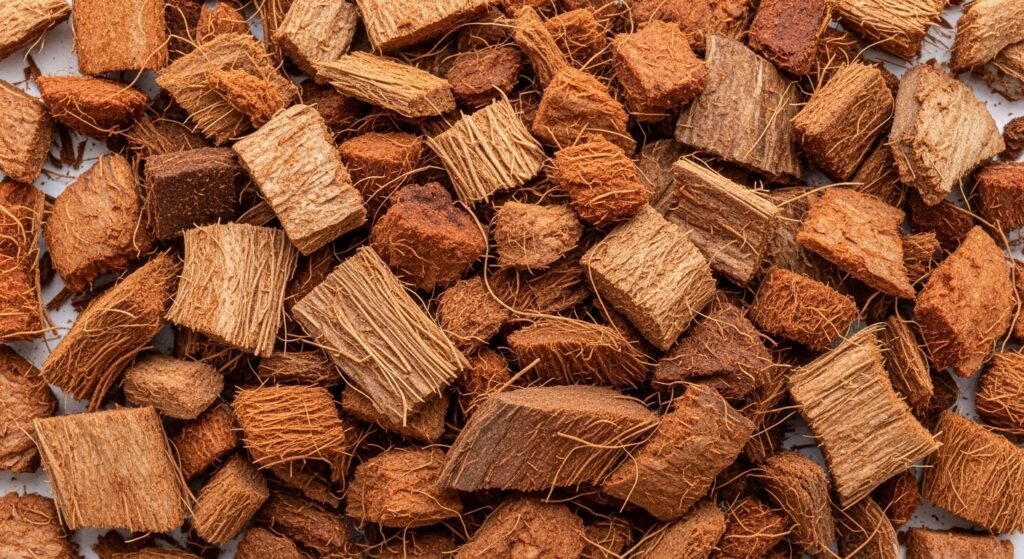
Coir chips are different. They are small, chunky cubes of the husk. Think of them as a coarse organic gardening medium. They act like little sponges in your flower pots. Because they are chunky, they do not pack down tight like ordinary garden soil.
Using this material is a smart move for anyone wanting to switch to eco friendly gardening solutions. It turns a waste product into something useful for nature.
Boosts Airflow and Prevents Waterlogging
One of the biggest killers of house plants is overwatering. When soil gets too wet, it squashes out all the oxygen. Roots need to breathe just like we do. If they sit in water, they can rot and die.
Coir chips are fantastic because of their size. They are large and chunky. When you mix them into your soil, they create big air pockets. This provides excellent aeration for potted plants.
Water flows through these gaps easily. It creates a free-draining environment that is essential for preventing root rot in plants. Even if you accidentally water your plants a bit too much, the extra water drains away fast.
According to the Royal Horticultural Society (RHS), using materials that open up the compost structure is key for healthy root systems.
Holds Moisture for Longer Periods
Even though coir chips drain well, they also hold water. It sounds like a contradiction, but it is true. The material itself is very absorbent. It acts like a sponge.
The chips soak up water and hold it inside. But the outside of the chip stays fairly dry. This means the roots can drink when they are thirsty, but they are not sitting in a puddle.
This balance is perfect for tropical plants. It provides consistent moisture retention for aroids like Monsteras and Philodendrons. You do not have to water as often, which saves you time.
In hot summers, this quality is a lifesaver. Your pots will not dry out completely in a single day. The Royal Botanic Gardens, Kew highlights the importance of water management in sustainable gardening, and coir helps achieve this effortlessly.
A Sustainable Alternative to Peat Moss
For decades, gardeners relied on peat moss. However, peat bogs are vital for our planet. They store massive amounts of carbon. When we dig them up, we release that carbon into the air, which contributes to climate change.
The UK government is moving to ban peat in gardening to protect these habitats. You can read more about these efforts on the Gov.uk website.
Coconut coir chips are a renewable plant substrate. Coconuts grow on trees, and we get a new crop every year. We do not have to destroy a habitat to get them. Using coir is a guilt-free way to garden.
Many environmental groups, such as Garden Organic, encourage gardeners to switch to renewable resources. Coir chips fit this need perfectly.
Naturally Resists Pests and Disease
Nobody likes finding bugs in their house plants. Some soils can harbour pests or fungal diseases. Coir chips have a natural advantage here.
They contain a substance called lignin. This makes them tough and hard to break down. Because of this, bacteria and fungi find it hard to grow on them compared to cheap bark or peat. This makes coir a cleaner hydroponic growing media for indoor setups.
They are also less attractive to pests like fungus gnats. These tiny flies love soggy, rotting soil. Since coir drains so well and the top layer stays drier, the gnats are less likely to lay eggs there.
Research shared by the Soil Association suggests that healthy soil structure supports better plant immunity. By reducing waterlogging, coir keeps plants healthier and more able to fight off illness.
Perfect for Orchids and Aroids
If you grow orchids, you know they hate regular potting soil. In the wild, many orchids grow on trees, not in the ground. Their roots need lots of air.
Coco husk chips for orchids are a top choice among professional growers. The chunks simulate the bark of a tree. They let the thick orchid roots expand and breathe.
Aroids are another group of plants that love this material. This includes popular house plants like the Peace Lily and Anthurium. These plants originate from the jungle floor where the ground is loose and chunky.
Creating a chunky indoor plant potting mix with coir chips mimics their natural home. It allows them to grow faster and produce bigger leaves. The British Orchid Council often discusses suitable media for epiphytic plants, with coarse materials being highly recommended.
How to Prepare and Buffer Coir Chips
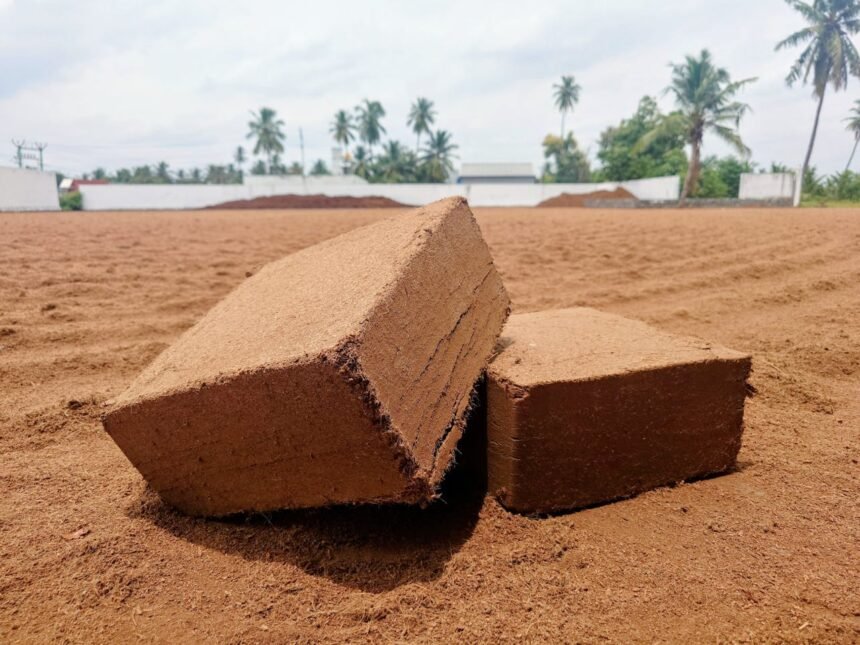
You can buy coir chips in bags, but they often come in compressed bricks. You have to soak them in water to fluff them up. This is easy to do.
However, there is a crucial step called ‘buffering’. Raw coconut husks can contain high levels of salts and potassium. This can sometimes lock out other nutrients like calcium and magnesium, which your plants need.
Buffering coco coir involves soaking the chips in a solution that includes calcium and magnesium (often called Cal-Mag). This balances the chemistry of the chips. It turns them into a true ph neutral soil amendment.
Here is a simple way to prepare them:
1. Hydrate: Soak the brick in water until it expands.
2. Rinse: Wash the chips thoroughly with fresh water to remove salts. Do this until the water runs clear.
3. Buffer (Optional but recommended): Soak in a calcium-magnesium solution for 8-12 hours.
4. Rinse Again: Give them one last rinse.
Proper preparation ensures your soil structure improvement efforts are successful and your plants get all the nutrients they need. For more on nutrient uptake, the BBC Gardeners’ World website offers great advice on mixing your own composts.
Coir Chips vs. Wood Chips
You might wonder if you can just use wood chips or bark instead. They look similar, but they behave differently.
Wood chips break down much faster than coir. As wood rots, it can take nitrogen out of the soil. This steals food from your plants. Coir decomposes very slowly, so it does not rob the soil of nitrogen.
Coir also holds water better than most wood chips. Wood tends to shed water once it gets dry, while coir re-wets easily. This makes coir a more reliable biodegradable garden mulch.
Also, wood chips can sometimes carry diseases from the tree they came from. Coir is usually processed in a way that makes it sterile. The Woodland Trust explains the benefits of mulching, but for indoor pots, coir is often superior to raw wood.
Lastly, coir is cleaner. It does not smell and creates less mess. This is why it is also popular as a substrate for reptile enclosures. The RSPCA advises using appropriate bedding for pets, and coir is often safe and holds humidity well.
The Bottom Line
Coconut coir chips are a brilliant addition to any gardener’s toolkit. They solve the problem of overwatering, help roots breathe, and are kind to the environment.
By choosing this sustainable peat free compost alternative, you are helping to save precious peat bogs while growing healthier plants. Whether you are mixing a custom soil for your Monsteras or looking for a long-lasting mulch, coir chips deliver great results.
Remember to wash and buffer them if you buy compressed bricks. Once you switch to coir, you will likely notice your plants looking happier and more vibrant than ever before. It is a simple change that makes a world of difference.
For more information on sustainable living and gardening, you can visit the National Trust website for further inspiration.