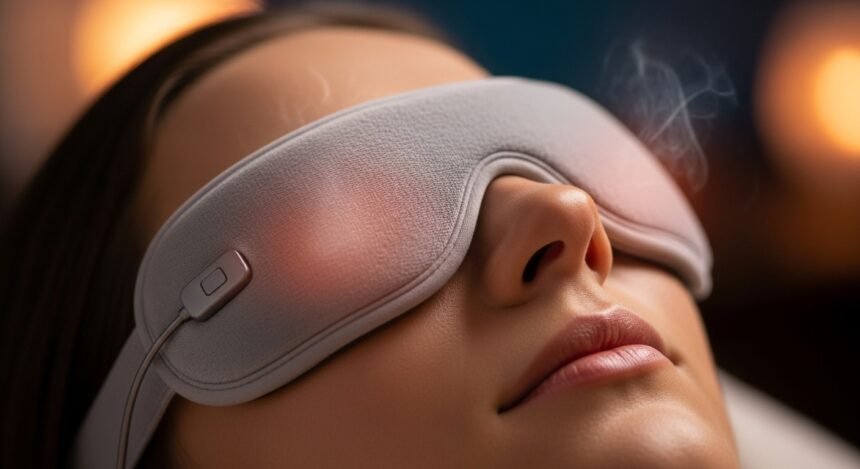
In our modern, screen-filled world, our eyes work harder than ever before. From staring at computer monitors to scrolling through smartphones, the demand on our vision is relentless. This constant activity often leads to discomfort, dryness, and fatigue. Enter the heated eye pad—a simple yet effective tool that is revolutionising home eye care.
Whether you suffer from chronic dry eye conditions or simply want to relax after a long day, understanding the benefits of thermal eye therapy can make a massive difference to your ocular health. In this detailed guide, we will explore everything you need to know about these soothing devices, how they work, and why you might need one.
What is a Heated Eye Pad?
A heated eye pad, often referred to as a heated eye mask or warm compress, is a device designed to apply gentle, consistent heat to the eyelids and surrounding area. Unlike a traditional wet flannel that cools down rapidly, these pads maintain an optimal temperature for a set duration. This sustained heat is crucial for effective treatment.
The primary goal is to warm the eyelids to unclog oil glands, improve circulation, and promote relaxation. They are a staple recommendation from optometrists for soothing tired eyes naturally and managing various eye conditions.
The Science: How Heat Helps Your Eyes
To understand why heat is so beneficial, we must look at the anatomy of the eyelid. The margins of your eyelids contain tiny glands called Meibomian glands. These glands secrete an oil (meibum) that coats the surface of your eye, preventing your tears from evaporating too quickly.
When these glands become blocked or the oil becomes too thick—a condition known as Meibomian Gland Dysfunction (MGD)—tears evaporate rapidly, leading to dry, gritty, and irritated eyes. According to Moorfields Eye Hospital, MGD is a leading cause of dry eye syndrome.
Applying a heated eye pad helps to:
- Melt the Blocked Oil: The heat turns the hardened oil back into a liquid state.
- Improve Flow: Once liquefied, the oil can flow freely onto the eye surface.
- Stabilise the Tear Film: A healthy oil layer prevents tear evaporation.
This process is vital for those trying to treat meibomian gland dysfunction at home effectively.
Key Benefits of Using a Heated Eye Pad
The advantages of incorporating a heated eye pad into your daily routine extend beyond simple comfort. Here are the primary benefits supported by experts.
1. Relief for Dry Eye Syndrome
One of the most common reasons people seek out these devices is to alleviate the symptoms of dry eye syndrome. By restoring the lipid layer of the tear film, heat therapy reduces that scratchy, burning sensation associated with dry eyes. For more on this condition, you can consult the NHS guide on dry eyes.
2. Managing Blepharitis
Blepharitis is an inflammation of the eyelids that causes red, swollen, and itchy eyes. Regular use of a warm compress is the cornerstone of management. Finding the best heated eye mask for blepharitis UK markets have to offer can significantly reduce flare-ups by keeping the eyelid margins clean and clear.
3. Treating Styes and Chalazions
A warm compress for styes is the standard first-line treatment. The heat encourages the stye to drain naturally, speeding up the healing process. The American Academy of Ophthalmology highlights warm compresses as a key remedy for these painful lumps.
4. Relieving Digital Eye Strain
If you spend hours in front of a screen, you are likely familiar with the headache and fatigue that follows. Relieving digital eye strain is easier with heat therapy, as it relaxes the muscles around the eyes and boosts blood circulation.
5. Relaxation and Sleep
Many users find that an eye mask for sleeping and heating capabilities helps them drift off faster. The warmth has a sedative effect, similar to a warm bath, signalling to the body that it is time to rest.

Types of Heated Eye Pads
Not all eye pads are created equal. Depending on your lifestyle and specific needs, you might prefer one type over another. Let’s compare microwaveable vs electric eye masks.
Microwaveable Bead Masks
These are typically fabric pouches filled with beads, seeds (like flaxseed), or silica gel. You heat them in the microwave for 20-30 seconds.
* Pros: deeply penetrating moist heat, generally cheaper, cordless.
* Cons: cool down relatively quickly (10-15 minutes), risk of overheating if not careful.
These serve as excellent reusable eye warmers for quick, daily treatments.
USB and Electric Heated Masks
These masks plug into a USB port or wall socket. They contain a heating element that warms up when powered.
* Pros: consistent temperature for as long as needed, adjustable heat settings, timers.
* Cons: requires a power source (unless battery operated), dry heat (though some allow for moisture).
A USB heated eye mask for dry eyes is often preferred by tech-savvy users or those who need longer treatment times without reheating.
Self-Heating Steam Masks
These are single-use disposable masks that heat up upon opening the packet, reacting with air.
* Pros: extremely convenient for travel, hygienic.
* Cons: expensive over time, environmental waste.
How to Use a Heated Eye Pad Safely
While generally safe, it is crucial to use these devices correctly to avoid injury to the delicate skin of the eyelids. Understanding the safety of heated eye masks is paramount.
Step-by-Step Guide:
- Cleanse: Always start with a clean face. Remove makeup and creams.
- Inspect: Check your mask for tears or exposed wires (if electric).
- Heat: Follow the manufacturer’s instructions. If using a microwave, shake the mask to distribute heat evenly and test it on your inner wrist first.
- Apply: Place the mask over closed eyes. Relax for 10 to 15 minutes.
- Massage: After removing the mask, gently massage the eyelids to express the melted oils. The College of Optometrists recommends this step for maximum efficacy.
- Clean: Wipe the eyelids with a damp cotton pad or specialised lid wipe.
> Warning: Never apply a mask that feels too hot. The skin on your eyelids is much thinner than on the rest of your body.
Cleaning and Maintenance
Hygiene is critical to prevent reinfection, especially if you have blepharitis. You must know how to clean electric eye mask covers and microwaveable bags.
* Removable Covers: Most quality masks come with a removable silk or cotton cover. Wash this regularly in warm soapy water.
* Wipe Down: If the mask is not washable, wipe the surface with an antibacterial cloth, ensuring no moisture enters the electrical components.
* Storage: Store in a clean, dry place (like a pouch) when not in use.
Comparing Heated Pads to Traditional Flannels
For years, doctors recommended soaking a flannel in hot water. While better than nothing, flannels have significant drawbacks:
* Inconsistent Heat: They cool down within two minutes, requiring constant reheating.
* Mess: Water drips down your face and neck.
* Bacteria: Wet cloths can harbour bacteria if not washed at high temperatures.
The electric eye compress benefits clearly outweigh the traditional flannel method by providing a sustained, therapeutic temperature (usually around 40-45°C) for the full 10-minute treatment window required to melt meibum effectively. Research published in the Journal of Optometry suggests that sustained heat is significantly more effective than wet towels.
Who Should Avoid Heated Eye Pads?
While beneficial for most, there are exceptions. Consult an eye care professional if you have:
* Recent eye surgery.
* Acute eye infections (unless advised by a doctor).
* Skin conditions like eczema on the eyelids.
* Diminished sensation in the skin (risk of burns).
Always seek advice from reputable sources like The National Eye Institute if you are unsure about your symptoms.
Choosing the Right Product for You
When selecting a mask, consider the following:
* Material: Silk is hypoallergenic and gentle, while cotton is breathable.
* Fit: An adjustable strap ensures the heating elements sit flush against the eyelids.
* Temperature Control: Essential for electric models to prevent burns.
Versatility:** Can it be used as a *heated eye pad for migraines? Some masks cover the temples and forehead for tension relief.
Frequently Asked Questions
1. Can a heated eye pad damage my eyes?
Used correctly, they are safe. However, excessive heat can cause burns or corneal warping. Always follow the instructions and never sleep with an electric mask turned on unless it has an auto-shutoff feature. For safety standards, you can check resources like UL Solutions for electrical safety marks.
2. How often should I use a heated eye pad for dry eyes?
Most optometrists recommend using it once or twice daily for 10-15 minutes. Consistency is key for managing chronic conditions like MGD. Read more on daily management at Tear Film & Ocular Surface Society.
3. Which is better: microwaveable or USB heated eye masks?
It depends on preference. Microwaveable masks offer moist heat which feels luxurious but cools fast. USB masks offer constant heat which is better for severe blockages. The microwaveable vs electric eye masks debate often comes down to convenience vs. consistency.
4. Can I use a heated eye mask if I wear contact lenses?
No. You must remove contact lenses before applying heat. The heat can dry out the lens or cause it to warp, potentially damaging the eye. See advice from Acuvue or your optician.
5. Can a heated eye pad help with dark circles?
Heat can improve blood circulation, which might help reduce the appearance of dark circles caused by fatigue or poor blood flow. However, it is not a cure-all for pigmentation issues. General eye health tips can be found at Johns Hopkins Medicine.
6. Is it safe to use a heated eye mask during pregnancy?
Generally, yes, as it is a localised treatment. However, always consult your GP or midwife. For general health queries, the NHS Start for Life is a good resource.
Conclusion
Invest in your vision. Whether you are battling the grit of dry eyes or seeking a moment of peace, a heated eye pad is a worthy addition to your wellness toolkit. By understanding the correct usage and choosing the right device, you can enjoy clearer, more comfortable vision for years to come.