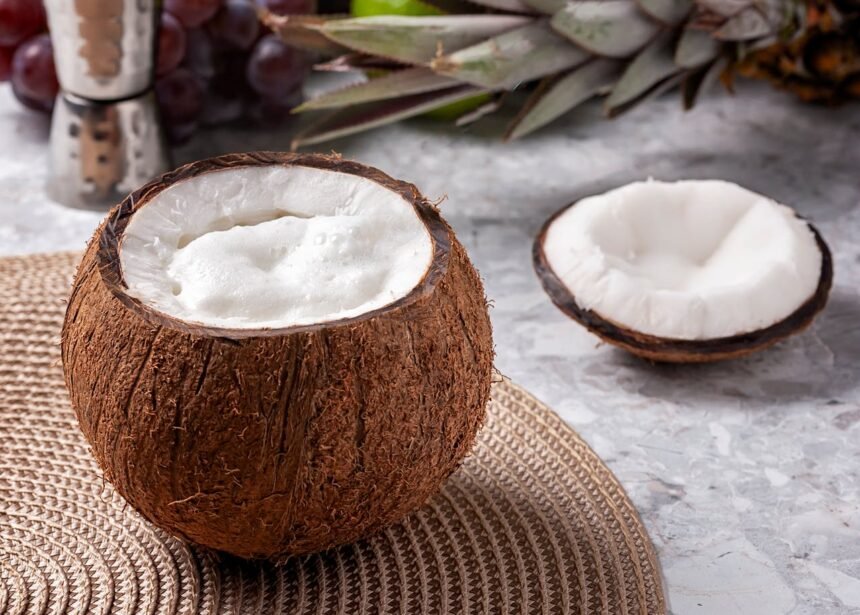
Entering the world of low-carb living often feels like a culinary puzzle. You might wonder how to enjoy your favourite treats without compromising your goals on the ketogenic diet.
Coconut flour has emerged as a superstar in this space. It offers a unique texture and impressive nutritional profile that suits the ketogenic lifestyle perfectly.
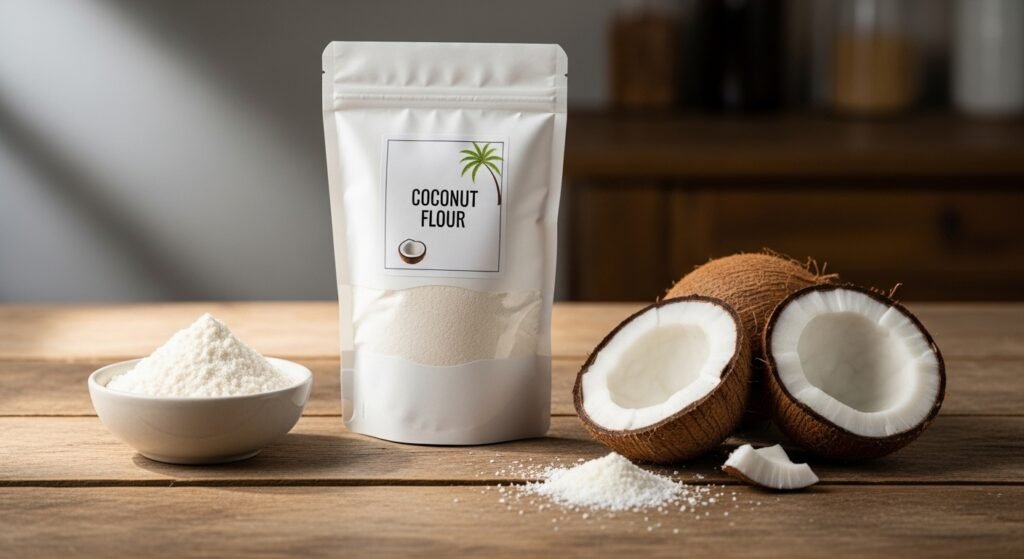
If you are looking for low carb flour substitutes, coconut flour is often at the top of the list. It is made from dried, defatted coconut meat, ground into a fine powder.
This article explores why coconut flour keto is such a popular search term. We will dive deep into the science, the baking techniques, and the benefits of this tropical staple.
Nutritional Overview: Coconut Flour Nutrition Facts
Understanding the coconut flour nutrition facts is the first step for any keto enthusiast. This flour is significantly different from wheat or grain-based flours.
One of the most appealing aspects for those on keto is the coconut flour fibre content. It is remarkably high in indigestible carbohydrates, which helps keep the net carb count low.
| Nutrient (per 100g) | Amount |
|---|---|
| Calories | 443 kcal |
| Total Fat | 15g |
| Total Carbohydrates | 59g |
| Dietary Fibre | 38g |
| Net Carbs | 21g |
| Protein | 18g |
As seen in the table above, the USDA data confirms that while the total carbs seem high, the coconut flour carb count remains manageable due to the high fibre content.
Is Coconut Flour Keto Friendly?
The short answer is yes. However, you must be mindful of portion sizes because the carbs can add up if you consume large quantities.
Because it is so dense, a small amount of coconut flour goes a long way. This makes is coconut flour keto friendly a resounding yes for most moderate keto practitioners.
The Health Benefits of Coconut Flour Keto
Using coconut flour is not just about staying in ketosis. It also provides several health advantages that align with a wellness-focused lifestyle.
Managing Blood Sugar Levels
The coconut flour glycaemic index is notably low. This means it does not cause the rapid spikes in blood sugar often associated with refined wheat flour.
According to Diabetes UK, choosing low-glycaemic foods is essential for long-term metabolic health. This makes coconut flour an excellent choice for those managing insulin sensitivity.
Satiety and Weight Management
Because it is packed with fibre and protein, coconut flour is one of the most filling foods you can include in your diet. It helps you feel full for longer, reducing the urge to snack between meals.
This satiety is a key component of successful weight loss on a keto diet. High-fibre diets are also linked to a more efficient metabolism.
Rich in Medium-Chain Triglycerides (MCTs)
Even in its flour form, coconut contains healthy fats. These are often in the form of MCTs, which are rapidly absorbed and used by the liver for energy.
MCTs can directly support the production of ketones. Research suggests these fats may also have antimicrobial properties that support overall health.
Coconut Flour vs Almond Flour Keto: The Comparison
The debate of coconut flour vs almond flour keto is common in the low-carb community. Both have their merits, but they behave very differently in the kitchen.
- Texture: Almond flour provides a crumbly, nutty texture. Coconut flour is much finer and lighter.
- Nutrient Profile: Almond flour is higher in fat and vitamin E. Coconut flour is higher in fibre and lower in calories.
- Allergies: Many people have a coconut flour allergy or nut allergies. Knowing which one to use is vital for safety.
According to BBC Good Food, choosing between them often depends on the specific recipe and desired calorie density. Almond flour is often easier for beginners, but coconut flour is more cost-effective.
Mastering Keto Baking with Coconut Flour
Baking with this ingredient requires a bit of a learning curve. You cannot simply swap wheat flour for coconut flour in a 1:1 ratio.
The Absorption Factor
The coconut flour absorption rate is incredibly high. It acts like a sponge, soaking up massive amounts of liquid compared to other flours.
Typically, you only need about 1/4 to 1/3 of a cup of coconut flour to replace a full cup of grain-based flour. If you use too much, your keto baking with coconut flour will result in a dry, crumbly mess.
The Role of Eggs and Moisture
Because it is so absorbent, you need to use more liquid and binding agents. A common rule is to use six eggs for every cup of coconut flour.
Eggs provide the structure that gluten normally would. This is essential for gluten-free keto flour alternatives like this one.
Popular Recipes to Try
There are many coconut flour recipes keto followers love. From savoury breads to sweet muffins, the versatility is endless.
- Keto coconut flour pancakes: These are fluffy and light, perfect for a weekend breakfast.
- Keto coconut flour bread: A dense, satisfying loaf that toasts beautifully.
- Muffins and cupcakes: The fine texture works perfectly for delicate sweets.
Digestive Health and the Microbiome
The impact of coconut flour on digestion cannot be overstated. It provides a significant amount of insoluble fibre, which adds bulk to the stool.
As noted in ScienceDirect, this can help promote regular bowel movements. However, if you are not used to high fibre, increase your intake slowly.
Pairing your high-fibre meals with electrolytes and plenty of water is essential. This prevents bloating as your body adapts to the new fibre levels.
Buying and Storing Your Flour
When buying coconut flour UK shoppers should look for organic, non-GMO options. Check the label to ensure no starches or sugars have been added.
Because it is highly absorbent, moisture is the enemy. Store your flour in an airtight container in a cool, dark place.
For maximum freshness, many experts recommend storing it in the fridge or freezer. This prevents the natural oils from going rancid over time.
Economic and Environmental Considerations
Coconut flour is often considered a sustainable product. It is a byproduct of the coconut oil and coconut milk industry.
Using the entire fruit reduces waste. This makes it an environmentally conscious choice compared to crops that require more land and water.
Furthermore, because you use so little per recipe, it is often cheaper per serving than almond flour. Economic efficiency is a major plus for those on a budget.
Common Pitfalls in Keto Baking
One common mistake is neglecting to sift the flour. Coconut flour tends to clump easily in the bag.
Another issue is carb counting errors. Always measure by weight rather than volume for the most accurate results.
Recent studies in Nature highlight how precision in dietary intake is vital for maintaining nutritional ketosis.
FAQ Section
Is coconut flour better than almond flour?
It depends on your needs. Coconut flour is lower in calories and higher in fibre, but it is harder to work with than almond flour.
Can I use coconut flour for breading?
Yes, it makes an excellent gluten-free keto flour coating for chicken or fish. It creates a light, crispy exterior when fried or baked.
Why is my keto bread so wet?
This is usually due to the high moisture content of the eggs. Ensure you are measuring your coconut flour correctly to balance the hydration.
Does coconut flour taste like coconut?
It has a mild, slightly sweet flavour. While the coconut scent is present, it is often masked by other ingredients like vanilla or cocoa.
Is coconut flour okay for a nut-free keto diet?
Coconuts are botanically fruits, not nuts. However, some people with tree nut allergies may still react, so consult a doctor first.
The Bottom Line
Embracing coconut flour keto baking can transform your low-carb experience. It offers a healthy, high-fibre alternative to traditional grains.
By understanding the coconut flour absorption rate and nutritional profile, you can create delicious, satisfying meals. Always monitor your macronutrient intake and enjoy the process of experimenting with this versatile ingredient.
Whether you are making keto coconut flour bread or simply thickening a sauce, this flour is a must-have in any keto kitchen. It supports digestive health, provides stable energy, and keeps your baking gluten-free.