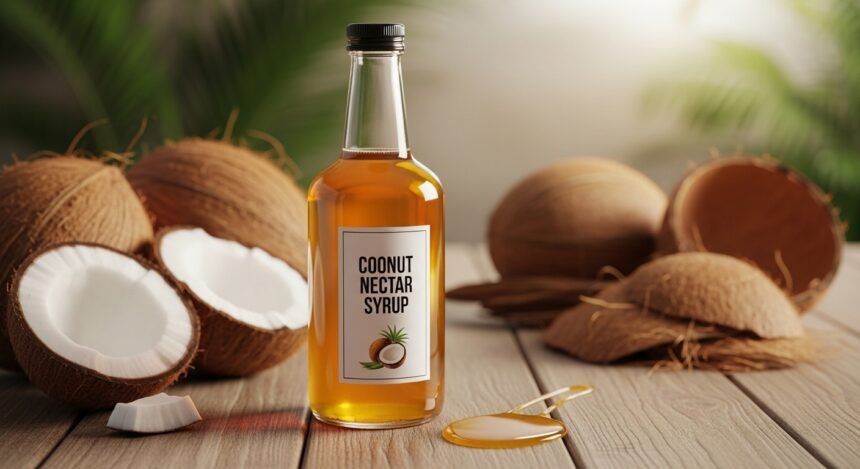
As the world moves away from refined sugars, coconut nectar syrup has emerged as a front-runner in the natural sweetener market. This thick, golden liquid is often referred to as ‘liquid gold’ by health enthusiasts. It offers a unique profile that differentiates it from standard table sugar and even other natural syrups like maple or agave.
Unlike the coconut oil or milk derived from the fruit, this syrup comes from the sap of the coconut flower syrup. The sap is collected by tapping the blossoms of the coconut palm tree. It is then minimally processed to retain its rich nutrient profile and distinct coconut nectar taste.
In this guide, we will explore why organic coconut nectar is becoming a staple in modern kitchens. We will delve into its nutritional density, its impact on blood sugar, and how it compares to other healthy sugar substitutes. For those managing their weight or blood glucose, understanding these nuances is vital for a low-carb diet.
The Fascinating Production of Coconut Nectar
The journey of coconut nectar production begins high in the canopy of coconut palm trees. Skilled harvesters climb these trees to tap the unopened flower buds, known as spadix. A small incision allows the nutrient-rich sap to flow into containers over several hours.
Once collected, the sap is translucent and contains about 80% water. To create the syrup, farmers heat the sap at very low temperatures. This evaporation process removes excess moisture until a thick, viscous liquid remains. This unrefined coconut sugar syrup is never exposed to high heat or harsh chemicals.
Because the process is so gentle, many brands offer raw coconut nectar. This version is particularly prized because the low-temperature evaporation preserves live enzymes and heat-sensitive vitamins. It remains a vegan honey alternative that is both ethical and minimally processed, according to reports from the FAO.
The Sustainability Factor
One of the most compelling reasons to choose coconut blossom syrup is its environmental impact. Coconut palms are incredibly productive trees that require very little water. They can produce sap for over 20 years without needing to be cut down.
Compared to sugar cane, coconut palms produce significantly more sweetener per acre. This makes it a highly sustainable choice for those looking to reduce their ecological footprint. Organizations like Health.gov often emphasize the importance of sustainable dietary patterns for long-term global health.
| Nutrient | Coconut Nectar (per 100g) | Table Sugar (per 100g) |
|---|---|---|
| Potassium | 1,000mg | 0mg |
| Magnesium | 25mg | 0mg |
| Iron | 2mg | 0mg |
| Glycaemic Index | 35 | 65 |
Coconut Nectar Nutrition: What Is Inside?
One of the primary coconut nectar benefits is its impressive nutrient density. Most sweeteners provide ’empty calories’, meaning they offer energy without any vitamins or minerals. However, coconut nectar contains a broad spectrum of essential nutrients that support various bodily functions.
It is particularly rich in potassium, which is essential for maintaining healthy blood pressure levels. You will also find significant amounts of magnesium and zinc. These minerals play a critical role in bone health and immune function, as noted by WebMD.
Furthermore, the syrup contains 17 different amino acids. These are the building blocks of protein and are necessary for tissue repair and neurotransmitter production. The presence of vitamin C and several B vitamins further enhances its profile as a nutrient-dense food choice.
The Role of Inulin
Perhaps the most unique component of this low GI sweetener is a type of fibre called inulin. Inulin acts as a prebiotic, which means it feeds the beneficial bacteria in your gut. Maintaining a healthy microbiome is linked to better digestion and improved mood.
Research published in PubMed suggests that inulin can help slow the absorption of glucose. This is why coconut nectar nutrition is often discussed in the context of blood sugar management. It provides a more stable energy release compared to the ‘spike and crash’ associated with white sugar.
The Glycaemic Index and Blood Sugar
For individuals living with diabetes, the glycaemic index (GI) is a crucial metric. The GI measures how quickly a food raises blood glucose levels. Pure glucose has a rating of 100, while table sugar typically sits around 65.
Coconut nectar syrup has a remarkably low GI of approximately 35. This low rating is attributed to its complex carbohydrate structure and the presence of inulin. When you consume this syrup, your body processes the sugars more slowly, preventing rapid spikes in insulin resistance.
Medical experts at the Mayo Clinic suggest that low-GI diets can help manage weight and reduce the risk of chronic diseases. However, it is important to remember that it is still a form of sugar. Moderation remains the key to maintaining a healthy lifestyle, even when using keto friendly sweeteners.
Comparing Sweeteners: Coconut Nectar vs Agave
When looking for healthy sugar substitutes, many people wonder about coconut nectar vs agave. While both are plant-based syrups, their nutritional profiles and processing methods differ significantly. Agave nectar is often highly processed and consists primarily of concentrated fructose.
High fructose intake has been linked to metabolic issues and liver stress. In contrast, coconut nectar is mostly sucrose with smaller amounts of glucose and fructose. It also retains its mineral content, whereas agave is often stripped of nutrients during production, according to studies found on ScienceDirect.
Because it is less processed, coconut nectar has a more complex flavour profile. It features deep notes of caramel and butterscotch, without being overwhelmingly coconut-like. This makes it a versatile ingredient for those who find the taste of agave too neutral or chemically sweet.
How to Use Coconut Nectar in Your Kitchen
Incorporating coconut nectar recipes into your daily routine is simple. Because it has a consistency similar to honey or maple syrup, it can be used as a direct 1:1 replacement in most recipes. It dissolves easily in both hot and cold liquids, making it ideal for beverages.
Many people use it as a vegan honey alternative on morning porridge or pancakes. It also shines in healthy baking, where its caramel undertones can enhance the flavour of cookies and cakes. If you are looking for inspiration, Healthline offers various guides on healthy swaps.
- Beverages: Stir a teaspoon into coffee, tea, or matcha for a smooth sweetness.
- Dressings: Whisk it with apple cider vinegar and olive oil for a balanced vinaigrette.
- Marinades: Use it to glaze roasted vegetables or plant-based proteins.
- Baking: Replace liquid sweeteners in recipes for brownies or flapjacks.
For those following a specific wellness programme, coconut nectar is often the preferred choice because it is unrefined. It provides that necessary touch of sweetness without the inflammatory effects of bleached sugars. The NHS recommends reducing free sugars, and using a nutrient-dense option is a step in the right direction.
The Science of Prebiotics and Gut Health
We mentioned inulin earlier, but its importance cannot be overstated. As a soluble fibre, inulin helps to stabilise the digestive environment. It is not digested in the upper gastrointestinal tract but reaches the colon intact.
In the colon, it serves as fuel for probiotics like Bifidobacteria. A diet rich in prebiotics can lead to better mineral absorption and a stronger immune system. This makes coconut nectar syrup more than just a sweetener; it is a functional food that supports internal balance.
According to the Cochrane Library, the relationship between fibre intake and metabolic health is well-documented. By choosing a sweetener that contains natural fibre, you are providing your body with tools to manage its internal chemistry more effectively. This is a core principle of nutrient density.
Potential Drawbacks and Considerations
While coconut nectar benefits are numerous, it is essential to keep a balanced perspective. It is still a caloric sweetener. Consuming excessive amounts can contribute to weight gain if not accounted for in your total daily intake.
The WHO suggests that free sugars should make up less than 10% of your total energy intake. Even though coconut nectar is unrefined, it still contributes to this total. Always monitor your portions to ensure you are meeting your health goals without overindulging.
Some individuals may also have a sensitivity to coconut products. While rare, it is always best to introduce new foods slowly. If you have concerns about how sweeteners affect your heart health, consult resources from Harvard Health for evidence-based advice.
FAQ: Everything You Need to Know
Is coconut nectar the same as coconut sugar?
They come from the same sap, but coconut nectar is the liquid form, whereas coconut sugar has been boiled longer and dehydrated into crystals. Both offer similar nutritional benefits.
Does coconut nectar taste like coconut?
Surprisingly, no. It has a rich, earthy, caramel-like flavour. It does not have the strong tropical taste associated with shredded coconut or coconut oil.
Can I use coconut nectar on a keto diet?
While it has a lower GI than sugar, it still contains carbohydrates. Most people on a strict keto diet avoid it, but those on a more flexible ‘low-carb’ plan often use it in small amounts.
How should I store it?
Store your syrup in a cool, dark place. Unlike honey, it does not crystallise easily, but keeping it sealed will preserve its freshness and colour.
Is it better for the environment?
Yes. Coconut palms are ‘trees of life’ that produce more sugar per hectare than cane while requiring fewer resources and no pesticides.
Is it safe for children?
Yes, it is safe for children. Unlike honey, which carries a risk of botulism for infants under one year, coconut nectar does not have this specific restriction, though sugar intake for toddlers should always be minimal.
Is coconut nectar raw?
Many varieties are processed at temperatures below 45 degrees Celsius, meaning they are considered raw coconut nectar and retain active enzymes.
Where can I find it?
You can find organic coconut nectar in health food shops, large supermarkets, or online retailers specialising in natural foods.
The Bottom Line
Coconut nectar syrup is a remarkable alternative to traditional sweeteners. It offers a unique combination of low glycaemic impact, high mineral content, and prebiotic fibre. Its unrefined coconut sugar syrup status makes it a ‘whole food’ sweetener that fits perfectly into a health-conscious lifestyle.
By choosing this vegan honey alternative, you are supporting sustainable farming and providing your body with essential nutrients like potassium and magnesium. Whether you are baking, sweetening your coffee, or crafting a new recipe, it provides a deep, satisfying sweetness that refined sugars simply cannot match.
Remember to consume it as part of a varied diet. While it is certainly a ‘better-for-you’ option, the key to longevity is balance. For more information on improving your diet, explore the wealth of resources at Nutrition.gov. Switch to this liquid gold today and experience the natural benefits of the coconut palm.