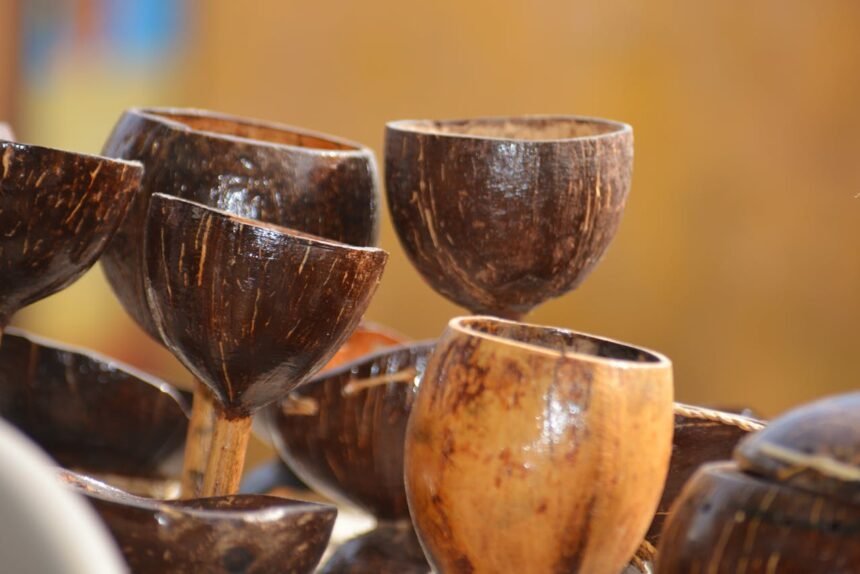
Coconut shell craft is an ancient art form that transforms a humble waste product into intricate masterpieces. For centuries, communities in tropical regions have repurposed these durable hulls to create functional items and decorative ornaments.
Today, this practice is seeing a massive resurgence as people look for zero-waste crafts that align with a modern, eco-conscious lifestyle. It is a wonderful way to combine creativity with environmental responsibility.
Engaging in artisan coconut craft is not just about the final product. It is also about the process of slow, intentional creation which can significantly improve your mental health by reducing stress levels.
Why Choose Coconut Shells?
The coconut shell is one of nature’s most resilient materials. It is naturally resistant to rot, incredibly hard, and possesses a unique grain that becomes beautiful when polished.
Using these shells helps reduce agricultural waste. According to the Food and Agriculture Organization (FAO), millions of tonnes of coconut husks and shells are discarded annually, making this a vital area for upcycling.
Moreover, the shells are completely biodegradable. This makes eco-friendly home decor made from coconuts a much better alternative to plastic-based accessories.
Table of Contents: Navigating Coconut Craft
| Section | What You Will Learn |
|---|---|
| The History of the Craft | Origins and traditional uses across the globe. |
| Essential Tools | The basic kit needed for DIY coconut projects. |
| Preparation Techniques | How to clean and stabilise your shells. |
| Creative Project Ideas | Step-by-step inspiration for hand-carved coconut bowls. |
| Health & Wellness | How crafting supports hand strength and cognitive focus. |
The Rich History of Traditional Coconut Arts
The history of traditional coconut arts is deeply rooted in South Asian and Pacific cultures. Countries like India, Sri Lanka, and Thailand have used coconut shells for everything from kitchen utensils to musical instruments.
In many coastal villages, crafting with coconuts was a communal activity. Families would gather to carve spoons, ladles, and storage jars while sharing stories and passing down coconut craft techniques to the younger generation.
The UNESCO often highlights these types of intangible cultural heritage as vital for community identity. By learning these skills today, you are helping to keep a historical legacy alive.
The Global Shift Toward Sustainability
In the modern era, sustainable kitchenware has moved from niche markets to the mainstream. Consumers are increasingly seeking out items that do not harm the planet.
Organisations like World Wildlife Fund (WWF) advocate for the use of natural materials to protect biodiversity. Coconut shells fit this criteria perfectly as they require no additional land or water to produce.
By choosing tropical home accessories made from coconuts, you are directly supporting a circular economy. This helps divert waste from landfills and reduces the demand for synthetic manufacturing.
Health Benefits of Engaging in Craft
Working with your hands is a proven way to practice mindfulness. Focusing on the tactile sensation of polishing coconut shells can help ground you in the present moment.
This rhythmic activity is similar to how to meditate, offering a mental break from the digital world. It allows the brain to enter a ‘flow state,’ where time seems to disappear and anxiety levels drop.
Furthermore, the precision required for carving helps maintain occupational therapy goals for fine motor skills. It keeps the joints in your fingers flexible and strong.
If you find yourself feeling overwhelmed, a simple craft session can be part of a healthy self-care checklist. Creating something tangible provides a sense of accomplishment that boosts dopamine levels.
Essential Tools for Your Coconut Craft Workshop
Setting up your workspace is the first step toward success. You don’t need expensive machinery to start, but a few craft workshop ideas can help you organise your tools effectively.
- Hacksaw or Coping Saw: Used for cutting the shell into the desired shape.
- Sandpaper: Various grits (from 80 to 1000) are essential for achieving a smooth finish.
- Drill: A small hand drill or power drill is needed for making holes in coconut shell jewelry.
- Clamps: These hold the shell steady while you work, preventing slips and injuries.
- Natural Oils: Food-grade oils are used for the final polishing coconut shells phase.
Always prioritise safety when using sharp tools. Proper stress management involves working in a safe, calm environment where you won’t be rushed.
Step-by-Step: Preparing Your Shell
Before you can start the artistic process, you must properly prepare the raw material. This ensures your durable coconut wood projects last for many years without cracking.
1. Extracting the Husk and Meat
First, remove the outer fibrous husk. Once you have the bare shell, saw it in half to remove the coconut meat, which can be used in your coconut oil benefits diet.
2. Boiling and Cleaning
Boil the empty shells in water for about 20 minutes. This helps loosen any remaining fibres and kills any bacteria or fungi that might be present on the surface.
3. The Sanding Process
Sanding is perhaps the most important part of the craft. Start with a coarse grit to remove the rough outer layer, then move to finer grits until the surface feels like polished stone.
4. Applying the Finish
To make the shell shine, apply a coat of oil or natural resin finishes. This brings out the deep brown hues and provides a protective layer against moisture.
Popular Coconut Shell Craft Projects
There are endless possibilities when it comes to what you can create. Here are some of the most popular DIY coconut projects for beginners and experts alike.
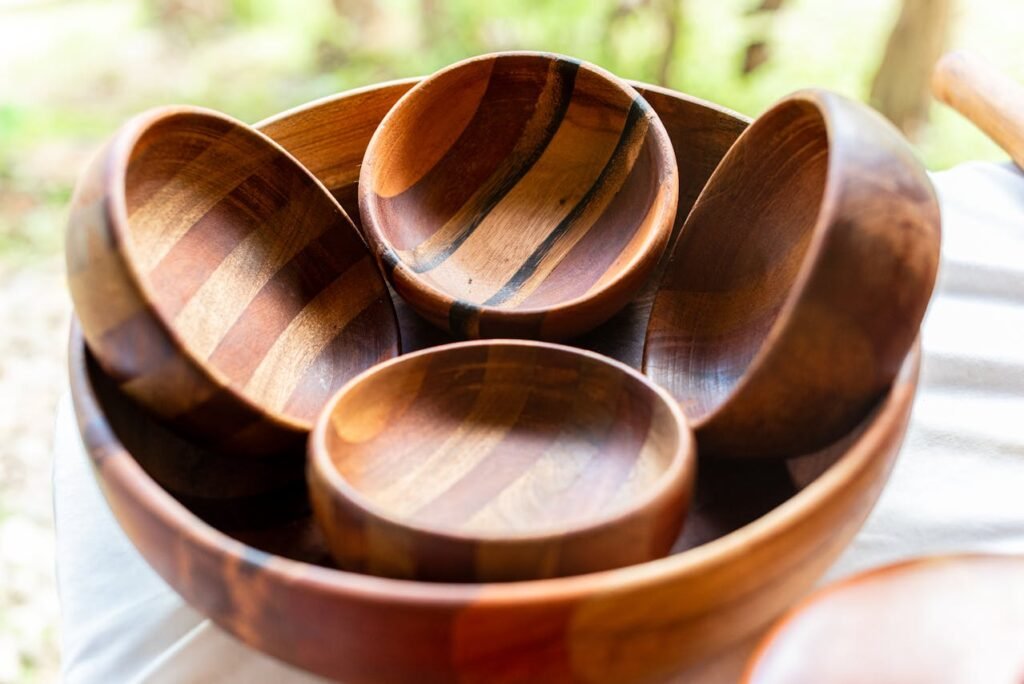
Hand-Carved Coconut Bowls
These are the hallmark of artisan coconut craft. They are perfect for serving smoothie bowls or holding small trinkets like keys and coins.
Because the shell is naturally waterproof, these bowls are highly functional. You can find many unique designs on platforms like Etsy for inspiration.
Eco-Friendly Coconut Shell Jewelry
Small fragments of the shell can be shaped into earrings, pendants, and beads. The dark, natural aesthetic of the shell makes it a staple in bohemian fashion.
Creating jewelry is also a great way to improve anxiety symptoms by giving you a productive, detailed task to focus on.
Coconut Shell Charcoal for Art
Even the scraps don’t have to go to waste. Coconut shell charcoal can be produced by burning off-cuts in a low-oxygen environment, providing a high-quality drawing medium for artists.
This aligns with the UN Sustainable Development Goals by ensuring that every part of the resource is utilised effectively.
Protecting Your Skin While Crafting
When sanding, coconut dust can sometimes cause mild irritation to the skin or respiratory system. It is important to wear a mask and consider your skin barrier health.
Always wash your hands after a crafting session to remove fine particles. If your skin feels dry, using benefits of vitamins in the form of a moisturising cream can help restore hydration.
If you are working outdoors, remember to take breaks. Spending time in the sun while crafting can provide Vitamin D, which is one of the many mental health benefits of nature.
Comparing Finishing Techniques
Choosing the right finish depends on the intended use of your craft. Use the table below to decide which natural resin finishes are right for you.
| Finish Type | Pros | Cons |
|---|---|---|
| Coconut Oil | 100% Food Safe, Natural Look | Needs frequent reapplication |
| Beeswax | Water-resistant, beautiful sheen | Can be sticky if not buffed well |
| Linseed Oil | Deep penetration, very durable | Long drying time |
| Shellac | High gloss, very hard | Not ideal for hot food items |
For more detailed wood finishing tips, the The Spruce Crafts offers excellent technical guides. Choosing the right finish is the final touch in creating high-quality sustainable kitchenware.
The Environmental Impact of Your Hobby
By engaging in coconut shell craft, you are making a political statement against mass-produced plastic. Plastic takes hundreds of years to decompose and often ends up in our oceans.
According to National Geographic, the world is facing a plastic crisis. Every coconut bowl you create or buy is one less plastic container in the waste stream.
Additionally, because coconuts are a renewable resource, their carbon footprint is significantly lower than synthetic materials. This makes them a hero of the zero-waste crafts movement.
Deep Breathing and Crafting
To make your crafting experience even more therapeutic, try incorporating breathing exercises. Inhale deeply as you sand a stroke, and exhale as you move back.
This synchronisation of movement and breath can lower your heart rate. It turns a simple hobby into a holistic wellness practice that benefits the body and mind.
Many artists at the Crafts Council recommend this mindful approach to prevent burnout and keep creativity flowing.
Frequently Asked Questions
Is coconut shell craft difficult for beginners?
Not at all! Start with simple DIY coconut projects like a basic bowl or a tea light holder. As you get comfortable with the tools, you can move on to more intricate designs.
How do I stop my coconut shell from cracking?
Cracking usually happens if the shell dries out too quickly or is exposed to extreme heat. Keep your shell conditioned with oil and avoid putting it in the dishwasher or microwave.
Where can I find raw coconut shells?
You can buy whole coconuts at most grocery stores. Once you’ve enjoyed the water and meat, the shell is yours to keep. You can also find bulk suppliers on Treehugger recommended sites.
Can I use coconut shells for outdoor decor?
Yes, they make excellent bird feeders and plant pots. However, because they are natural, they will eventually weather and break down after several years of exposure to the elements.
Are the dyes used in coconut craft safe?
If you are making sustainable kitchenware, it is best to avoid synthetic dyes. Stick to natural stains like coffee, turmeric, or beetroot juice to keep your items non-toxic.
The Bottom Line
Coconut shell craft is a rewarding, sustainable, and health-promoting hobby. It allows you to transform forgotten waste into beautiful, hand-carved coconut bowls and tropical home accessories.
By mastering these coconut craft techniques, you contribute to a cleaner planet and a calmer mind. Whether you are making a gift for a loved one or a new piece for your home, the humble coconut shell offers infinite possibilities.
Embrace the journey of the artisan coconut craft. Your hands, your health, and the environment will all thank you for it.
For more inspiration on historical crafts and their impact on society, visit the Smithsonian Magazine or check out the Encyclopedia Britannica for the biological properties of the coconut tree.