When you step into your garden, you want to see vibrant plants and healthy soil. Finding the right materials to support this can feel overwhelming with so many options on the shelves.
One of the most effective and eco-friendly choices available today is coconut husk mulch. This natural product is revolutionising the way we approach sustainable gardening.
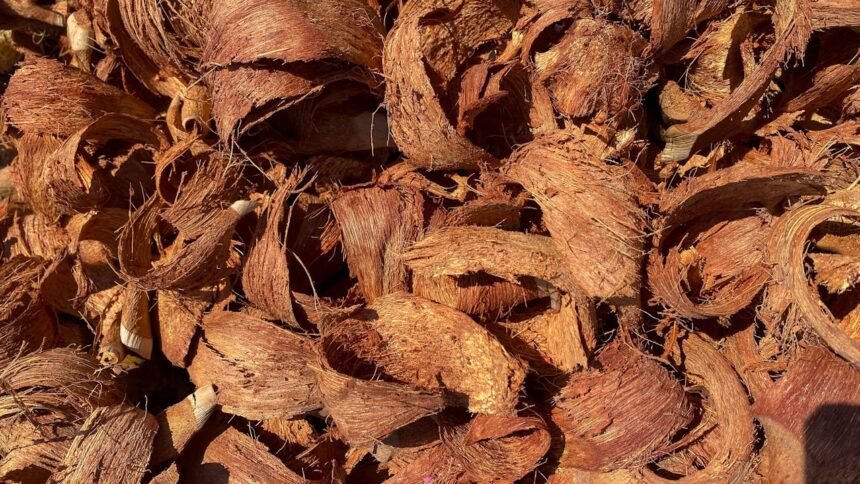
Often referred to as coco coir or coconut coir chips, this material is derived from the outer shell of the coconut. It is no longer just a byproduct of the food industry; it is a premium resource for gardeners.
Using this mulch provides a wide range of husk mulch benefits. It helps regulate soil temperature while providing a clean, aesthetic look to your flower beds.
Comparison of Popular Garden Mulches
To help you decide if this is the right choice for your garden, have a look at how it compares to other common materials in this organic mulch UK guide.
| Mulch Type | Durability | Water Retention | pH Level |
|---|---|---|---|
| Coconut Husk Mulch | 3-5 Years | Excellent | Neutral (5.7-6.5) |
| Wood Chips | 2-3 Years | Moderate | Acidic |
| Straw | 1 Year | Low | Neutral |
| Peat Moss | 1-2 Years | High | Highly Acidic |
As the table shows, coconut husk mulch stands out for its longevity and balanced pH. It is a robust choice for long-term landscaping projects.
What is Coconut Husk Mulch?
This mulch is created by processing the fibrous husks of coconuts. These husks are chopped into various sizes, creating coconut coir chips that vary from small granules to large chunks.
The processing involves washing the husks to remove excess salts. This step is vital because high salinity can harm sensitive plant roots.
Because it is a natural byproduct, it is a leading peat moss alternative. Peat harvesting is often detrimental to the environment, making coconut products a more ethical choice.
Working in the garden to apply mulch is also a great way to improve joint health through low-impact movement.
The Science of Moisture Retention
The primary reason gardeners love this material is its ability to hold water. The sponge-like structure of the husk allows it to absorb up to ten times its weight in moisture.
This moisture retention mulch slowly releases water back into the soil as the plants need it. This reduces the frequency of watering, saving you time and resources.
Unlike wood mulch, which can sometimes repel water when it gets too dry, coconut husks remain absorbent. This ensures that every drop of rain or irrigation reaches the root zone.
Proper hydration for your plants is as important as hydration for your body. Both are essential for growth and vitality.
Key Benefits of Using Coco Coir in Your Garden
Using coconut husk mulch offers more than just hydration. It also acts as a powerful soil aerator. The irregular shapes of the chips create air pockets in the soil.
These pockets allow roots to breathe and expand more easily. Compacted soil is a common problem in many gardens, but coco chips help keep the earth friable and loose.
Another advantage is its role as a pH neutral mulch. Many wood-based mulches become acidic as they decompose, which can alter the soil chemistry.
Coconut husks have a very stable pH, typically between 5.7 and 6.5. This makes them safe for almost any plant, from delicate flowers to hardy shrubs.
Additionally, it provides excellent weed suppression mulch properties. A thick layer blocks sunlight from reaching weed seeds, preventing them from germinating.
Spending time outdoors weeding less and enjoying the scenery more can significantly boost your mental health and well-being.
Eco-Friendliness and Sustainability
Sustainability is at the heart of the sustainable gardening movement. Using biodegradable mulch ensures that you are not adding plastic or harmful chemicals to your land.
Coconuts are a renewable resource. A single tree can produce fruits for decades, and the husks are harvested without harming the tree itself.
By choosing this over peat-based products, you are protecting ancient peat bogs. These bogs are crucial for carbon sequestration, as noted by the Royal Horticultural Society.
It is a responsible choice for any gardener looking to reduce their carbon footprint. Organic gardening also encourages healthy eating if you are growing your own vegetables.
How to Use Coir Mulch Blocks
Many suppliers sell this mulch in compressed coir mulch blocks. These are lightweight and easy to transport, which is great for your back.
To use them, you simply place the block in a large container and add water. The block will expand significantly, often quadrupling in size.
Once expanded, you can spread the material around your plants. For the best results, aim for a depth of two to three inches.
Handling these blocks is a good way to practice walking and lifting, which are essential parts of an active lifestyle.
Advanced Coco Husk Chips Application
When it comes to coco husk chips application, timing is everything. It is best to apply the mulch in late spring or early autumn.
In the spring, it helps trap moisture before the summer heat arrives. In the autumn, it provides an insulating layer to protect roots from frost.
You can also use these chips as potting mix additives. Mixing a small amount into your potting soil improves drainage for indoor plants.
For those interested in modern farming, it serves as an excellent hydro-culture substrate. Its inert nature makes it perfect for hydroponic systems.
Always wear gloves when handling garden materials to maintain good hand hygiene and prevent skin irritation.
Durability and Longevity
One of the standout features of coconut husk mulch is how long it lasts. Because it is high in lignin, it decomposes much slower than straw or bark.
You will likely only need to top up your mulch every three to five years. This makes it one of the most cost-effective garden landscaping materials on the market.
As it does eventually break down, it enriches the soil with organic matter. This cycle of decay supports a healthy ecosystem of beneficial bacteria and fungi.
A healthy garden environment mirrors a healthy gut microbiome, where diversity is the key to success.
Common Uses in Different Garden Settings
Whether you have a small balcony or a sprawling estate, coconut husk mulch is versatile. It is particularly effective for container gardening.
In pots, soil tends to dry out quickly. A layer of coco chips on the surface prevents evaporation and keeps the root ball cool.
It is also popular in orchid cultivation. Orchids require high aeration and moisture, making coconut coir chips the ideal medium for their sensitive roots.
If you are landscaping a pathway, the coarse texture of the chips provides a stable and attractive walking surface. This can encourage more time outdoors, which helps with sleep hygiene.
Protecting Your Plants from Pests
Interestingly, coconut husk mulch can help deter certain pests. Its texture is uncomfortable for soft-bodied insects like snails and slugs.
By creating a barrier around your prize hostas or lettuces, you can reduce the need for chemical pesticides. This supports a more natural and sustainable gardening approach.
While it deters pests, it does not harm beneficial earthworms. In fact, worms often thrive underneath the moist, cool layer provided by the mulch.
A pest-free garden reduces the frustration that can sometimes lead to high blood pressure during stressful tasks.
Addressing Potential Concerns
While the benefits are numerous, there are a few things to keep in mind. Always ensure your mulch has been properly buffered and washed.
Low-quality coconut husk mulch may contain high levels of sodium or potassium. Reputable brands will always state that their product is “washed” or “low EC” (Electrical Conductivity).
If you have sensitive skin, be aware that some people may experience mild allergic reactions when handling dusty garden materials. Using a mask and gloves is a simple precaution.
Always check the source of your garden landscaping materials to ensure they are ethically produced and free from contaminants.
The Role of Mulch in Soil Temperature
Extreme temperatures can shock plant roots. Coconut husk mulch acts as a thermal blanket for the earth.
During the peak of summer, it keeps the soil significantly cooler than exposed ground. In the winter, it retains the earth’s natural warmth.
This stability allows for a longer growing season for many vegetables. Consistent soil temperatures are as important for plants as protecting your skin from the sun is for you.
Consistent care leads to the best results, whether you are tending to your garden or your own health.
FAQ: Everything You Need to Know About Coconut Husk Mulch
Is coconut husk mulch better than wood chips?
Yes, in many cases. It lasts longer, holds more water, and has a more neutral pH compared to many types of wood chips.
Does it attract termites?
No. Unlike certain wood mulches, coconut husk does not contain the cellulose that termites find attractive, making it safer for use near your home.
How thick should I apply it?
A layer of 2 to 3 inches (5 to 7.5 cm) is generally recommended for effective weed suppression and moisture retention.
Can I use it for indoor plants?
Absolutely. It is one of the best potting mix additives for indoor drainage and can also be used as a decorative top-dressing.
Is it safe for pets?
Yes, coconut husk mulch is generally non-toxic to dogs and cats, though you should always prevent them from eating large quantities of any garden material.
Where can I buy it?
You can find it at most garden centres or online retailers specialising in organic mulch UK products.
The Bottom Line
Choosing coconut husk mulch is a win-win for both your garden and the planet. It offers unparalleled moisture retention mulch properties and serves as a long-lasting soil aerator.
By opting for this peat moss alternative, you are contributing to sustainable gardening practices that protect our global ecosystems. Its durability and pH neutrality make it a versatile tool for any horticultural project.
Whether you are using coir mulch blocks for your flower beds or coconut coir chips for your orchids, the results will speak for themselves.
Remember that a healthy garden is a reflection of the care you put into it. Taking the time to select high-quality garden landscaping materials like coconut husk will ensure your green space thrives for years to come.
Gardening is a journey that supports both the earth and your personal fitness goals. Enjoy the process of building a beautiful, sustainable sanctuary.
External Resources for Further Reading
- The History and Production of Coir
- BBC Gardeners’ World: Best Types of Mulch
- National Trust: Going Peat-Free
- Kew Gardens: Sustainable Gardening Tips
- The Soil Association: Sustainable Farming Standards
- University Extension: Mulching the Landscape
- University of Florida: Gardening with Coir
- Oregon State University: Mulch for Healthy Soil
- EPA: The Importance of Peatlands
- Sustainable Gardening Australia: Mulch Guide
- Gardeners’ Weekly: Using Coco Coir
- Cornell Horticulture: Mulching Basics