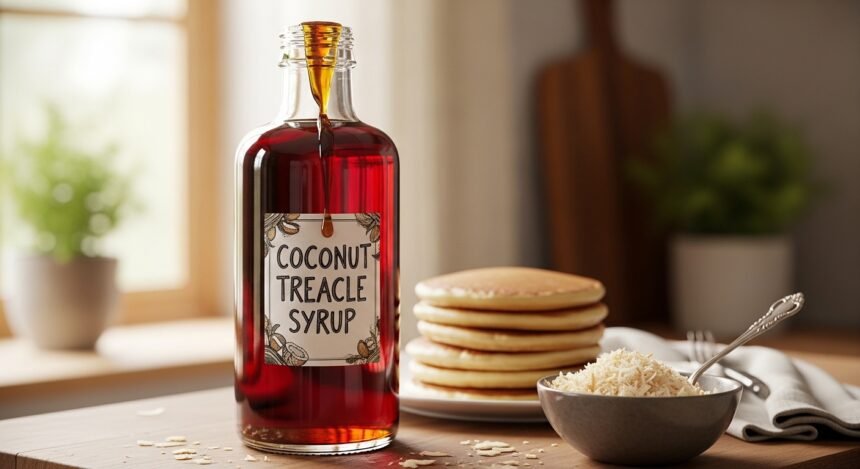
Imagine a sweetener that tastes like a rich blend of butterscotch and smoky caramel but comes directly from the heart of a palm tree. Coconut treacle syrup is exactly that.
It is often referred to as the “liquid gold” of tropical islands, particularly in South and Southeast Asia. This thick, luscious liquid is a natural sap sweetener that has been used for centuries in traditional diets.
Unlike many other sweeteners, it is minimally processed and retains a significant portion of the nutrients found in the original plant. Many health-conscious consumers are now turning to it as a natural sugar substitute.
In this guide, we will explore the production, health benefits, and culinary applications of this incredible syrup. We will also see how it compares to other popular options on the market.
The Difference Between Treacle and Nectar
People often confuse coconut nectar with coconut treacle syrup. While they both come from the same source, the difference lies in the level of reduction.
Nectar is usually the raw, thin sap collected from the blossoms. Treacle is the result of boiling that sap until it reaches a thick, viscous consistency similar to molasses or honey.
This boiling process concentrates the flavours and the minerals, creating a pure coconut flower syrup that is exceptionally deep in colour and taste.
How is Traditional Sri Lankan Syrup Made?
The production of traditional Sri Lankan syrup is an art form passed down through generations. It begins high up in the canopy of the coconut palm.
Skilled workers known as “tappers” climb the trees to reach the flower blossoms, also known as the inflorescence. These blossoms are carefully tied and beaten to stimulate the flow of sap.
The sap is then collected in clay pots or bamboo containers over several hours. This raw sap is sweet, translucent, and highly perishable, according to data from the Food and Agriculture Organization (FAO).
To prevent fermentation, the sap is quickly transferred to large open pans and heated over a wood-burning fire. As the water evaporates, the liquid thickens into an unrefined coconut sweetener.
The process requires constant monitoring to ensure the syrup does not burn. The result is a smoky, complex flavour profile that cannot be replicated in a factory.
This traditional method is recognized for its cultural significance by various international bodies, including UNESCO, as part of intangible heritage in certain regions.
Nutritional Profile of Coconut Treacle
One of the primary reasons people choose this syrup is its impressive nutritional profile. It is a mineral-rich liquid sweetener compared to white sugar.
While white sugar contains virtually no nutrients, organic coconut treacle contains traces of essential elements. These include potassium, magnesium, iron, and zinc.
In fact, the potassium levels in coconut sap products can be quite high. Potassium is vital for maintaining healthy blood pressure levels and supporting potassium benefits for muscle function.
| Nutrient | Coconut Treacle (per 100g) | White Sugar (per 100g) |
|---|---|---|
| Calories | ~300 kcal | 387 kcal |
| Potassium | ~1000 mg | 0 mg |
| Magnesium | ~25 mg | 0 mg |
| Iron | ~2 mg | 0 mg |
| Glycemic Index | ~35-40 | ~65 |
As shown in the table, the mineral content makes it a more functional food than refined alternatives. It also contains amino acids and short-chain fatty acids.
Vitamins and Antioxidants
Research published in the Journal of Food Science suggests that coconut sap products contain various B vitamins. These include B1, B2, B3, and B6.
B vitamins play a crucial role in cellular metabolism and energy production. You can read more about why vitamin B12 and other B vitamins are essential for your health.
Additionally, the syrup contains polyphenols and antioxidants. These compounds help combat oxidative stress in the body, which is a key component of an anti-inflammatory diet.
Top 5 Health Benefits of Coconut Treacle Syrup
Switching to a natural sap sweetener offers more than just a better taste. It can have tangible impacts on your overall well-being.
1. Lower Glycemic Index
One of the most touted low GI syrup benefits is the management of blood sugar. Coconut treacle has a glycemic index (GI) of roughly 35 to 40.
This is significantly lower than white sugar (65) or honey (58). A lower GI means the syrup is a slow-release energy sweetener that doesn’t cause sharp spikes in insulin.
Understanding the glycemic index is important for anyone looking to manage their energy levels throughout the day.
2. Rich in Essential Minerals
As mentioned, the syrup is packed with minerals. Iron is particularly important for oxygen transport in the blood. You can learn about the iron importance for preventing fatigue here.
It also provides magnesium, which is involved in over 300 biochemical reactions in the human body. Check out these magnesium sources to see how it fits into a balanced diet.
3. Supports Digestive Health
Coconut sap contains a type of fibre called inulin. Inulin acts as a prebiotic, feeding the beneficial bacteria in your gut.
A healthy gut microbiome is linked to improved immunity and better mood. Maintaining gut health is a cornerstone of modern wellness according to the National Institutes of Health (NIH).
4. Heart Health Benefits
The high potassium content helps manage sodium levels in the body. This can lead to better blood pressure regulation and overall heart health.
Studies featured on ScienceDirect indicate that natural sweeteners with phenolic content may help protect the cardiovascular system from oxidative damage.
5. Ethical and Sustainable Choice
When you choose an ethically sourced coconut syrup, you are supporting small-scale farmers. Coconut palms are highly productive and require relatively little water compared to sugar cane.
Reports from The Guardian highlight how sustainable palm tapping can provide a steady income for rural communities without harming the trees.
Coconut Treacle vs. Other Sweeteners
How does it stack up against your favourite kitchen staples? Let’s look at the comparison.
Coconut Treacle vs. Honey
While honey is natural, it is not vegan. Coconut treacle is a perfect vegan alternative to honey with a similar texture.
Honey has a distinct floral taste, whereas coconut treacle has a deep, malty flavour. Both have antimicrobial properties, but treacle usually has a lower GI.
Kithul vs. Coconut Treacle
In Sri Lanka, you might encounter Kithul vs coconut treacle. Kithul comes from the Fishtail Palm, while coconut treacle comes from the Cocos nucifera.
Kithul is slightly more herbal and rarer, but organic coconut treacle is more widely available and offers a more consistent caramel-like sweetness.
Refined Sugar
There is no contest here. Refined sugar is