Living with Chronic Kidney Disease (CKD) often requires significant dietary adjustments. However, giving up your favorite comfort foods isn’t always necessary. By understanding the nutritional composition of your meals, you can successfully incorporate understanding your renal diet needs into your everyday life. This comprehensive guide will explore exactly how to make pasta kidney friendly so you can enjoy satisfying meals without compromising your health. According to the National Kidney Foundation, balancing macronutrients and limiting certain minerals is essential for preserving kidney function over time.
Selecting the Best Noodles for Chronic Kidney Disease
When evaluating the pasta aisle, the choices can be overwhelming. The debate regarding white pasta vs whole wheat pasta for kidney disease is a common one among patients. While whole wheat is generally praised for its high fiber content, it typically contains higher levels of phosphorus and potassium, which can be detrimental to compromised kidneys.
Because of this, traditional refined white pasta frequently stands out as the best noodles for chronic kidney disease. For detailed nutritional breakdowns of these grains, patients often refer to the USDA FoodData Central.
If you are in the later stages of CKD, your healthcare provider might recommend a low protein diet benefits approach. In such cases, sourcing low protein pasta for renal patients can be highly beneficial.
These specialized noodles are formulated to limit protein waste buildup in the blood, a principle supported by dietary guidelines from the National Institutes of Health. Additionally, exploring various kidney diet friendly pasta brands that focus specifically on low phosphorus pasta options can make kidney-friendly grocery shopping much easier and less stressful.
Crafting Low Potassium and Low Sodium Sauces
Traditional tomato sauces are notoriously high in potassium, making them challenging for a renal diet. Fortunately, there are many low potassium pasta sauce alternatives that are both safe and incredibly flavorful. Consider using a base of roasted red peppers or a light olive oil drizzle. If you are exploring dietary strategies for stage 3 CKD, switching out tomato sauce is a critical step in managing your lab results.
Creating low sodium pasta dishes for renal diet compliance is equally important. The World Health Organization strongly advocates for widespread sodium reduction to manage blood pressure, which is vital for long-term kidney health. Instead of salt, rely on salt-free seasoning blends. A classic kidney friendly garlic and herb pasta uses fresh garlic, basil, parsley, and a splash of quality olive oil to deliver robust flavor without the dangerous sodium spike. The Mayo Clinic confirms that fresh herbs and spices are excellent substitutes for salt in both cardiovascular and renal care.
Selecting CKD Friendly Pasta Ingredients
To build a nutritionally balanced meal, you must carefully select ckd friendly pasta ingredients. Adding vegetables is a great way to add volume and nutrients, provided you stick to a list of low potassium vegetables. Consider incorporating these into a kidney friendly vegetable pasta recipe:
- Bell Peppers: Low in potassium and high in vitamins A and C.
- Zucchini: A versatile, low-phosphorus vegetable that absorbs sauces beautifully.
- Onions and Garlic: Excellent aromatics for building flavor profiles without added sodium.
When choosing safe pasta toppings for kidney health, you should avoid high-phosphorus cheeses and heavily processed meats. Instead, opt for:
- A light sprinkle of sharp Parmesan (its strong flavor means you can use less).
- Nutritional yeast for a cheese-like, low-sodium kick.
- Fresh herbs like basil, parsley, or oregano.
Managing phosphorus is critical, as explained by the Academy of Nutrition and Dietetics. You may even need to consult a guide on managing phosphorus levels to ensure your toppings align with your current lab results. Furthermore, the American Kidney Fund offers excellent resources on identifying hidden phosphorus in common food additives.
Portion Control and Meal Management
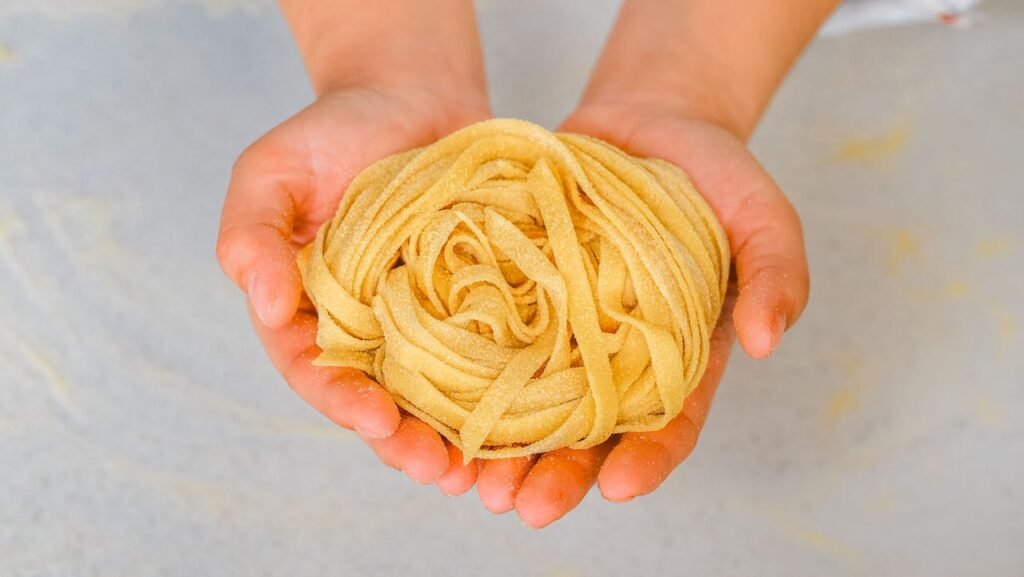
Even with the right ingredients, closely monitoring renal diet pasta portion sizes is imperative. Pasta is calorie-dense, and overeating can lead to weight gain and blood sugar spikes, which complicate CKD management. According to the NIDDK, a standard serving of cooked pasta is about 1/2 cup, though your specific dietary needs may vary. Proper meal prep for kidney disease can help you measure and store appropriate servings in advance, preventing accidental overindulgence.
Successfully managing kidney disease with pasta meals involves looking at the entire plate. Pair your small pasta portion with a generous serving of kidney-safe vegetables and an appropriate portion of high-quality protein, such as chicken or tofu, depending on whether you follow a plant-based renal diets plan. For comprehensive meal planning, consulting a renal dietitian is highly recommended. Dietary experts, like those at DaVita, emphasize individualized nutrition plans based strictly on your specific lab values.
Putting It All Together for Dinner
Finding satisfying kidney friendly pasta recipes for dinner can transform your evening meals from a source of dietary stress into a joyful culinary experience. Consider preparing a lemon-garlic chicken pasta tossed with fresh broccoli florets. By keeping the sauce light and monitoring your sodium, you adhere strictly to renal guidelines. Resources from Healthline highlight how citrus juice and zest can brighten a dish without adding any potassium or sodium.
As you monitor your health, reading your kidney lab results will dictate exactly how strict your dietary limits need to be. Organizations like Kidney Care UK note that dietary restrictions often shift as the disease progresses. What works for one person might not work for another, which is why leading medical institutions like the Cleveland Clinic stress the absolute importance of ongoing medical supervision.
Additional Considerations for a Renal Diet
While focusing on your main course, do not forget about your overall daily intake. If you enjoy a pasta dinner, you might want to balance it with lighter kidney-friendly snacks throughout the day. Furthermore, ensure you are strictly adhering to your fluid intake guidelines, especially if your nephrologist has placed you on a fluid restriction. WebMD provides highly practical tips for managing thirst when fluids are limited.
Dessert is another area where you can make smart, health-conscious choices. Following a pasta meal, consider kidney-safe desserts like a refreshing berry sorbet or a baked apple rather than rich, dairy-heavy sweets. As noted by Medical News Today, avoiding high-dairy desserts helps keep your daily phosphorus and potassium intake safely in check.
Finally, it is worth understanding the role of carbohydrates in your overall diet. While refined pasta is often preferred for CKD, the Harvard T.H. Chan School of Public Health warns that highly refined carbohydrates can negatively impact blood sugar. If you are also managing diabetes alongside CKD, you must carefully balance your pasta intake with low sodium cooking tips and adequate fiber from safe vegetables to prevent dangerous glucose spikes.
Conclusion
Enjoying pasta while managing chronic kidney disease is entirely possible with a little nutritional knowledge and careful preparation. By selecting the right noodles, creating low-potassium sauces, choosing safe toppings, and adhering to strict portion control, you can continue to savor your favorite dishes safely. Always consult with your healthcare team or a registered renal dietitian to ensure your culinary choices align perfectly with your specific medical needs.