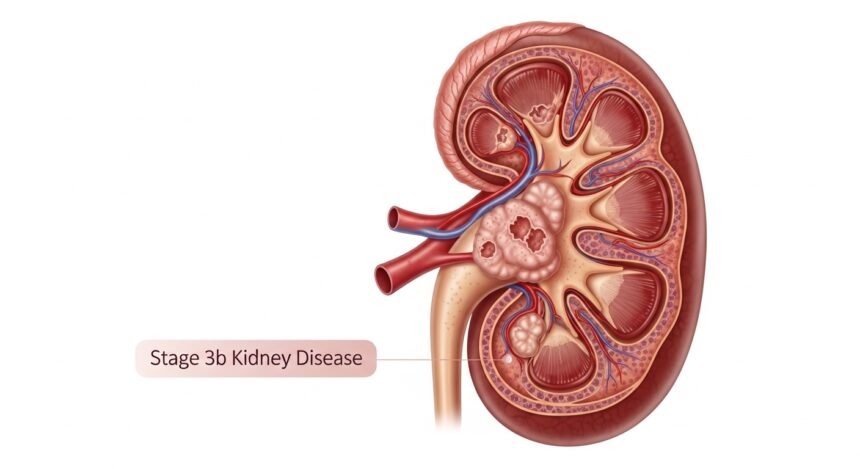
Receiving a chronic kidney disease (CKD) diagnosis can be overwhelming. If you have recently received a diagnosis, you might be wondering exactly what does stage 3b kidney disease mean for your health, lifestyle, and future. At this stage, your kidneys have experienced moderate to severe damage and are not filtering waste from your blood as effectively as they should.
By understanding your eGFR score, you can take an active role in your healthcare. The estimated glomerular filtration rate (eGFR) is a key indicator of renal function. For a comprehensive look at measuring your eGFR, the National Institute of Diabetes and Digestive and Kidney Diseases provides excellent resources.
What is Stage 3b Chronic Kidney Disease?
Kidney disease is categorized into five stages. Medical professionals classify your condition by looking at the stage 3b kidney disease gfr range, which falls strictly between 30 and 44 mL/min. It is important to know the difference between stage 3a and 3b, as Stage 3b indicates a more advanced decline in kidney function than 3a. You can read a thorough overview of Stage 3 CKD provided by the National Kidney Foundation for more clinical context.
Many patients immediately ask about the life expectancy for stage 3b kidney disease. The truth is that prognosis varies widely based on age, underlying conditions, and how well the disease is managed. By taking proactive steps, many people live for decades without ever reaching end-stage renal disease. To learn more about the long-term outlook for CKD, it helps to review data on mortality and survival rates in CKD from peer-reviewed medical journals.
Patients also frequently ask their doctors: can stage 3b kidney disease be reversed? Unfortunately, the physical damage to the kidney filters (nephrons) cannot be undone. However, the progression of the disease can be significantly slowed or even halted with the right interventions.
Recognizing the Signs
In the early stages of CKD, most people experience zero symptoms. However, as function drops into the 30-44 eGFR range, physical warning signs often become apparent. While complete failure happens in Stage 5, the symptoms of stage 3b kidney failure—or advanced renal insufficiency—can begin to disrupt daily life.
Common symptoms include:
- Swelling in the hands, ankles, or feet (edema)
- Changes in urination frequency or foamy urine
- Muscle cramps, particularly at night
- Lower back pain near the kidneys
If you are experiencing these issues, it is crucial to know when to see a nephrologist. You can explore a detailed list of common symptoms of kidney decline through the Mayo Clinic.
One of the most prominent patient complaints is stage 3b kidney disease fatigue, which goes well beyond normal tiredness. Because damaged kidneys produce less erythropoietin (a hormone that tells your body to make red blood cells), anemia often develops. Understanding the impact of kidney disease on energy levels can help you find ways of managing extreme tiredness through medical treatment and rest.
Dietary Adjustments for Kidney Health
Nutrition plays a monumental role in preserving kidney function. Creating a sustainable diet plan for stage 3b chronic kidney disease is one of the most effective ways to reduce the workload on your organs. It is highly recommended to consider working with a renal dietitian to customize your meals. You can also review the basics of a kidney-friendly diet via the American Kidney Fund.
Knowing the specific foods to avoid with stage 3b kidney disease is crucial for preventing the buildup of toxins. Generally, patients need to limit sodium, heavily processed foods, and sometimes phosphorus and potassium. You can find inspiration through various kidney-friendly recipes tailored to these restrictions.
Managing your protein intake for stage 3b kidney disease is a delicate balance. Eating too much protein forces the kidneys to work harder, but eating too little can lead to malnutrition. Clinical studies on protein restriction highlight the importance of moderated intake. Use a tool for calculating daily protein needs to stay on track.
Additionally, as kidney function declines, minerals can build up in the blood. You may need to consult low-potassium food lists and learn about managing phosphorus and potassium to prevent heart and bone complications.

Medical and Lifestyle Management
Learning how to stop stage 3b kidney disease from progressing is the primary goal of your medical team. This requires a multifaceted approach that addresses the root causes of your kidney damage. You can read more about the factors influencing kidney disease progression from the Cleveland Clinic.
Your doctor will discuss various stage 3b chronic kidney disease treatment options tailored to your specific health profile. If diabetes is the root cause, diabetic nephropathy management will be the priority.
There is also a strong, cyclical link between stage 3b kidney disease and high blood pressure. Hypertension damages the kidneys, and damaged kidneys raise blood pressure. Keeping a close eye on your cardiovascular health by tracking your blood pressure is vital. You should familiarize yourself with global hypertension management protocols and aim to meet official blood pressure guidelines to protect your vascular system.
Physical activity is another pillar of health. Finding the best exercise for stage 3b kidney disease involves low-impact activities like walking, swimming, or cycling that boost cardiovascular health without overtaxing the body. Discover safe workout routines and read up on the benefits of exercise for renal patients to get started safely. For a broader view of lifestyle interventions, the CDC outlines fundamental chronic kidney disease basics.
What to Avoid
Protecting your remaining kidney function means avoiding nephrotoxic (kidney-damaging) substances. For instance, you must be aware of the herbal supplements to avoid in stage 3b kidney disease. Many over-the-counter herbs contain hidden potassium or interact negatively with prescription medications. Always check FDA warnings on dietary supplements before taking anything new. Furthermore, routine painkillers can be dangerous; learn the connection between NSAIDs and kidney damage to avoid accidental harm.
Conclusion
Living with a moderate-to-severe kidney condition requires vigilance, but it is entirely manageable. By adhering to standard stage 3b kidney disease management guidelines, you can protect your kidney function and maintain a high quality of life. Make sure you understand your fluid intake guidelines, take your prescribed medications, and attend all nephrology appointments.
For further reading, MedlinePlus offers comprehensive kidney failure information to help you stay educated. Remember, you do not have to navigate this journey alone. Consider finding local support groups to connect with others who truly understand what you are going through.