
Starting the day with a nutritious breakfast is essential, but when you are managing chronic kidney disease (CKD), your morning bowl requires careful consideration. Finding kidney-friendly breakfast cereals for chronic kidney disease can feel overwhelming due to the strict dietary restrictions required to protect renal function. This guide will help you navigate the grocery store aisles with confidence, ensuring your first meal of the day is both safe and satisfying.
Why Cereal Selection Matters for Kidney Health
For individuals with compromised kidney function, filtering out excess minerals from the bloodstream becomes incredibly difficult. Adhering to a specialized kidney disease nutrition plan is crucial to prevent the dangerous buildup of waste. According to the Centers for Disease Control and Prevention’s CKD overview, dietary management is a primary cornerstone of slowing disease progression.
When selecting a morning meal, identifying low phosphorus cereal options for dialysis patients and those in earlier stages of CKD is paramount. Many commercial cereals are heavily fortified with synthetic minerals that the kidneys cannot easily process. Therefore, understanding how to identify low-phosphorus foods is an essential skill for long-term health.
Key Nutrients to Monitor in Breakfast Cereals
To protect your kidneys, you must scrutinize three primary minerals commonly found in breakfast foods: phosphorus, potassium, and sodium.
Phosphorus
Phosphorus is frequently added to highly processed foods as a preservative or flavor enhancer. Because diseased kidneys cannot easily remove excess phosphorus, it can pull calcium from your bones, leaving them weak and brittle. Learning about avoiding hidden phosphorus in breakfast cereals is vital. Always check ingredient lists for words containing “phos.” For more details, you can read our guide on avoiding hidden phosphorus additives. Furthermore, the National Kidney Foundation’s guidelines on phosphorus strongly advise avoiding these dangerous inorganic additives entirely.
Potassium
While potassium is necessary for healthy muscle function, high levels can cause dangerous heart rhythms in CKD patients. When shopping, you must actively seek out the best low potassium cold cereals for renal diet plans. Ingredients like bran, granola, and certain nuts are naturally high in this mineral and should be limited. For a deeper understanding of this balance, review our article on maintaining safe potassium levels in the blood. The American Kidney Fund’s potassium guide also offers excellent, authoritative resources for tracking your daily intake.
Sodium
Excess sodium leads to fluid retention, swelling, and high blood pressure, which further damages delicate kidney tissues. Opting for low sodium breakfast cereals for kidney health can significantly reduce your daily intake. The World Health Organization’s sodium recommendations emphasize keeping dietary sodium as low as possible, a core principle mirrored in any effective low-sodium diet protocol.
Top Cereal Choices for Kidney Health
Navigating dietary restrictions doesn’t mean you have to sacrifice flavor. There are plenty of excellent, kidney-safe choices available on the market today.
- Cold Cereals: Corn flakes, crispy rice cereals, and puffed wheat are generally safe bets. They are typically lower in potassium and phosphorus compared to bran flakes or heavy granolas. When evaluating your options, reading cereal nutrition labels for kidney disease is absolutely critical. The FDA’s guide to nutrition facts labels can help you decode serving sizes and mineral content. If you need further assistance, check out our tutorial on understanding complex nutrition labels.
- Hot Cereals: Warm breakfasts can be incredibly comforting on a chilly morning. Renal diet approved hot cereals, such as cream of wheat, refined oatmeal (eaten in moderation), and corn grits, are excellent pantry staples. For more morning inspiration, explore our collection of renal-friendly breakfast ideas. The NIDDK’s nutrition guidelines for CKD frequently highlight these warm, comforting options as ideal choices.
- Fiber-Rich Options: Constipation is a common issue for renal patients, so finding high fiber renal diet cereal brands that don’t overload your system with potassium is a delicate balancing act. Refined wheat cereals can serve as a good middle ground. You can find more information on balancing this in our article on high-fiber foods for renal patients. The Harvard T.H. Chan School of Public Health’s fiber overview beautifully explains the systemic benefits of adequate daily fiber intake.
- Whole Grains: Can you eat whole grains on a renal diet? Yes, but it must be done carefully. Finding kidney disease safe whole grain cereals requires working closely with a healthcare provider to monitor your lab results. Read more about safely incorporating whole grains into a kidney disease diet. The Academy of Nutrition and Dietetics provides excellent literature on how to safely balance whole grains with strict mineral restrictions.
Smart Shopping and Preparation Strategies
Choosing the right box off the shelf is only half the battle; how you prepare and consume your breakfast matters just as much.
- Mind the Sugar: Many commercial cereals are packed with added sugars, which is particularly dangerous if you suffer from diabetic nephropathy. Always look for sugar-free renal diet cereal choices to protect your blood sugar levels. Managing the intersection of diabetes and kidney disease is crucial, as frequently noted by clinical researchers at Kidney International.
- Portion Sizes: Even a kidney-friendly cereal can become dangerous if you eat too much of it in one sitting. Practicing strict portion control for renal diet cereals ensures you stay within your daily mineral limits. Utilize a portion control sizing guide to measure your meals accurately. The patient advocates at the American Association of Kidney Patients frequently emphasize using actual measuring cups rather than free-pouring your breakfast.
- DIY Options: If you want total control over your morning ingredients, trying homemade renal diet cereal recipes is a fantastic strategy. You can easily mix puffed rice, a touch of cinnamon, and kidney-safe berries like blueberries or raspberries. Discover more homemade renal recipes to expand your culinary repertoire safely. Expert sites like Renal Diet HQ offer great starting points for crafting DIY breakfasts.
Choosing the Right Milk Alternative
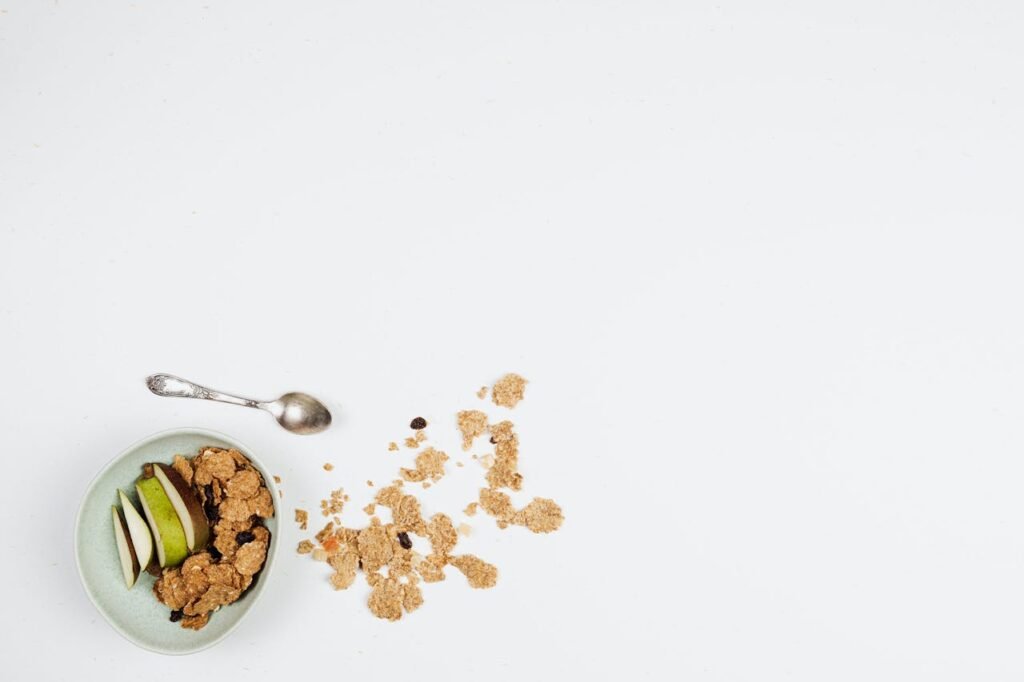
A bowl of cereal is incomplete without milk, but traditional cow’s milk is notoriously high in both potassium and phosphorus. Therefore, selecting the right plant-based milk alternatives for renal cereal is vital to keeping your meal compliant.
Unenriched rice milk, almond milk, or macadamia nut milk are generally considered safe options. However, you must always check the label for hidden phosphorus additives. For a comprehensive breakdown of what to look for, review our list of acceptable renal diet milk substitutes. The dietary experts at DaVita Kidney Care highly recommend unenriched rice milk as the premier choice for cereal pairing.
The Importance of Professional Guidance
Every patient’s lab results are unique, meaning what works perfectly for one person might not be safe for another. Managing phosphorus levels with breakfast cereals requires highly personalized advice. It is highly recommended that you seek out renal dietitian recommended breakfast cereals tailored specifically to your current blood work.
If you haven’t already done so, you should consult a specialized renal dietitian to create a customized meal plan. Medical institutions like Mayo Clinic’s nephrology department and Fresenius Kidney Care stress that individualized dietary counseling is just as important as medical treatment for managing overall CKD symptoms. Additionally, Cleveland Clinic’s kidney health resources provide excellent directories and tips for finding qualified nutrition professionals in your area.
Conclusion
Enjoying a comforting, delicious bowl of cereal is absolutely possible when managing kidney disease. By carefully monitoring your intake of phosphorus, potassium, sodium, and added sugar, you can start your day off right without compromising your health. Remember to read labels diligently, measure your portions accurately, and always consult with your healthcare team to ensure your breakfast choices align perfectly with your specific medical needs.