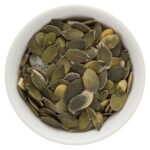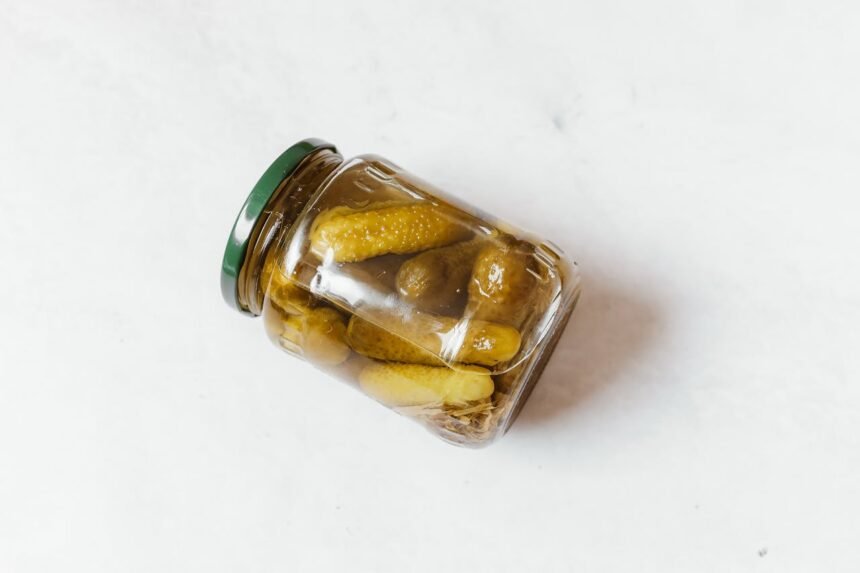
Pickling is a fantastic way to preserve the harvest, reduce food waste, and add a burst of flavour to your meals. At the heart of this process is pickling spice, a fragrant blend of whole spices. Whether you are a beginner or a seasoned preserver, understanding this spice mix can elevate your culinary creations.
What is Pickling Spice?
When exploring preserving garden vegetables, you might wonder what is in traditional pickling spice. Generally, it is a coarse mixture of whole or gently crushed spices. This blend provides the complex, tangy, and aromatic flavours we associate with preserved foods.
Unlike powdered seasonings, whole spices release their flavours slowly. This makes them ideal for the long soaking times required when reducing food waste via pickling.
Core Ingredients and Their Health Benefits
Most commercial and home blends share a common foundation. Mustard seeds are a staple, offering a sharp tang and mild heat. Research shows that mustard seed properties include potent antimicrobial effects. You can learn more about them in our guide to mustard seeds.
Coriander seeds add a bright, citrusy note to the mix. They are also known for promoting healthy digestion, according to insights on coriander benefits.
Other common additions include whole allspice, cloves, and bay leaves. Cloves are packed with antioxidants, as noted by WebMD’s research on cloves. Meanwhile, bay leaf benefits include soothing mild digestive issues.
The overall health benefits of pickling spices are impressive. They can aid digestion and provide anti-inflammatory compounds, making them a great addition to a gut health diet.
How to Make Your Own Blend at Home
Learning how to make homemade pickling spice blend is surprisingly simple. It allows you to control the quality and adjust the flavours to your liking. Creating your own homemade spice blends also ensures maximum freshness.
A basic recipe includes two parts mustard seed, one part coriander seed, and half a part of black peppercorns. If you enjoy cooking with peppercorns, you can experiment with different varieties like pink or green. You might also add crushed bay leaves, allspice berries, and a pinch of dried ginger.
Ginger is excellent for the stomach, supported by clinical data on ginger and digestion. You can also explore allspice benefits to see why it is a staple in these mixes.
Many people ask, do you need to toast pickling spices? While not strictly necessary, toasting them gently in a dry pan enhances their aromatic oils. Culinary experts explain that toasting spices deepens their flavour profile significantly.
If you are sensitive to heat, you can easily create a mild pickling spice without chilli flakes. Simply omit the chilli and increase the coriander, or add a cinnamon stick for a gentle warmth.
Best Uses and Ratios
When preparing cucumbers, finding the best pickling spice for cucumber pickles makes all the difference. A dill-heavy blend with plenty of garlic works wonders here. Ensure you know how to sterilise jars properly before starting your batch.
Getting the balance right is crucial for both flavour and safety. The standard pickling spice ratio for vegetables is roughly one to two tablespoons of spice per litre of liquid. You must also use the correct acid, so consult a guide on the best vinegar for pickling. Always follow canning safety tips to prevent contamination.
There are many pickling spice uses besides pickles, too. You can use it to flavour hearty stews, poach fish, or season complex meat marinades. It is also the secret ingredient in a classic pickling spice for corned beef recipe. If you are planning a Sunday roast, try our slow cooker corned beef, which pairs perfectly with BBC Good Food’s corned beef advice.
Substitutes and Additions
If you find yourself mid-recipe without a pre-made mix, do not panic. A reliable substitute for pickling spice in recipes is a simple combination of whatever whole spices you have to hand. Mustard seeds, peppercorns, and a single bay leaf will usually suffice.
For a fresher flavour profile, consider adding fresh herbs to pickling spice. Sprigs of fresh dill, thyme, or rosemary can completely transform your preserves. If you enjoy gardening, growing fresh herbs gives you an endless supply for your kitchen.
Remember that pickled foods differ slightly from fermented foods. Pickles rely on vinegar for acidity, while fermentation uses naturally occurring bacteria. You can explore the health benefits of fermented foods to understand these differences, as explained by Harvard Health’s guide to fermented foods.
Storage and Shelf Life
To maintain maximum potency, proper storage is absolutely essential. When storing homemade pickling spice mix, use an airtight glass container. Keep it in a cool, dark cupboard away from direct sunlight or the heat of your cooker.
You might wonder, how long does pickling spice last? Whole spices generally retain their flavour for up to two years. However, for the best results, try to use your blend within six months, as noted in our spice shelf life guide. The Spruce Eats also offers excellent advice on proper spice storage.
Buying Guide and Considerations
If you prefer not to make your own, you might ask where to buy whole pickling spice. Most major UK supermarkets stock it in the baking or spice aisles. You can also find high-quality, artisanal blends at local farm shops or specialist online spice merchants.
For those with dietary restrictions, finding gluten-free pickling spice brands is highly important. While spices are naturally gluten-free, cross-contamination can occur during manufacturing. Always check the labels carefully, and consult our gluten-free pantry guide for safe options.
Finally, be mindful of the salt content in your preserving liquids. The NHS salt intake guidelines recommend monitoring your daily sodium closely. You can easily make low-sodium pickles by adjusting your brine recipe.
Always ensure your preserving methods meet standard safety practices. The Food Standards Agency’s hygiene guidelines provide essential reading for home cooks. Additionally, mastering pickling techniques guarantees crisp, safe results every time.
For more detailed ratios, the National Center for Home Food Preservation is an invaluable resource. Once you master the basics, try making our favourite pickled red onions recipe to accompany your next meal.