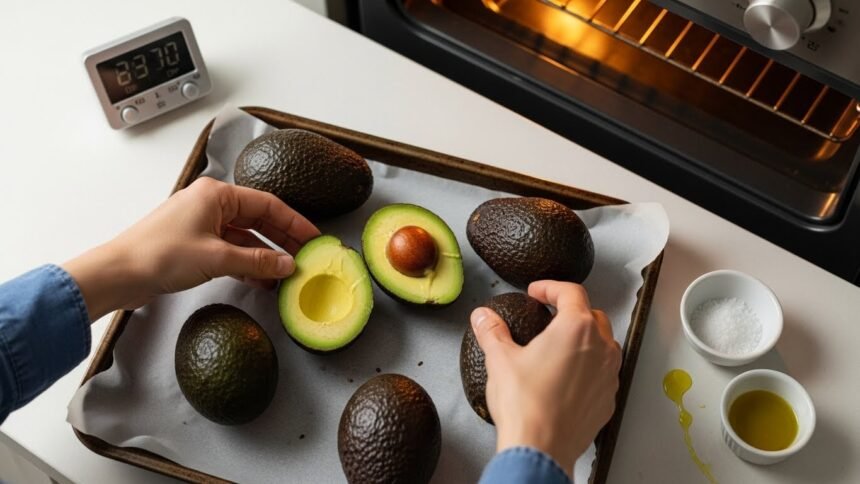
We have all been there. You have planned the perfect taco night or brunch toast, with creamy guacamole as the centrepiece. You reach for the fruit, only to find it is rock-hard and completely unyielding.
The avocado is a notoriously finicky fruit. It seems to stay unripe for days, only to have a window of perfect ripeness that lasts mere hours before turning brown. When you are pressed for time, waiting for nature to take its course is not an option.
This urgency has led to a popular kitchen hack: how to ripen avocados in the oven.
While internet forums praise this method for its speed, the science behind it is a mix of chemistry and culinary compromise. It relies on the manipulation of ethylene gas and heat to accelerate the softening process.
Here is an exhaustive look at the science, the method, and the results of oven-ripening avocados.
Overview: The Science of Ripening
To understand how to ripen avocados in the oven, one must first understand the biology of the fruit itself.
The avocado (Persea americana) is classified as a climacteric fruit. This means it continues to ripen after it has been harvested. Other climacteric fruits include bananas, kiwis, and tomatoes. Non-climacteric fruits, such as grapes or strawberries, do not ripen further once picked.
The primary driver of this ripening process is a natural plant hormone called ethylene gas ($C_2H_4$).
The Role of Ethylene
Ethylene is an odourless, colourless gas produced by the fruit. It acts as a signal to the fruit’s cells to begin the degradation of pectin. Pectin is the structural polysaccharide that holds cell walls together.
As the fruit produces ethylene:
- Enzymatic Activity Increases: Enzymes like polygalacturonase begin to break down the pectin.
- Cell Walls Weaken: The rigid structure of the fruit softens, resulting in the creamy texture we desire.
- Starch Conversion: Starches are converted into sugars, altering the flavour profile.
When you leave an avocado on the counter, it slowly releases this gas. However, the concentration of the gas in the open air is low, leading to a slow ripening process that can take 4 to 7 days.
The Role of Heat
Heat is a catalyst. In almost all chemical reactions, an increase in temperature increases the rate of reaction. By placing the avocado in a warm environment, you are essentially attempting to supercharge the enzymatic activity.
However, the oven method is controversial among food scientists because it blurs the line between “ripening” and simply “cooking.”
Symptoms & Causes: The Hard Avocado
Before discussing the “treatment” (the oven method), it is helpful to identify why your avocado is hard and what is happening internally.
The ‘Hard’ State
When an avocado is unripe:
- High Water Content: The flesh is firm and watery.
- Low Oil Development: The rich, monounsaturated fats have not fully developed their creamy consistency.
- Bitter Phenols: Unripe avocados contain higher levels of phenolic compounds, which can taste bitter or grassy.
Why Ripening Stalls
Sometimes, even after days, an avocado refuses to soften. This can be caused by:
- Cold Storage: If the avocado was stored at near-freezing temperatures during transit, it may suffer from “chilling injury,” permanently halting the enzyme activity required for ripening.
- Early Harvest: If the fruit was picked too early, it may not have reached physiological maturity, meaning it lacks the ability to produce enough ethylene to trigger ripening.
Treatment: How to Ripen Avocados in the Oven
If you need to use the fruit immediately, the oven method is the most aggressive technique available. It essentially forces the fruit to soften by trapping ethylene gas and applying heat.
Follow these specific steps to ensure the best possible outcome.
Equipment Needed
- One hard avocado
- Aluminium foil
- Baking sheet
- Oven
Step-by-Step Procedure
Preheat the Oven: Set your oven to 90°C (200°F). It is crucial not to exceed this temperature. Higher temperatures will cook the fruit, resulting in a roasted flavour rather than a ripened one.
Prepare the Fruit: Do not cut the avocado. It must remain whole to protect the flesh from oxidation (browning).
Wrap Securely: Wrap the avocado tightly in aluminium foil. This is the most critical step. The foil serves two purposes: it traps the ethylene gas close to the skin, concentrating its effect, and it prevents moisture loss.
Bake: Place the wrapped avocado on a baking sheet to prevent it from rolling. Place it in the oven.
Monitor: Check the avocado after 10 minutes. If it is rock hard, it may need up to 60 minutes. Check every 10 minutes by gently squeezing the avocado (using an oven mitt).
Cool Down: Once the fruit yields to gentle pressure, remove it from the oven. Place it in the fridge or leave it on the counter to cool completely before cutting. Cutting a hot avocado can result in a mushy mess.
The Mechanism of Action
By wrapping the fruit, you create an ethylene-rich micro-environment. The heat accelerates the softening of the cell walls. However, unlike natural ripening, this process happens so fast that the starch-to-sugar conversion may not keep up. This leads to the primary side effect: a change in flavour.
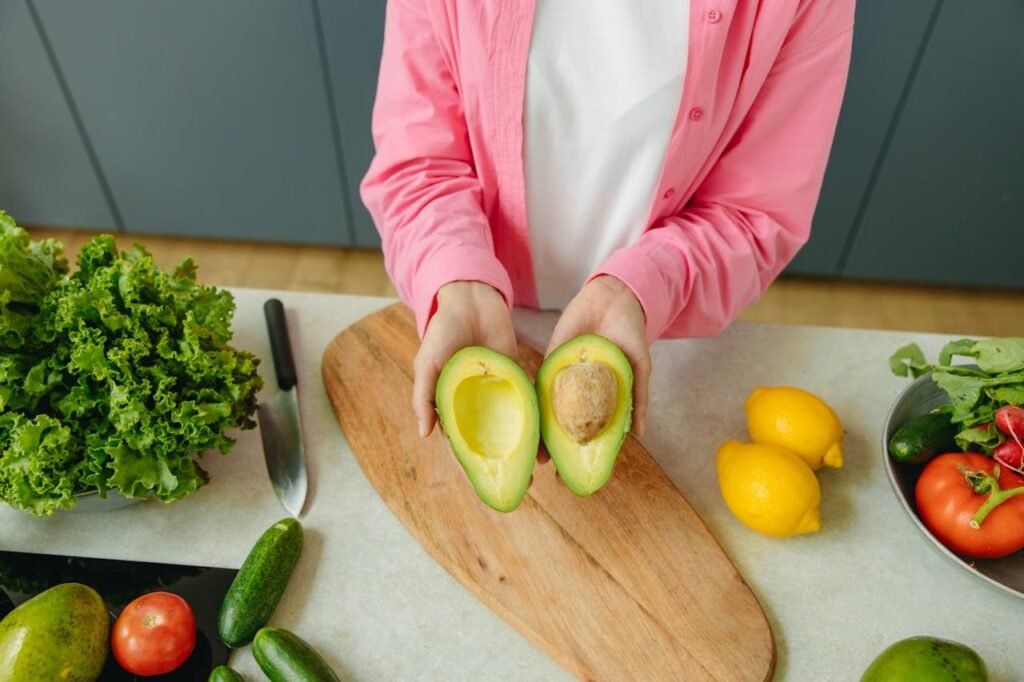
Efficacy and Side Effects: Does it Really Work?
While this method answers the question of how to ripen avocados in the oven, it is important to manage expectations regarding the quality of the fruit.
Texture vs. Flavour
Technically, the heat softens the flesh. To the touch, it mimics a ripe avocado. However, culinary experts and food scientists distinguish between softening and ripening.
- Texture: The heat breaks down the cellular structure. The avocado will be smashable and creamy.
- Flavour: Because the process is rushed, the intricate flavours often fail to develop. You may notice a lack of the signature nuttiness found in naturally ripened fruit.
- Side Effects: Some users report a slightly “cooked” taste. The flesh near the skin may become slightly stringy. The colour remains a vibrant green, but the taste is often described as “grassy” or neutral.
When to Use This Method
This “treatment” is best suited for dishes where the avocado is mashed and mixed with strong flavours, such as:
- Guacamole (with plenty of lime and coriander)
- Avocado smoothies
- Baked goods (brownies or bread)
It is not recommended for:
- Avocado toast
- Salads
- Slicing as a garnish
Alternative Therapies: Other Ripening Methods
If you have more time than an hour but less time than a week, there are gentler alternatives to the oven method that preserve flavour integrity.
The Paper Bag Method (1-2 Days)
This is the gold standard for accelerating ripening.
- Place the avocado in a brown paper bag.
- Add a banana, apple, or kiwi to the bag.
- Fold the top of the bag shut.
Why it works: The companion fruit releases high amounts of ethylene gas. The paper bag traps the gas but is porous enough to allow air circulation, preventing mould. This concentrates the hormone and speeds up the natural process without heat.
The Flour Bowl Trick (2 Days)
Burying the avocado in a bowl of dry flour or uncooked rice traps the ethylene gas similarly to the paper bag method. The dry medium also helps absorb excess moisture, which can prevent the fruit from becoming mouldy while it ripens.
The Microwave Method (Emergency Only)
Some suggest microwaving the avocado for 30 seconds.
Warning: This is generally advised against. The microwave creates uneven pockets of heat, often boiling the internal water of the fruit. This results in a stench of cooked vegetable and a texture that is slimy rather than creamy.
Nutritional Context
Regardless of how you ripen it, the avocado remains a nutrient-dense powerhouse. Understanding its composition helps explain why we go to such lengths to eat it.
Healthy Fats
Avocados are renowned for their high content of monounsaturated fatty acids, specifically oleic acid. This is the same heart-healthy fat found in olive oil. These fats are resistant to heat-induced oxidation, which makes the oven method relatively safe regarding nutrient preservation.
Fibre and Vitamins
A standard serving of avocado provides a significant amount of fibre, which is essential for gut health. They are also rich in:
- Vitamin K: Essential for blood clotting.
- Folate: Crucial for cell repair.
- Vitamin C: A powerful antioxidant.
- Potassium: Avocados actually contain more potassium than bananas.
Heating the avocado in the oven at low temperatures (90°C) for a short duration causes minimal loss of heat-sensitive vitamins like Vitamin C, though some degradation is inevitable compared to raw consumption.
Tips for Buying and Storing
Prevention is the best medicine. To avoid needing the oven method, consider these tips for purchasing and management.
- The Squeeze Test: Gently apply pressure to the neck of the avocado. If it yields slightly, it is ripe. If it feels mushy, it is overripe.
- The Stem Trick: Peel back the small stem cap at the top. If it is green underneath, the fruit is good. If it is brown, the fruit is likely overripe or rotten inside.
- Staggered Buying: Buy avocados at different stages of ripeness. Buy two ready to eat, and two rock hard, ensuring a supply that lasts the week.
- Slowing Down: If your avocados are ripening too fast, place them in the fridge. The cold temperature will nearly halt the ethylene process, keeping them at that perfect stage for an additional 2 to 3 days.
The Bottom Line
Learning how to ripen avocados in the oven is a valuable skill for culinary emergencies. It utilizes the science of ethylene gas entrapment and thermal softening to transform a rock-hard fruit into a usable ingredient in under an hour.
However, it is a compromise.
While the oven method successfully alters the texture, it does not perfectly replicate the complex flavour profile of a naturally ripened avocado. The heat softens the pectin matrix but cannot force the full enzymatic conversion of starches to sugars and fats that occurs over time.
Key Takeaways:
- Use the oven method only when you need mashed avocado immediately for guacamole or baking.
- Use the paper bag method if you can wait 24 to 48 hours, as this preserves the best flavour.
- Avoid the microwave, as it destroys the texture.
- Monitor closely to prevent the fruit from cooking.
Ultimately, patience yields the most delicious results, but science provides a functional backup when dinner simply cannot wait.