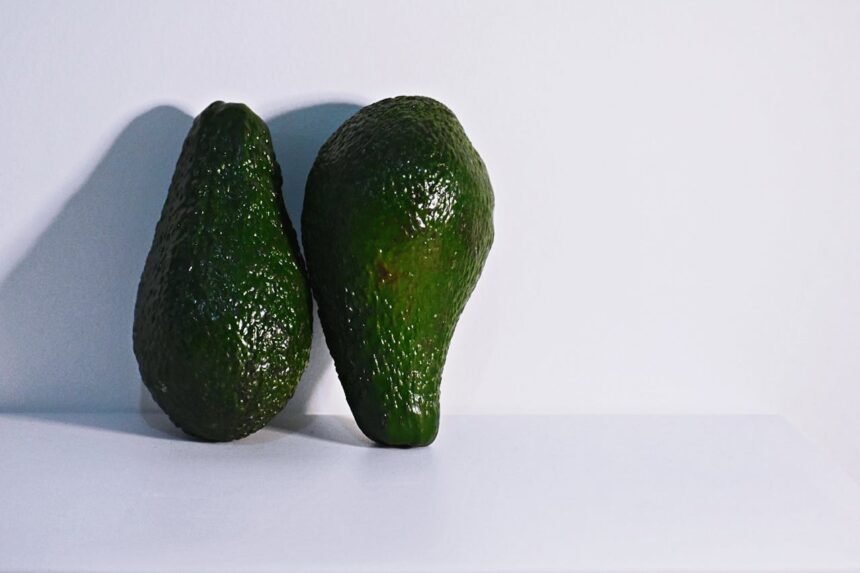
It is a scenario familiar to almost every kitchen in the UK: you slice open a perfectly ripe avocado, use one half for your morning toast, and place the other half in the fridge. By lunchtime, that vibrant green fruit has transformed into an unappealing, brown mush.
Avocados are technically a berry, known for their creamy texture and high monounsaturated fat content. However, they are also notoriously fickle once the skin is broken. Food waste is a significant issue, with WRAP UK estimating that UK households throw away 4.5 million tonnes of edible food a year. A significant portion of this includes fresh produce like avocados that spoil before they can be consumed.
Finding avocado storage containers that work is not just about aesthetics; it is about reducing waste and saving money. With the rising cost of groceries, preserving the life of your produce is essential.
This article reviews the science of avocado spoilage, tests the leading storage solutions, and provides evidence-based tips for keeping your avocados fresh for longer.
Symptoms and Causes of Spoilage
To understand which containers work, we must first understand the biological mechanism of spoilage. You might consider the ‘symptom’ to be the browning, and the ‘cause’ to be basic chemistry.
The Browning Reaction
The rapid darkening of an avocado’s flesh is due to a process called enzymatic browning. Avocados contain an enzyme called polyphenol oxidase (PPO). When the cellular structure of the fruit is damaged—by slicing or mashing—these enzymes are exposed to oxygen in the air.
The chemical reaction converts phenolic compounds in the avocado into quinones, which then polymerise to form melanins. These melanins are the brown pigments you see on the surface.
While brown avocado is generally safe to eat (provided it has not gone rancid or mouldy), the texture often becomes slimy, and the flavour can become bitter. Therefore, the primary goal of any effective storage method is to create an airtight barrier that prevents oxygen from reaching the surface of the fruit.
Factors Accelerating Decay
Aside from oxygen exposure, two other factors play a role in how fast your avocado degrades:
- Temperature: Warmer temperatures accelerate enzymatic activity. This is why refrigeration is crucial once the fruit is cut.
- Ethylene Gas: Avocados produce ethylene, a hormone that triggers ripening. Trapping this gas too tightly without slowing the metabolism (cooling) can lead to over-ripening and rot.
Treatment: Testing Avocado Storage Containers That Work
In our search for the best ‘treatment’ for the oxidising avocado, we tested several styles of containers available on the UK market. We evaluated them based on airtightness, ease of use, and surface protection.
1. Silicone ‘Huggers’
Silicone food huggers have become increasingly popular as a sustainable alternative to cling film. These flexible discs are designed to stretch over the cut face of the fruit.
How they work: By creating a tight seal directly against the flesh, they physically block oxygen from touching the surface.
The Verdict: These are highly effective for avocados that still have the stone (pit) in them. Many brands feature a specific ‘bump’ to accommodate the stone. However, if you have removed the stone, the seal is often compromised, leaving the hollow cavity exposed to air. For halved avocados with the stone intact, these are among the top avocado storage containers that work.
2. The Hard-Shell ‘Keeper’
These are rigid plastic containers, often shaped like an avocado, consisting of a base and a clear lid. Some mechanisms involve snapping the avocado cut-side down into the base.
How they work: They aim to reduce the volume of air surrounding the fruit. Some designs feature a snap-lock system.
The Verdict: While they protect the fruit from getting squashed in a crowded fridge, many generic versions fail to reduce airflow sufficiently. Unless the container has a specific mechanism to press the fruit against the bottom, the trapped air inside the container will still cause browning. We found that brands incorporating a silicone gasket generally performed better than hard-plastic-only models.
3. Vacuum Seal Containers
Vacuum sealing is the gold standard for food preservation. This category ranges from expensive electric vacuum pumps to manual hand-pump canisters.
How they work: You place the avocado inside, close the lid, and extract the air, creating a near-vacuum environment.
The Verdict: In terms of preservation, these are scientifically the most effective. Without air, PPO cannot oxidise the polyphenols. However, they are often bulky and more expensive. For the dedicated avocado consumer, a small vacuum container is a worthwhile investment, keeping the fruit green for up to 3-4 days.
4. The Strap-Down Device
Some newer gadgets feature a flat base with a strap or a plastic ‘seatbelt’ that holds the avocado firmly cut-side down.
How they work: By using tension to press the flesh flat against the base, they minimise oxygen exposure.
The Verdict: These performed surprisingly well. The success relies on the cut of the avocado being perfectly straight. If you have scooped it unevenly, air pockets will form, leading to spotty browning.
Management: Best Practices for Storage
Even with the best avocado storage containers that work, proper management of the fruit is necessary to maintain quality. Think of this as the lifestyle changes required to support the treatment.
Leave the Stone In
There is a pervasive myth that the stone releases chemicals that prevent browning. This is scientifically incorrect. The stone simply acts as a physical barrier, protecting the flesh underneath it from oxygen.
However, leaving the stone in provides a structural advantage for silicone huggers and keeps a large portion of the surface area covered. Always store the half with the stone.
The Lemon Juice Technique
Acidity slows down the PPO enzyme. Brushing a thin layer of lemon or lime juice onto the exposed flesh before placing it in your container adds a second layer of defence.
While effective, this does alter the flavour profile of the fruit. This method is best used if you plan to use the leftovers for guacamole or a dish that benefits from citrus notes.
Avoid the Water Bath Method
A viral social media trend suggested storing avocados submerged in water to prevent oxygen contact. Health authorities strongly advise against this.
According to the FDA and food safety experts, submerged storage can encourage the growth of human pathogens such as Listeria monocytogenes and Salmonella. These bacteria can infiltrate the porous skin of the avocado and multiply in the water, making the fruit unsafe to eat even after peeling. Stick to dry, airtight storage methods.
Tips for Selecting and Ripening
Prevention is better than cure. Managing your avocado supply starts at the supermarket.
Buying for the Week
Avoid buying five ripe avocados at once unless you are hosting a party. Buy avocados at varying stages of ripeness:
- For today: Dark skin, yields to gentle pressure.
- For 2-3 days time: Dark green, firm but with slight give.
- For 5 days time: Bright green, rock hard.
Controlling the Ripening Process
If you need to speed up the process, place the avocado in a brown paper bag with a banana or apple. These fruits emit high levels of ethylene gas, which will trigger the avocado to ripen faster.
Conversely, if your avocados are ripening too quickly, place the whole, uncut fruit in the fridge. The cold temperature significantly slows the metabolic process, buying you an extra 2 to 3 days before they become overripe.
The Bottom Line
Avocados are a nutritional powerhouse, rich in healthy fats, fibre, and vitamins. However, their sensitivity to oxidation requires specific storage strategies to prevent waste.
When looking for avocado storage containers that work, your best options are products that physically eliminate air contact with the fruit’s flesh. Silicone ‘huggers’ are excellent for halves with stones, while vacuum-seal containers offer the most robust protection for all cut types.
Remember that safety comes first. Avoid water storage methods due to the risk of bacterial contamination. By combining the right container with a squeeze of lemon juice and refrigeration, you can enjoy fresh, green avocado for days after cutting.
Investing in a proper storage solution not only keeps your food palatable but also contributes to a sustainable kitchen by reducing unnecessary food waste.