Pregnancy is a journey filled with excitement, anticipation, and, admittedly, a fair amount of anxiety regarding diet. Suddenly, foods you have enjoyed for your entire life become the subject of intense scrutiny.
One moment you are craving a specific flavour, and the next you are frantically searching the internet to see if it is safe for your growing baby. This is entirely normal. We understand that navigating the labyrinth of dietary dos and don’ts can be overwhelming, especially when advice seems contradictory.
Papaya is one of those fruits that sits right at the centre of this confusion. Depending on who you ask or which culture you consult, papaya is either a nutritional powerhouse essential for prenatal health or a dangerous fruit to be avoided at all costs.
So, what is the truth? Is it safe to include this tropical fruit in your pregnancy diet? The answer is nuanced and depends almost entirely on the ripeness of the fruit.
In this article, we will break down the science, the safety, and the benefits of eating papaya while pregnant, helping you make an informed decision for you and your little one.
The Great Papaya Debate: Ripe vs. Unripe
The confusion surrounding papaya stems from the stark chemical differences between the ripe and unripe versions of the fruit. They may look similar in shape, but their internal composition changes dramatically as they mature.
Ripe Papaya (Safe)
Fully ripe papaya, which typically features a bright yellow or orange skin and yields slightly to pressure, is widely considered safe to eat during pregnancy. In fact, it is often encouraged due to its rich nutrient profile.
When papaya is fully ripe, the concentration of latex—a milky white substance found in the plant—drops significantly. This makes it a wholesome option for satisfying those sweet cravings without posing a risk to your pregnancy.
Unripe or Semi-Ripe Papaya (Unsafe)
Conversely, unripe or semi-ripe papaya (often green and hard) is rich in latex. This is where the danger lies. According to research highlighted by the National Center for Biotechnology Information (NCBI), this concentrated latex can mimic the hormones that trigger labour.
Specifically, the latex contains:
- Papain: An enzyme that your body might mistake for prostaglandins, which are used to induce labour.
- Oxytocin-like compounds: These can stimulate uterine contractions.
Because of these properties, unripe papaya has historically been used in traditional medicine across parts of Asia as a natural contraceptive or to induce abortion. While this sounds alarming, it is important to realise that this risk is specifically tied to the unripe fruit.
For a broader understanding of what to avoid, the NHS provides comprehensive lists of foods that require caution during pregnancy.
Nutritional Benefits of Ripe Papaya
If you choose a fully ripe papaya, you are not just avoiding risk; you are actively contributing to your nutritional intake. Pregnancy increases your body’s demand for vitamins and minerals, and papaya is a dense source of several key nutrients.
Here is a breakdown of why ripe papaya can be a brilliant addition to your prenatal diet:
1. Rich in Folate
Folate (Vitamin B9) is arguably the most critical nutrient during pregnancy. It plays a vital role in the development of the foetus’s neural tube, helping to prevent major birth defects of the baby’s brain and spine.
While you should be taking a supplement as recommended by Start4Life, consuming folate-rich foods like papaya adds a natural boost to your levels.
2. Combatting Constipation
Digestive issues are a hallmark of pregnancy, thanks to rising progesterone levels which slow down your digestive tract. Papaya is an excellent source of dietary fibre.
Furthermore, the enzyme papain (present in safe, smaller amounts in ripe fruit) helps break down proteins, easing digestion. The British Nutrition Foundation highlights the importance of fibre in maintaining gut health during these nine months.
3. Immune System Support
Your immune system changes during pregnancy, making you more susceptible to infections. Ripe papaya is loaded with Vitamin C—containing even more than oranges gram for gram.
Vitamin C is essential for tissue repair and bone development for your baby. It also aids in the absorption of iron, another mineral that pregnant women often lack.
4. Vitamin A for Development
Papaya contains beta-carotene, which your body converts into Vitamin A. This is crucial for the development of your baby’s eyes, skin, and immune system.
However, it is important to get Vitamin A from food sources rather than high-dose supplements, as noted by the Royal College of Obstetricians and Gynaecologists (RCOG), to avoid toxicity.
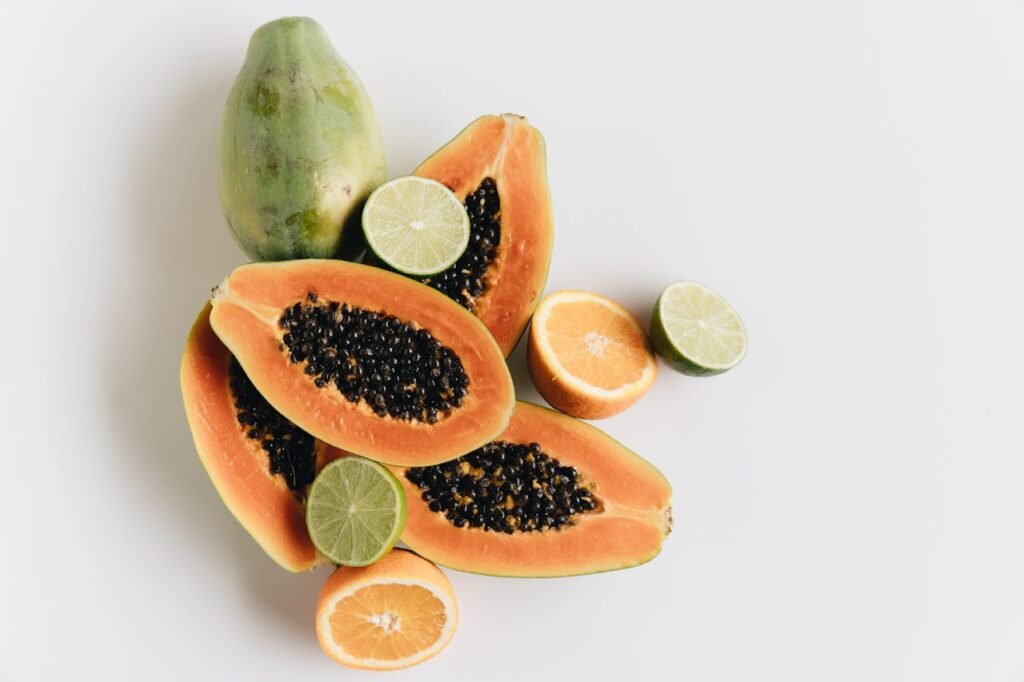
Comparison: Ripe vs. Unripe Papaya
To help you visualise the differences and make the safest choice, we have compiled a quick reference table comparing the two states of the fruit.
| Feature | Ripe Papaya (Safe) | Unripe/Semi-Ripe Papaya (Avoid) |
|---|---|---|
| Skin Colour | Fully yellow or orange | Green or patchy green |
| Texture | Soft, yields to gentle pressure | Hard, firm, unyielding |
| Latex Content | Negligible / Very Low | Very High |
| Primary Risk | None (unless allergic) | Uterine contractions, early labour |
| Key Enzyme | Low Papain activity | High Papain activity |
| Taste | Sweet and creamy | Bland, bitter, or tart |
| Pregnancy Advice | Safe to eat in moderation | Strictly avoid |
Risks and Precautions
While we have established that ripe papaya is generally safe, it is crucial to approach any dietary changes with caution. Even safe foods can cause issues if not handled or consumed correctly.
Latex Sensitivity
If you have a known allergy to latex, you should avoid papaya entirely, regardless of its ripeness. There is a well-documented cross-reaction known as the “latex-fruit syndrome.”
Proteins in papaya are similar to those in rubber latex. If you are allergic to latex, eating papaya could trigger an allergic reaction. For more on managing allergies during pregnancy, Tommy’s offers excellent resources and support.
Digestive Upset
Even though the fibre in papaya helps constipation, eating too much can have the opposite effect. Excessive consumption might lead to diarrhoea, which can cause dehydration—a condition you want to avoid while pregnant.
Gestational Diabetes
Papaya is moderately high in sugar. If you have been diagnosed with gestational diabetes, you need to monitor your fruit intake carefully. The Diabetes UK charity suggests pairing fruits with protein or fats to slow down sugar absorption.
Frequently Asked Questions
Can I eat cooked unripe papaya?
This is a common query, as green papaya salad or curries are popular in many cultures. While cooking can denature some enzymes, there is no guarantee that it eliminates all the latex risks effectively enough for pregnancy safety. It is generally safer to avoid it. For varied recipes that are safe, check out BBC Good Food for alternatives.
How much papaya is safe to eat?
Moderation is key. A small bowl (about one cup) of ripe, cubed papaya is a sufficient serving. It provides the nutrients without overloading your system with sugar or fibre.
What if I accidentally ate a piece of green papaya?
Do not panic. Eating a bite or two of semi-ripe papaya is unlikely to trigger immediate labour. The risk is generally associated with consuming larger quantities or concentrated extracts. However, if you experience cramping, contact your midwife or GP immediately. You can also consult resources from the NCT (National Childbirth Trust) for guidance on symptoms.
Are papaya seeds safe?
Some people eat papaya seeds for their anti-parasitic properties, but there is insufficient research regarding their safety during pregnancy. It is best to scoop them out and discard them. For guidelines on food safety and hygiene, the Food Standards Agency is the definitive source.
Tips for Selecting and Preparing Papaya
To ensure you are only consuming the safest version of this fruit, follow these actionable tips:
- Check the Colour: Ensure the skin is entirely amber or orange. If there are green patches, leave it on the counter to ripen for a few more days.
- The Squeeze Test: It should feel like a ripe avocado—soft but not mushy.
- Check the Stem: Inspect the area around the stem; if there is any milky white fluid, it is not ready.
- Wash Thoroughly: As with all fruits, wash the skin before cutting to prevent transferring surface bacteria to the flesh.
- Remove Seeds: Scoop out the black seeds and the fibrous centre.
For more detailed nutritional profiles of fruits, you can always refer to the specific Healthline article on papaya benefits.
The Bottom Line
Can you eat papaya during pregnancy? The answer is a conditional yes. Fully ripe papaya is not only safe but also highly beneficial, offering a rich source of Vitamin C, folate, and fibre that can support a healthy pregnancy.
However, the line is drawn firmly at unripe or semi-ripe papaya. The high latex content in the green fruit poses a genuine risk of stimulating uterine contractions, which could lead to complications.
If you are unsure about the ripeness of the fruit, it is better to err on the side of caution and choose a different snack. Always listen to your body, and if you have specific concerns or a history of complicated pregnancies, consult your GP or midwife before making significant dietary changes. Prioritise safety, enjoy your food, and trust your instincts.