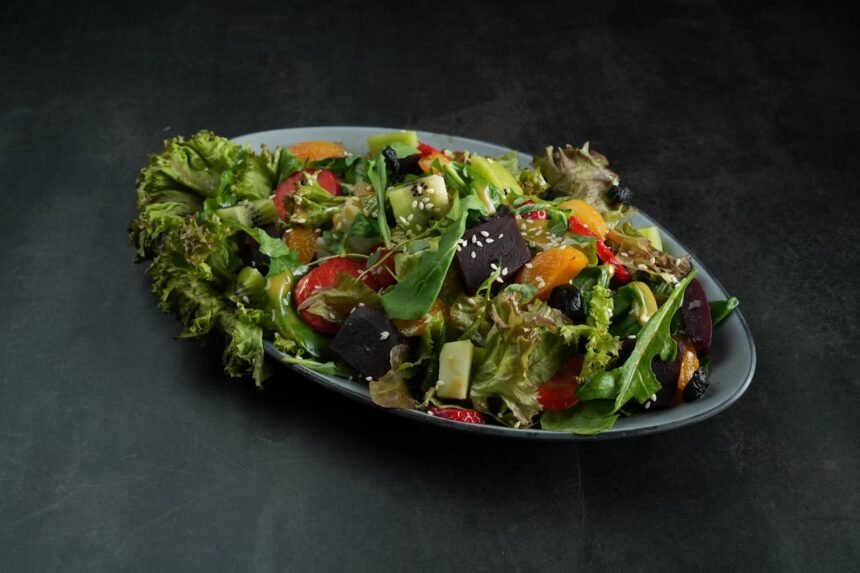
When we think of skincare, our minds often drift towards the bathroom cabinet—serums, moisturisers, and expensive creams. However, dermatologists and nutritionists alike agree that true skin health begins in the gut. While kale and spinach have long held the spotlight in the wellness world, there is an unsung hero in the cruciferous vegetable family that deserves your attention: mustard greens.
With a peppery flavour and a robust nutritional profile, mustard greens offer a potent cocktail of vitamins and antioxidants that can revitalise a dull complexion, support collagen production, and combat inflammation. Whether you are looking to slow the signs of ageing or clear up acne-prone skin, adding these greens to your diet could be the missing link.
This article explores the specific benefits of mustard greens for skin health, the science behind their nutrients, and practical ways to incorporate them into your daily routine.
A Nutritional Powerhouse for Your Complexion
Mustard greens (Brassica juncea) are low in calories but exceptionally high in fibre and micronutrients. For skin health, the density of vitamins A, C, and K, alongside vital minerals, makes them superior to many other leafy greens.
According to the United States Department of Agriculture (USDA), just one cup of raw mustard greens provides immense nutritional value. It is not merely about general health; specific compounds found in these leaves target the mechanisms that keep skin firm and hydrated.
Vitamin A and Cell Turnover
One of the most critical nutrients for skin is Vitamin A. Mustard greens are rich in beta-carotene, which the body converts into Vitamin A. This nutrient is essential for cellular turnover—the process by which your body sheds old skin cells and replaces them with fresh, new ones.
A deficiency in Vitamin A can lead to dry, flaky skin and blocked pores. By ensuring adequate intake through foods like mustard greens, you support the skin’s natural barrier and texture.
Vitamin C and Collagen Synthesis
Perhaps the most significant benefit of mustard greens for skin is their high Vitamin C content. Vitamin C is a water-soluble antioxidant that is absolutely vital for the synthesis of collagen.
Collagen is the structural protein that gives skin its elasticity and firmness. As we age, collagen production naturally declines, leading to fine lines and wrinkles. Research published in the National Institutes of Health (NIH) database suggests that dietary Vitamin C helps protect the skin from oxidative stress and supports the maintenance of the collagen network.
Vitamin K and Healing
While often associated with blood clotting, Vitamin K plays a subtle but important role in skin health. It is known to help with the body’s healing process and may assist in reducing the appearance of bruising, dark circles under the eyes, and spider veins.
Key Benefits of Mustard Greens for Skin
Beyond the basic vitamins, mustard greens contain a complex array of phytonutrients that interact with the body to improve skin health in several distinct ways.
1. Potent Anti-Ageing Properties
Oxidative stress caused by free radicals is a primary driver of premature ageing. These free radicals are unstable molecules generated by UV radiation, pollution, and poor diet. Mustard greens are loaded with antioxidants, including flavonoids like quercetin and kaempferol.
These antioxidants act as a defence system, neutralising free radicals before they can damage skin cells. A study cited by Harvard Health highlights that diets high in leafy greens are strongly linked to reduced oxidative stress markers in the body.
2. Reduction of Inflammation and Acne
Inflammation is the root cause of many skin conditions, including acne, eczema, and psoriasis. Mustard greens possess significant anti-inflammatory properties, partly due to their content of Vitamin K and Omega-3 fatty acids (in small amounts).
By lowering systemic inflammation, you create an internal environment that is less prone to breakouts. Furthermore, the high fibre content in mustard greens assists in blood sugar regulation. Since insulin spikes can trigger sebum production and acne, a fibre-rich diet acts as a preventative measure.
3. Protection Against Sun Damage
While eating greens is no substitute for sunscreen, the beta-carotene and lutein found in mustard greens can offer a degree of internal protection against UV damage. These carotenoids accumulate in the skin and absorb harmful light, acting as a biological shield.
According to Medical News Today, consuming foods rich in antioxidants can enhance the skin’s resistance to sunburn and photo-ageing over time.
Nutrient Comparison: Mustard Greens vs. Other Greens
To understand why you should rotate mustard greens into your diet alongside spinach and kale, consider this comparison for a 100g raw serving:
| Nutrient | Mustard Greens | Spinach | Kale |
|---|---|---|---|
| Vitamin C | 70 mg (High) | 28 mg | 120 mg |
| Vitamin A (IU) | 10,500 IU | 9,377 IU | 9,990 IU |
| Vitamin K | 257 mcg | 483 mcg | 705 mcg |
| Water Content | 90% | 91% | 84% |
While kale reigns supreme in Vitamin K, mustard greens offer a superior balance of Vitamin A and significant Vitamin C, often with a lower oxalate content than spinach, which allows for better mineral absorption.
How to Use Mustard Greens for Maximum Benefit
To reap the rewards of mustard greens for skin, preparation matters. Overcooking these greens can degrade the heat-sensitive Vitamin C and enzymes. Here is how to retain their potency.
Cooking Methods
- Light Steaming: Steaming for 2–3 minutes preserves the vibrant green colour and the majority of vitamins while softening the tough fibres.
- Sautéing: A quick toss in olive oil helps with the absorption of fat-soluble vitamins (A and K).
- Raw in Smoothies: For the brave, adding a handful of raw mustard greens to a fruit smoothie ensures you get 100% of the Vitamin C. The fruit sweetness masks the peppery bite.
A Simple Skin-Boosting Recipe
Garlic and Lemon Sautéed Mustard Greens
- Wash a bunch of mustard greens thoroughly.
- Heat 1 tablespoon of olive oil in a pan.
- Sauté 2 cloves of minced garlic until fragrant.
- Add the greens and toss for 3 minutes until wilted but bright green.
- Finish with a squeeze of fresh lemon juice (adds extra Vitamin C) and a pinch of sea salt.
For more ideas on preparing nutrient-dense vegetables, check out resources on Healthline.
Practical Tips and Precautions
While mustard greens are incredibly healthy, there are practical considerations to ensure they work for you, not against you.
Buying and Storing
- Selection: Look for crisp, deep green leaves without yellow spots or slimy stems.
- Storage: Wrap them in a damp paper towel and place them in a plastic bag in the refrigerator crisper drawer. They are best consumed within three days.
Potential Side Effects
- Vitamin K Interactions: Because mustard greens are incredibly high in Vitamin K, they can interfere with blood-thinning medications like warfarin. It is essential to maintain a consistent intake of Vitamin K rather than suddenly increasing it. Consult your GP if you are on medication.
- Goitrogens: Like all cruciferous vegetables, mustard greens contain goitrogens, which can interfere with thyroid function if eaten in massive quantities raw. Cooking the greens neutralises most of these compounds. For more on this, the Mayo Clinic offers excellent guidance on diet and thyroid health.
- Oxalates: Though lower than spinach, they do contain oxalates. Those prone to kidney stones should moderate their intake and drink plenty of water.
The Role of Hydration
Mustard greens have a high water content (approx. 90%). Hydration is the foundation of plump, glowing skin. Eating water-rich vegetables contributes to your daily fluid intake, keeping skin cells turgid and flushing out toxins.
As noted by the American Academy of Dermatology (AAD), a well-balanced diet rich in water and nutrients is often more effective than topical treatments alone.
The Bottom Line
Incorporating mustard greens into your diet is a powerful, natural strategy for improving skin health. Their impressive profile of Vitamins A, C, and K works synergistically to boost collagen, encourage cell turnover, and fight inflammation.
While no single food acts as a miracle cure, the consistent consumption of nutrient-dense greens creates the biological foundation for a clearer, more radiant complexion. By swapping your usual lettuce for the spicy kick of mustard greens, you are not just elevating the flavour of your meals—you are feeding your skin from within.
Remember to pair these greens with healthy fats for absorption and vary your vegetable intake for the best results. For further reading on the power of micronutrients, the Linus Pauling Institute is an excellent resource.