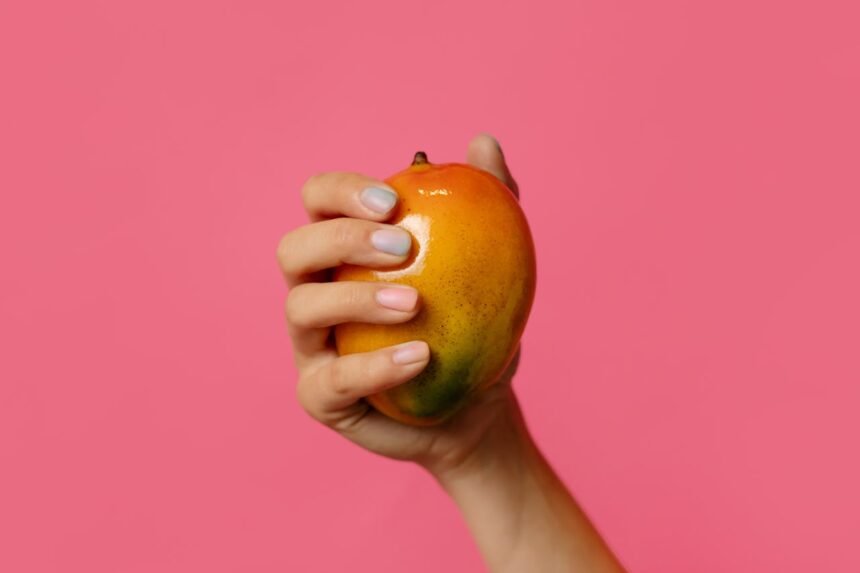
There is arguably no fruit more evocative of tropical paradise than the mango. Often celebrated as the “king of fruits”, this vibrant stone fruit offers a sensory experience that combines luscious sweetness with a complex, floral aroma. However, walking into a supermarket produce section can often feel overwhelming due to the sheer diversity of options available on the shelves.
Depending on the time of year and your location, you might encounter mangoes that are green, red, yellow, or even a blushing orange. Some are large and oval, while others are small and kidney-shaped. More importantly, the internal experience varies wildly; some flesh is buttery and smooth, while other types can be stringy and fibrous. Understanding these nuances is key to selecting the perfect fruit for your morning smoothie, spicy salsa, or fresh fruit salad.
This guide explores the five most popular mango varieties found globally. We will delve into their unique flavour profiles, textural differences, and peak availability to help you make an informed choice. Whether you prioritise sweetness or texture, this breakdown ensures you never pick a disappointing fruit again.
What Makes Mangoes a Nutritional Powerhouse?
Before diving into the specific varieties, it is essential to understand why this fruit is such a valuable addition to your diet. Mangoes are not just delicious; they are nutritionally dense. According to Healthline, mangoes are packed with polyphenols — plant compounds that function as antioxidants to protect your body.
Key Nutritional Highlights:
- Vitamin C: A single portion provides a significant amount of your daily requirement, supporting immune health and iron absorption.
- Fibre: Essential for digestive health, the fibre content varies by variety but remains beneficial across the board.
- Vitamin A: Crucial for eye health and immune function.
When consuming mangoes, it is helpful to follow guidance from the NHS 5 A Day programme, which suggests that 80g of fresh fruit counts as one portion. Because mangoes are naturally high in sugar, portion control is important, especially if you are monitoring your blood glucose levels. Guidance from Diabetes UK suggests that while people with diabetes can enjoy fruit, spreading intake throughout the day is often the best strategy to manage blood sugar spikes.
Furthermore, research highlights the presence of unique antioxidants like mangiferin. Studies indexed on PubMed suggest mangiferin may have anti-inflammatory properties, potentially lowering the risk of chronic heart conditions. It is this combination of flavour and function that makes the mango a staple in households worldwide.
The 5 Most Popular Mango Varieties
Not all mangoes are created equal. The difference between a fibrous Tommy Atkins and a creamy Alphonso is night and day. Below, we break down the top five varieties you are most likely to encounter, detailing their origins, flavours, and ideal culinary uses.
1. Alphonso: The “King of Mangoes”
Origin: India
Season: April to June
Widely regarded as the premium standard for mangoes, the Alphonso is often expensive and highly seasonal, yet the demand remains insatiable. Grown primarily in India, this variety is distinct due to its rich, saffron-coloured flesh and incredibly intense aromatic profile.
Flavour and Texture:
The Alphonso is celebrated for its non-fibrous, buttery texture. The flavour is deeply sweet with notes of honey, citrus, and peach. It is rarely used for cooking because the raw flavour is so superior; it is best eaten fresh or purelyed into lassi. Due to strict import regulations, as noted by GOV.UK, ensuring you are buying authentic, chemically-safe Alphonsos involves looking for specific geographical indications on the packaging.
2. Tommy Atkins: The Supermarket Staple
Origin: Florida, USA
Season: March to July; October to January
If you see a mango in a UK supermarket year-round, it is likely a Tommy Atkins. This variety is favoured by growers for its disease resistance and long shelf life rather than its eating quality. It is easily identifiable by its dark red blush covering much of the green skin.
Flavour and Texture:
Subjectively, this is the most controversial variety. The flesh is firm and significantly fibrous, which can sometimes be unpleasant to eat out of hand. The flavour is mild and sweet-tart. However, its firmness makes it excellent for salads and salsas where the fruit needs to hold its shape, a usage often highlighted in recipes on BBC Good Food.
3. Kent: The Sweet Late-Season Choice
Origin: Florida, USA
Season: December to February; June to August
The Kent mango is a direct descendant of the Brooks variety and offers a fantastic compromise between commercial durability and premium taste. It is a large, oval fruit that remains mostly green even when fully ripe, often developing a yellow undertone or red shoulder.
Flavour and Texture:
Kent mangoes are prized for having very little fibre. The flesh is tender, juicy, and deep orange. The flavour profile is sweet with subtle sour notes, making it versatile for both desserts and savoury dishes. It is softer than the Tommy Atkins, so handle it with care to avoid bruising.
4. Ataulfo (Honey): The Creamy Delicacy
Origin: Mexico
Season: March to July
Also known as the “Honey” or “Champagne” mango, the Ataulfo is small, kidney-shaped, and turns a deep, golden yellow when ripe. As the fruit matures, the skin may wrinkle slightly; contrary to popular belief, this is a good sign indicating high sugar content and peak ripeness.
Flavour and Texture:
This variety boasts an incredibly smooth, velvet-like texture with virtually no fibres inside. The pit is very thin, providing a high flesh-to-seed ratio. The taste is intensely sweet, creamy, and spicy-floral. The National Mango Board highlights this variety as ideal for purees and sorbets due to its lack of stringy fibres.
5. Keitt: The Giant of the Family
Origin: Florida, USA
Season: July to September
Keitt mangoes are often massive, sometimes weighing over a kilogram. Like the Kent, they stay green even when they are ready to eat, which can confuse consumers used to looking for red hues. The best way to test ripeness is by gentle pressure rather than colour.
Flavour and Texture:
The Keitt offers a sweet, tangy flavour with a lemony twist. The texture is firm but yielding, with limited fibre restricted mostly to the area around the pit. Because of their size and firmness, they are excellent for pickling or slicing into Asian-style salads.
Quick Comparison: Flavour and Texture
To help you visualise the differences, we have compiled a comparison table. This data aligns with standards observed by the Royal Horticultural Society regarding fruit characteristics.
| Variety | Primary Skin Colour | Fibre Content | Sweetness Level | Best Use Case |
|---|---|---|---|---|
| Alphonso | Golden Yellow | Very Low | Intense/High | Eating fresh, Lassi |
| Tommy Atkins | Dark Red/Green | High/Stringy | Mild/Medium | Salsas, Salads |
| Kent | Green/Red Blush | Low | High | Juicing, Drying |
| Ataulfo | Golden Yellow | None | Very High | Sorbets, Purees |
| Keitt | Green | Low/Medium | Medium/Tangy | Pickling, Slicing |
Frequently Asked Questions
How can I speed up the ripening process?
If your mango is rock hard, place it in a paper bag at room temperature. This traps the ethylene gas the fruit emits, speeding up the process. Once ripe, move it to the fridge to slow down decay.
Are mango skins edible?
Technically, yes, but they are not recommended. The skin contains urushiol, the same compound found in poison ivy, which can cause allergic reactions in some people. The Food Standards Agency also advises washing fruit thoroughly to remove potential pesticide residues or surface bacteria before preparing.
Is there too much sugar in mangoes for heart health?
While mangoes are sweet, the sugar is natural fructose bundled with fibre. The British Heart Foundation notes that natural sugars in whole fruit are metabolised differently than free sugars in cakes or fizzy drinks. However, moderation is always key.
How do I cut a mango without the mess?
The “hedgehog” method is most popular: slice the “cheeks” off either side of the flat central pit, score the flesh in a grid pattern without cutting the skin, and invert the skin to pop the cubes out.
Can I grow a mango tree in the UK?
Mangoes require a tropical climate. While you can germinate a seed indoors, getting it to fruit in the UK climate is notoriously difficult without a heated greenhouse. They are extremely sensitive to frost.
The Bottom Line
Choosing the right mango variety can transform your culinary experience from mediocre to magnificent. While the Tommy Atkins is a reliable workhorse for salads, seeking out a Kent or Ataulfo when they are in season will provide a far superior sweet treat. If you can find an Alphonso during its short window, it is worth the extra cost for its unparalleled richness.
Remember to consume mangoes as part of a balanced diet rich in vegetables, proteins, and whole grains. Whether you are blending them, slicing them, or eating them over the sink to catch the juices, mangoes offer a delightful burst of tropical sunshine.
Always consult a healthcare professional before making significant changes to your diet, especially if you manage conditions like diabetes.