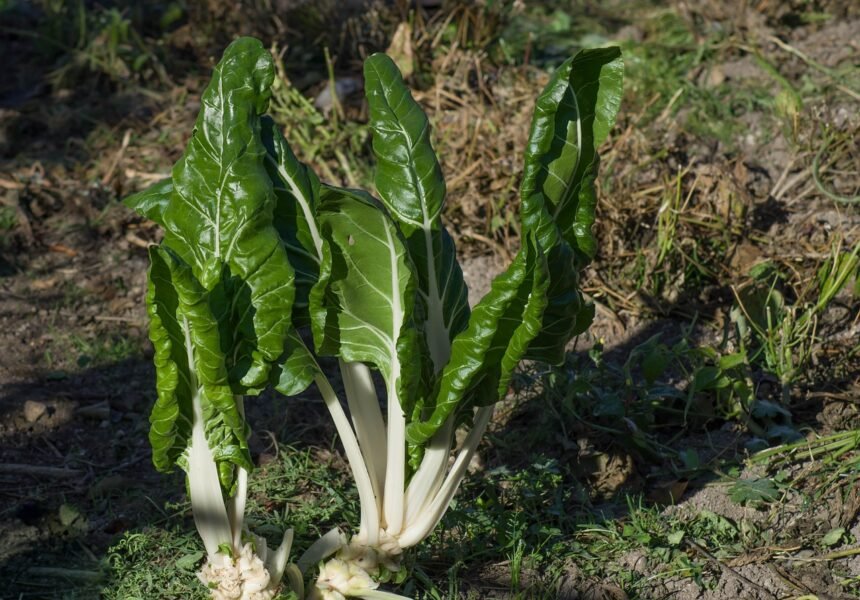
Swiss chard is a nutritional powerhouse that is frequently overlooked in favor of its more popular cousins like kale and spinach. However, when it comes to weight management, this vibrant leafy green is an exceptional tool. Science suggests that Swiss chard aids weight loss primarily through three mechanisms: it is incredibly low in caloric density, it is high in dietary fiber which promotes satiety, and it contains unique compounds that may help regulate blood sugar levels. Incorporating Swiss chard into a balanced diet allows you to eat larger volumes of food without exceeding your daily energy requirements. Furthermore, its rich micronutrient profile ensures that your metabolism functions optimally during caloric restriction. While no single food melts fat on its own, Swiss chard is a top-tier ingredient for any sustainable weight loss strategy.
The Nutritional Profile of Swiss Chard
To understand why Swiss chard is beneficial for weight loss, we must first examine its nutritional composition. It is classified as a nutrient-dense food, meaning it provides a high amount of vitamins and minerals relative to its calorie count. According to the USDA FoodData Central, one cup of cooked Swiss chard contains only about 35 calories. This makes it one of the lowest-calorie foods available, allowing for substantial portion sizes that fill the stomach without contributing significantly to daily energy intake.
Beyond calories, Swiss chard is packed with essential nutrients that support a healthy metabolism. It is an excellent source of Vitamin K, Vitamin A, Vitamin C, and magnesium. Magnesium, in particular, plays a vital role in energy production and glucose control. When you are restricting calories to lose weight, it is easy to become deficient in these micronutrients, leading to fatigue and cravings. Including nutrient-dense foods like chard helps prevent these deficiencies, keeping your energy levels stable so you can maintain an active lifestyle.
The Role of Dietary Fiber in Satiety
One of the most scientifically validated methods for weight management is increasing fiber intake. Swiss chard is a rich source of both soluble and insoluble fiber. A standard serving provides approximately 4 grams of dietary fiber. While this might not sound like a massive amount, it is significant relative to the calorie count. Fiber aids in weight loss by slowing down digestion and expanding in the stomach, which triggers satiety signals to the brain.
Research published by the National Institutes of Health (NIH) indicates that high-fiber diets are strongly associated with lower body weight. Fiber reduces the hunger hormone, ghrelin, while increasing the production of hormones that make you feel full, such as cholecystokinin (CCK). By adding Swiss chard to your meals, you can extend the time between meals without feeling ravenous. For more on how this mechanism works, read our guide on the benefits of fiber.
Furthermore, fiber acts as a prebiotic, feeding the beneficial bacteria in your gut microbiome. Emerging science suggests that a healthy gut microbiome is essential for weight regulation, as certain bacteria can impact how much energy you harvest from food and how fat is stored. The Mayo Clinic emphasizes that plant-based fiber is a cornerstone of any effective weight loss plan.
Caloric Density and the Volumetrics Approach
Weight loss is fundamentally a math equation involving energy balance, but the *volume* of food you eat dictates how satisfied you feel. This concept is often referred to as “Volumetrics.” High-volume, low-calorie foods allow you to physically fill your stomach without overconsuming energy. Swiss chard is roughly 90% water, giving it a very low energy density. The Centers for Disease Control and Prevention (CDC) recommends replacing high-calorie foods with lower-calorie, high-water options to manage weight effectively.
For example, substituting a cup of pasta with a cup of sautéed Swiss chard saves you nearly 180 calories while providing equal or greater bulk in the stomach. This substitution strategy is easier to maintain long-term than simply eating smaller portions of calorie-dense foods, which often leaves dieters feeling deprived. You can explore more substitution ideas in our article on low-calorie snacks and meal additions.
Blood Sugar Regulation and Fat Storage
Controlling blood sugar is crucial for weight loss. When blood sugar spikes rapidly after a meal, the body releases insulin to shuttle that glucose into cells. High levels of insulin can inhibit fat burning and promote fat storage. Swiss chard contains specific antioxidants, such as alpha-lipoic acid and syringic acid, which have been shown to improve insulin sensitivity and lower blood sugar levels.
A study found in PubMed suggests that syringic acid can inhibit an enzyme called alpha-glucosidase, which breaks down carbohydrates into simple sugars. By inhibiting this enzyme, Swiss chard may help prevent rapid spikes in blood sugar, keeping insulin levels stable. Stable insulin levels facilitate the body’s ability to access stored fat for energy. If you struggle with glucose spikes, learning about managing blood sugar through diet is a critical step in your weight loss journey.
Antioxidants and Metabolic Health
Chronic inflammation and oxidative stress are often linked to obesity and metabolic syndrome. Swiss chard is rich in betalains—the same pigments found in beets—which act as powerful anti-inflammatory agents and antioxidants. These compounds help reduce oxidative stress in the body. While antioxidants do not burn fat directly, they create a biological environment conducive to weight loss by reducing inflammation that can disrupt hormonal signaling.
Additionally, the alpha-lipoic acid found in chard has been studied for its potential to reduce weight in individuals with obesity. Some research suggests it may increase metabolic rate slightly, though more human studies are needed to confirm the extent of this effect. To ensure you are getting a wide spectrum of these protective compounds, consider integrating a variety of antioxidant-rich foods into your daily regimen.
Comparing Swiss Chard to Other Leafy Greens
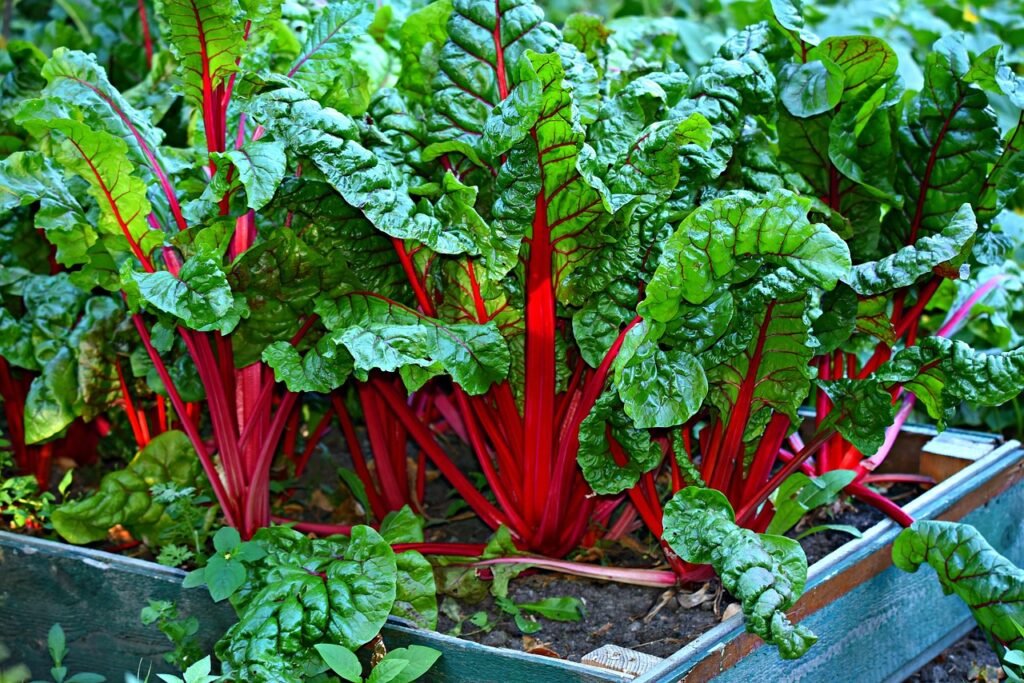
How does Swiss chard stack up against other weight-loss favorites like spinach or kale? While all are excellent choices, Swiss chard offers a unique texture and flavor profile that can prevent diet fatigue. Nutritionally, it is very similar to spinach but retains its texture better when cooked, making it more substantial in stews and soups. It is slightly lower in calories than kale but offers a milder, sweeter flavor which may be more palatable to those who dislike the bitterness of other brassicas.
According to Harvard Health, variety is key in a plant-based diet to ensure you receive a broad range of phytonutrients. Rotating between chard, spinach, and kale ensures you aren’t missing out on specific compounds unique to each plant. You can read a detailed comparison in our post: Spinach vs. Kale vs. Chard.
How to Incorporate Swiss Chard for Weight Loss
To maximize the weight loss benefits of Swiss chard, preparation matters. Boiling chard for too long can leach out water-soluble vitamins like Vitamin C and B-vitamins. Instead, light steaming or sautéing is recommended. However, be mindful of the fat used in cooking. While healthy fats like olive oil are beneficial for absorbing Vitamin K, using too much can negate the low-calorie benefit of the vegetable.
Healthy Preparation Ideas
- The Green Smoothies: Swiss chard has a salty profile that masks well with fruit. Blending raw leaves into a smoothie adds fiber without the bulk. Check out our green smoothie recipes for inspiration.
- The Low-Carb Wrap: Large Swiss chard leaves are sturdy enough to be used as wraps. Use them to replace flour tortillas for tacos or sandwich wraps to cut nearly 150 calories per meal.
- Volume Bulking in Soups: Add chopped chard stems and leaves to lentil or vegetable soups. The fiber absorbs liquid and keeps you full for hours. This is a staple technique in healthy meal prep.
- Sautéed Side: Sauté with garlic, lemon juice, and a teaspoon of olive oil for a classic, low-calorie side dish.
Potential Considerations and Precautions
While Swiss chard is a superfood, there are considerations for certain individuals. Swiss chard is high in oxalates, natural compounds that can contribute to kidney stones in susceptible individuals. The National Kidney Foundation recommends that those prone to calcium oxalate stones should monitor their intake of high-oxalate foods. Boiling the chard and discarding the water can significantly reduce oxalate content.
Additionally, because Swiss chard is incredibly high in Vitamin K, it can interact with blood-thinning medications like Warfarin. Consistent intake is usually recommended over complete avoidance, but it is essential to consult a healthcare provider. MedlinePlus offers specific guidelines on Vitamin K interactions for those on anticoagulants.
The Bottom Line: Takeaway
Can Swiss chard aid in weight loss? The science says yes. Its combination of low caloric density, high fiber content, and blood-sugar-regulating antioxidants makes it a formidable ally in the fight against excess weight. By incorporating this leafy green into your meals, you can increase the volume of your food, improve satiety, and ensure your body receives the micronutrients required for a healthy metabolism.
However, no single food is a magic bullet. Swiss chard works best when part of a holistic approach that includes a varied diet, regular physical activity, and adequate sleep. Focusing on sustainable weight loss habits rather than quick fixes yields the best long-term results. The World Health Organization (WHO) continues to advocate for increased vegetable intake as a primary strategy for global health and weight management. Start adding Swiss chard to your grocery cart today to take advantage of these science-backed benefits.