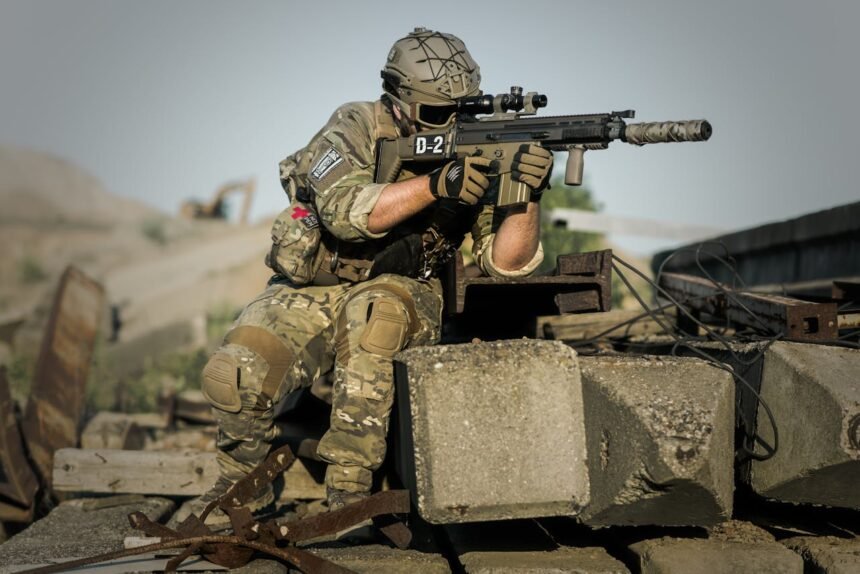
Tossing and turning at night is a frustrating experience shared by millions. When your mind races and your body refuses to settle, finding a reliable way to drift off becomes a priority. Enter the Military Sleep Method. Originally developed to help soldiers fall asleep in combat conditions, this technique has gained massive popularity for its simplicity and effectiveness.
The method reportedly helps 96 per cent of people fall asleep within two minutes after six weeks of practice. It focuses on systematic relaxation of the muscles and mental clearing. This guide provides a comprehensive look at how to master this technique to improve your sleep hygiene and overall health.
What Is the Military Sleep Method?
The technique was first detailed in the 1981 book Relax and Win: Championship Performance by Lloyd Bud Winter. The aim was to prevent pilot error due to fatigue. If pilots could sleep whilst sitting upright in a loud environment, you can certainly learn to sleep in a comfortable bed.
This approach combines physical relaxation with mental focus. It bridges the gap between your sympathetic nervous system (fight or flight) and your parasympathetic nervous system (rest and digest). By consciously shutting down physical tension, you signal to your brain that it is safe to sleep.
The Military Sleep Method: Step by Step
Learning this technique requires patience. Do not worry if it does not work perfectly on the first night. Consistency is key. Here is the military sleep method step by step to guide you into a deep slumber.
1. Relax Your Face
Close your eyes. Breathe slowly and deeply. Focus on the muscles in your face. Relax your forehead, your eyes, and your jaw. Many of us hold tension in the jaw without realising it. Let your tongue drop to the bottom of your mouth. This simple action signals your brain to begin winding down.
2. Drop Your Shoulders
Lower your shoulders as far down as they can go. Imagine the tension flowing out of your neck and down your arms. Let your arms hang loose by your sides. If you are struggling, tense them up first for a few seconds, then release. This contrast helps you feel the relaxation more deeply.
3. Exhale and Relax Your Chest
Breathe out deeply, relaxing your chest. Feel your lungs fill with air and then deflate, taking the tension with them. Continue your deep breathing exercises to keep your heart rate slow and steady.
4. Relax Your Legs
Move your focus to your legs. Start with your thighs. Let them sink into the mattress. Move down to your calves, ankles, and feet. Imagine a warm sensation spreading from your head down to your toes. By the time you reach your feet, your entire body should feel heavy and limp.
5. Clear Your Mind
The final step is often the hardest. You must clear your mind for ten seconds. If thoughts intrude, acknowledge them and let them pass. Winter suggested three specific visualisations to help:
- Lying in a canoe on a calm lake with nothing but a blue sky above you.
- Snuggled in a black velvet hammock in a pitch-black room.
- Repeating the words “Don’t think, don’t think, don’t think” to yourself for ten seconds.
Troubleshooting Your Sleep Routine
Even with the military method, external factors can disrupt your rest. You might find yourself waking up in the early hours. Knowing what to do when you can’t sleep at 3am is crucial. Do not check your phone. The blue light mimics daylight and halts melatonin production. Instead, keep the lights off and try the relaxation steps again. If you stay awake for more than 20 minutes, get up and do a quiet activity like reading until you feel sleepy.
Sometimes, the issue isn’t falling asleep but feeling groggy in the morning. You might ask, “Why do I feel tired after 8 hours of sleep?” This often relates to sleep quality rather than quantity. If your sleep cycles are interrupted by noise, light, or temperature changes, you will not feel refreshed. For more insights, check the Sleep Foundation’s guide to sleep stages.
Optimising Your Bedroom Environment
Your bedroom should be a sanctuary. Environmental factors play a massive role in how fast you drift off.
Temperature Control
Your body temperature needs to drop slightly to initiate sleep. The best temperature for sleep celsius is generally between 16°C and 18°C. A room that is too hot can cause wakefulness and vivid dreams. Ensure your duvet thickness is appropriate for the season.
Lighting and Darkness
Total darkness is essential. Streetlights or LEDs from electronics can disrupt your rhythm. If you cannot achieve a pitch-black room, consider using a mask. Specifically, weighted eye mask benefits include blocking out light whilst providing gentle pressure stimulation. This pressure can help reduce anxiety and promote relaxation, similar to a weighted blanket.
Lifestyle Factors Affecting Success
What you do during the day dictates how well you sleep at night.
Caffeine and Diet
We all love a cup of tea or coffee, but timing is everything. The effect of caffeine on sleep cycle disruptions is well-documented. Caffeine blocks adenosine receptors in the brain, which are responsible for making you feel tired. Avoid caffeine at least six hours before bed. Read more about diet and sleep quality on our blog.
Correcting Your Schedule
Shift work or late nights can mess up your internal clock. If you are wondering how to fix a reversed sleep schedule, you must be disciplined. Wake up at the same time every day, even if you are tired. Expose yourself to bright sunlight immediately upon waking. This resets your circadian rhythm.
Waking Up Refreshed
The goal is not just to sleep, but to wake up ready for the day. Learning how to wake up early without feeling tired involves consistency. Avoid the snooze button. When your alarm goes off, get up immediately and stretch. Hydrate with a glass of water to kickstart your metabolism.
Additional Aids and Natural Remedies
If the military method needs a boost, consider integrating natural aids into your nightly routine.
Aromatherapy
Scent is a powerful trigger for the brain. Studies suggest that certain scents promote calmness. Specifically, lavender oil for sleep benefits include lowering blood pressure and heart rate. You can use a diffuser or put a few drops on your pillow.
Herbal Teas
Replacing your evening alcohol or coffee with a warm beverage can signal wind-down time. A warm cup of tea to help you sleep better might contain chamomile, valerian root, or lemon balm. These herbs have mild sedative properties that complement the physical relaxation of the military method.
Technology Assistance
While screens are usually bad for sleep, audio can help. There are many apps designed to guide you through meditation or play white noise. You can find some of the best sleep apps for free on most app stores. Look for ones that offer guided body scans or “sleep stories” to keep your mind off daily stressors.
Mental Techniques and Anxiety
Anxiety is the enemy of sleep. When you lie down, your brain often decides to review every mistake you have ever made. To combat this, try positive self-talk. Using positive affirmations for sleep and anxiety can shift your mindset. Repeating phrases like “I am safe,” “I am calm,” and “I deserve rest” can help quieten intrusive thoughts. For more on mental health, visit Mind UK.
Addressing Physical Discomfort and Disorders
Sometimes, physical issues prevent the military method from working effectively.
Managing Pain
Chronic pain makes relaxation difficult. If you are struggling with back issues, you need to adjust your position. Learning how to sleep with lower back pain usually involves extra support. Try placing a pillow under your knees if you sleep on your back, or between your knees if you sleep on your side. This aligns the spine and relieves pressure. See our guide on sleeping positions for pain relief.
Snoring and Breathing
Noisy breathing disrupts your sleep and your partner’s. If you want to know how to stop snoring naturally at home, try sleeping on your side rather than your back. Avoiding alcohol before bed and staying hydrated also helps. However, loud snoring can be a sign of something more serious.
When to See a Doctor
If you have tried everything and still cannot sleep, you may have a clinical disorder. A common sleep disorders list includes insomnia, sleep apnea, restless leg syndrome, and narcolepsy. If you suspect you have one of these, consult a GP. Sleep apnea, for example, requires medical intervention.
The Bottom Line
The Military Sleep Method is a powerful tool, but it is not a magic switch. It requires practice to train your brain and body to relax on command. By combining this technique with a good environment, proper diet, and a consistent schedule, you can reclaim your nights.
Remember to address any underlying issues, such as anxiety or physical pain, to give yourself the best chance of success. Start tonight. Relax your face, drop your shoulders, and let the day drift away.
More resources: