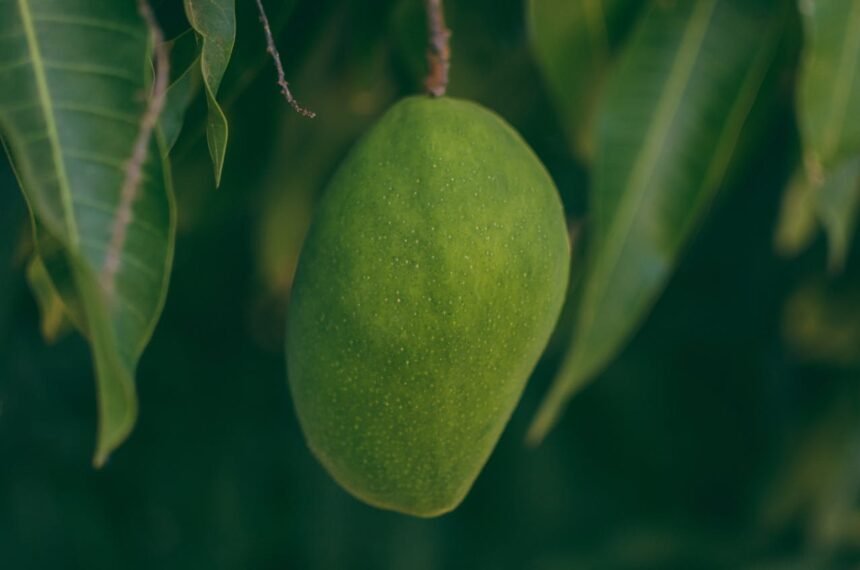
Mangoes are often hailed as the king of fruits, and for good reason. They are vibrant, juicy, and packed with a sweet flavour that feels like a tropical indulgence. However, if you are currently on a weight loss journey, you might feel conflicted about including them in your diet.
There is a common misconception that sweet fruits are detrimental to losing weight due to their natural sugar content. You may worry that the carbohydrates in mangoes will spike your blood sugar or hinder your calorie deficit. It is completely normal to question which foods best support your goals.
Understanding the nutritional nuance of fruit is essential for sustainable weight management. While mangoes contain sugar, they also offer a wealth of nutrients that can actually support a healthy metabolism. Losing weight is rarely about eliminating entire food groups; rather, it is about balance, portion control, and understanding nutrient density.
In this article, we explore the science behind mangoes and weight loss, helping you decide if this tropical fruit deserves a place in your meal plan.
The Nutritional Profile of Mangoes
Before determining if mangoes are good for weight loss, it is vital to understand exactly what you are eating. Mangoes are nutrient-dense, meaning they provide a high amount of vitamins and minerals for a relatively low number of calories.
According to the nutritional benefits of mangoes outlined by experts, a standard serving (approximately 165 grams or one cup of sliced fruit) contains roughly 99 calories. This makes it a moderate-calorie fruit—higher than berries but lower than bananas.
Key nutritional highlights include:
Dietary Fibre: A single serving provides nearly 3 grams of fibre, which is crucial for digestion.
Vitamin C: You get roughly 67% of your daily reference intake, supporting immune function.
Water Content: Mangoes are about 83% water, which helps with hydration and fullness.
Antioxidants: They are rich in beta-carotene and other polyphenols.
It is also important to note that mangoes contain natural sugars. However, unlike processed sweets, this sugar comes packaged with fibre and water. This structural difference alters how your body processes the energy.
When following NHS guidelines for a balanced diet, varied fruit intake is encouraged. The combination of water and fibre gives mangoes a low energy density. This means you can eat a satisfying portion without consuming an excessive number of calories, which is a fundamental principle of weight management.
Are Mangoes Good for Weight Loss? The Evidence
So, what does the science actually say? Can you eat mangoes and still lose weight? The short answer is yes, provided they are consumed correctly. Several factors suggest mangoes can be a helpful addition to a fat-loss diet.
1. The Role of Satiety and Fibre
Satiety is the feeling of fullness that stops you from overeating. Foods high in dietary fibre are known to increase satiety. The fibre in mangoes slows down the absorption of sugar into the bloodstream. This prevents the rapid insulin spikes associated with processed snacks, which can lead to hunger crashes shortly after eating.
By keeping you fuller for longer, mangoes can reduce the likelihood of snacking on high-calorie ultra-processed foods. Replacing a 300-calorie chocolate bar with a 100-calorie serving of mango creates an immediate calorie deficit.
2. Phytochemicals and Metabolism
Emerging research suggests that mangoes contain bioactive compounds that may assist metabolic health. A study published by the National Institutes of Health indicates that polyphenols found in mangoes might exhibit anti-inflammatory properties. Chronic inflammation is often linked to obesity and metabolic syndrome.
While eating mangoes alone will not burn fat, the antioxidants they provide help support cellular health. A healthy body is generally more efficient at regulating weight than one fighting chronic inflammation.
3. Sweetness and Cravings
Psychology plays a massive role in dieting. If you deprive yourself of all sweet foods, you are more likely to binge later. The natural sweetness of mango allows you to satisfy a sugar craving naturally.
Organisations like the British Heart Foundation emphasise cutting down on free sugars (added sugars). Using whole fruit to replace desserts aligns perfectly with these recommendations, allowing for enjoyment without the nutritional downsides of refined sugar.
4. Glycaemic Index Considerations
Mangoes have a medium Glycaemic Index (GI), typically ranging between 51 and 56. While this is higher than apples or pears, it is not excessively high. According to Diabetes UK, the impact of fruit on blood sugar varies by individual, but the fibre content in whole mangoes helps moderate the glucose response. This makes them a safer choice than fruit juice or dried fruit for those managing weight and insulin levels.
Actionable Ways to Eat Mango for Weight Loss
To maximise the benefits of mangoes while minimising the risk of overconsumption, you need a strategy. Here are practical tips to integrate this fruit into your routine effectively.
Prioritise Portion Control
Even healthy foods have calories. Consuming five mangoes in one sitting will contribute roughly 500 calories to your daily total, which could hinder your progress.
Adhere to the portion sizes recommended by the British Dietetic Association, which generally suggests 80g constitutes one portion of your 5-a-day. For mangoes, this is roughly two slices or half a small fruit. Stick to one cup of diced mango per sitting to keep calorie counts manageable.
Avoid Dried Mango
Dried fruit is significantly more calorie-dense than fresh fruit. When water is removed, the sugar and calories become concentrated. A small handful of dried mango can contain the same calories as a massive bowl of fresh mango but will leave you feeling far less full.
If weight loss is your primary goal, stick to fresh or frozen varieties. The volume provided by the water content is essential for feeling satisfied.
Pair with Protein or Fat
Eating carbohydrates alone can sometimes lead to faster digestion. To blunt the blood sugar response further, pair your mango with a source of protein or healthy fat.
Greek Yoghurt: Add diced mango to plain Greek yoghurt for a high-protein breakfast.
Nuts: Eat a few almonds or walnuts alongside your fruit slices.
Salads: Toss mango into a chicken or tofu salad for a burst of flavour without the need for high-sugar dressings.
This technique follows the principles of the Eatwell Guide, ensuring a balance of macronutrients that sustains energy levels throughout the day.
Timing Your Intake
While your total calorie intake matters most, some people find it beneficial to eat higher-carb fruits around their workout window. The natural sugars in mango provide a quick source of glycogen.
Eating mango 30 to 60 minutes before a gym session or a run can fuel your performance. Burning more energy during exercise contributes positively to your weight loss equation.
Comparison: Mango vs. Common Snacks
To understand the value of swapping processed snacks for mango, look at the comparison below. This highlights why whole foods are superior for volume eating.
| Food Item | Serving Size | Calories | Sugar (g) | Satiety Level |
|---|---|---|---|---|
| Fresh Mango | 1 cup (165g) | ~99 | 23g (Natural) | High |
| Dried Mango | 1 cup (160g) | ~500 | 100g+ | Low |
| Chocolate Bar | 1 bar (45g) | ~240 | 25g (Added) | Low |
| Fruit Yoghurt | 1 pot (125g) | ~130 | 16g (Added) | Medium |
Frequently Asked Questions
Here are answers to common queries about including mangoes in a weight loss plan.
Does mango make you gain fat?
No single food causes fat gain. Weight gain occurs when you consistently consume more calories than you burn over time. Mangoes can be part of a diet that leads to weight gain if eaten in excess, but they are not inherently fattening. In fact, their fibre content often aids in weight regulation.
Is it better to eat mangoes at night?
There is no scientific evidence that eating fruit at night leads to weight gain compared to eating it in the morning. However, some people prefer to eat carbohydrates earlier in the day to utilise the energy. If you are prone to indigestion, you might want to finish eating a few hours before bed, as noted by sources like BBC Good Food regarding digestion tips.
Can I drink mango smoothies?
Smoothies can be tricky for weight loss. Blending fruit breaks down some of the fibrous structures, potentially leading to faster sugar absorption. Furthermore, drinking calories is less satiating than chewing them. If you make a smoothie, ensure you measure your ingredients so you do not accidentally consume three mangoes in one glass. According to the World Health Organization, limiting free sugars (which includes fruit juices and concentrates) is key to preventing obesity.
The Bottom Line
Mangoes are a nutritious, delicious fruit that can absolutely form part of a successful weight loss diet. They offer essential vitamins, hydration, and dietary fibre, all of which support a healthy body.
The key lies in how you consume them. By prioritising fresh fruit over dried varieties, watching your portion sizes, and pairing them with protein, you can enjoy the sweetness of mangoes without compromising your goals.
Remember, sustainable weight loss is about overall dietary patterns rather than obsessing over individual foods. If you enjoy mangoes, there is no need to banish them from your fruit bowl. Enjoy them in moderation as a healthy, natural treat.