For centuries, humans have looked to the ocean for its therapeutic properties. Sea salt, harvested from evaporated seawater, is more than just a culinary staple; it is a mineral-rich powerhouse that can significantly impact dermatological health. Unlike regular table salt, which is heavily processed and stripped of its natural minerals, sea salt contains magnesium, calcium, potassium, and sodium. These elements are vital for maintaining the skin’s barrier and hydration levels.
According to the NHS Health A-Z, maintaining a healthy skin barrier is the first line of defence against environmental irritants. When integrated correctly, sea salt can help balance oil production, neutralise bacteria, and soothe various chronic conditions. However, the efficacy of these treatments depends largely on the concentration and the specific minerals present, such as those found in the Dead Sea.
Benefits of Dead Sea Salt for Psoriasis at Home
Psoriasis is a chronic autoimmune condition that causes the rapid buildup of skin cells, leading to scaling and inflammation. One of the most studied natural interventions for this condition is balneotherapy, or the practice of bathing in mineral-rich waters. Research highlighted by the Mayo Clinic Research suggests that the high magnesium content in Dead Sea salt can improve skin hydration and reduce redness in psoriatic patients.
To experience the benefits of dead sea salt for psoriasis at home, experts recommend dissolving approximately two cups of salt into a warm bath. It is crucial to ensure the water is not too hot, as high temperatures can further strip the skin of its natural oils. Soaking for 15 to 20 minutes allows the minerals to penetrate the dermal layers, helping to soften scales and ease the discomfort of plaques. For more information on managing chronic conditions, see our Related Health Guide 1.
Using Sea Salt Water for Skin Inflammation
Inflammation is a common denominator in various skin concerns, from allergic reactions to environmental stress. The minerals in sea salt, particularly magnesium, have natural anti-inflammatory properties that can help calm the complexion. By using sea salt water for skin inflammation, you can help stabilise the skin’s pH and improve the protective barrier.
While the ocean provides a natural source, you can recreate this saline environment at home. This approach is often supported by Harvard Health Publishing for its ability to reduce swelling and promote healing in minor skin traumas. To learn more about systemic inflammation, refer to Related Health Guide 2.
Sea Salt Water Soak for Skin Rashes
When dealing with localised irritation, a sea salt water soak for skin rashes can provide immediate cooling and relief. This method is particularly useful for contact dermatitis or heat rashes. By immersing the affected area in a mild saline solution, you can draw out impurities and reduce the urge to itch. This practice is often recommended alongside standard treatments found in the NICE Guidelines for managing common dermatological complaints.
How to Use Sea Salt for Skin Exfoliation Safely
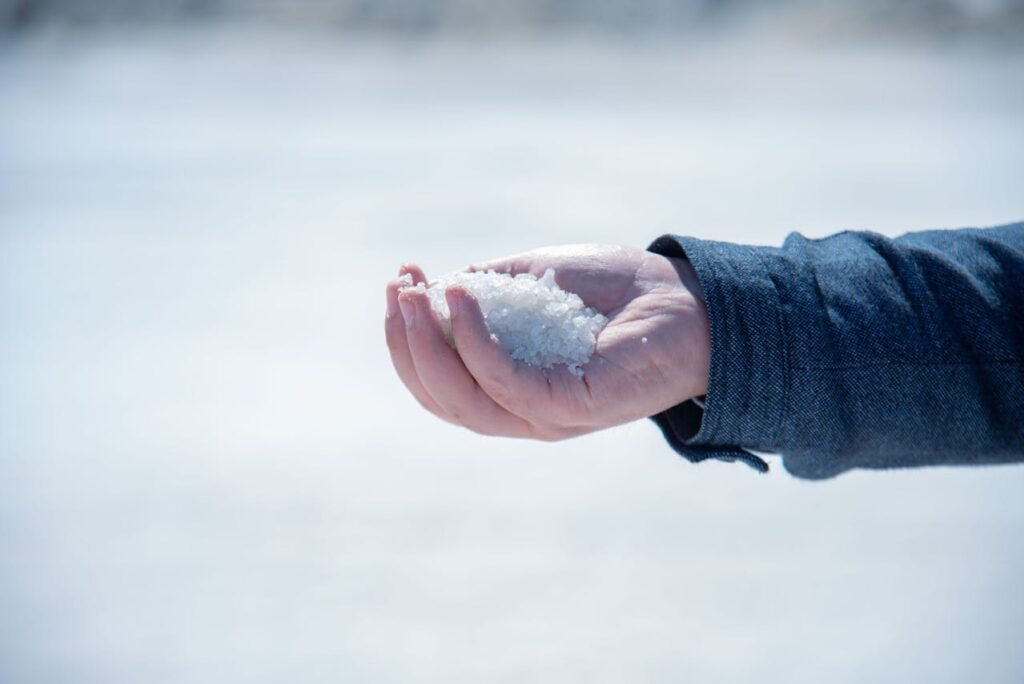
Exfoliation is the process of removing dead skin cells from the surface to reveal the healthy tissue underneath. Sea salt serves as an excellent physical exfoliant due to its granular texture. However, knowing how to use sea salt for skin exfoliation safely is essential to prevent micro-tears in the epidermis. Always ensure the salt is finely ground rather than large, jagged crystals.
The British Medical Journal often discusses the importance of non-invasive skincare routines in maintaining long-term skin health. When exfoliating, use gentle, circular motions and avoid any areas with open wounds or active infections. For a deeper look at professional dermatological treatments, visit Related Health Guide 3.
DIY Sea Salt Scrub for Dry Skin Patches
If you suffer from rough elbows or heels, a diy sea salt scrub for dry skin patches can be a cost-effective solution. By mixing sea salt with a carrier oil, such as olive or jojoba oil, you create a treatment that exfoliates and moisturises simultaneously.
- 1/2 cup of fine sea salt.
- 1/4 cup of carrier oil.
- 3-5 drops of lavender essential oil (optional).
This combination helps to slough off dead cells while the oil provides a lipid barrier to lock in moisture. For more on moisturising techniques, see Related Health Guide 4.
How to Make Sea Salt Spray for Face Acne
Acne is often caused by an overproduction of sebum and the presence of P. acnes bacteria. Sea salt is naturally antimicrobial, making it a useful tool for those struggling with breakouts. Learning how to make sea salt spray for face acne allows you to create a gentle toner that can be used throughout the day to keep oil in check.
To create this spray, dissolve one teaspoon of sea salt into half a cup of warm distilled water. Once cooled, pour the mixture into a spray bottle. Mist the skin after cleansing and allow it to dry naturally. This method is a staple in holistic skincare, and more information on acne management can be found in our Related Health Guide 5. The World Health Organization emphasises the importance of hygiene and clean water in preventing skin infections.
Sea Salt Bath for Itchy Skin Relief
Pruritus, or itchy skin, can be debilitating. Whether caused by eczema or dry winter air, a sea salt bath for itchy skin relief is a time-honoured remedy. The salt helps to kill bacteria that might cause secondary infections in scratched skin while the magnesium aids in repairing the skin barrier. The Cochrane Library provides extensive reviews on topical treatments for eczema, often highlighting the role of mineral baths.
For those with widespread itching, adding sea salt to your bathwater can provide a sense of calm. It is important to follow up with a thick emollient immediately after patting the skin dry to prevent the salt from over-drying the surface. Consult Related Health Guide 6 for further advice on eczema care.
Can Sea Salt Help with Keratosis Pilaris
Keratosis pilaris is a common skin condition that causes small, hard bumps, often on the back of the arms. It occurs when keratin plugs the hair follicles. Many wonder: can sea salt help with keratosis pilaris? The answer lies in its exfoliating properties. Regular, gentle exfoliation with a sea salt scrub can help break down the keratin plugs and smooth the skin’s texture.
While sea salt is effective, it should be used as part of a broader skincare regime that includes chemical exfoliants like lactic acid. The Arthritis Foundation notes that chronic inflammatory states can sometimes manifest in the skin, so a holistic approach is always best. Find more tips in Related Health Guide 7.
Effects of Sea Salt on Sensitive Facial Skin
While sea salt offers many benefits, it is not suitable for everyone. The effects of sea salt on sensitive facial skin can sometimes be negative if the concentration is too high. Those with rosacea or naturally thin skin may find that salt causes stinging, redness, or increased dryness. It is always advisable to perform a patch test before applying any sea salt solution to the entire face.
If you experience a burning sensation, rinse the area immediately with cool water and apply a soothing aloe vera gel. The Centers for Disease Control recommends monitoring skin reactions carefully when introducing new natural remedies. For those with highly reactive skin, Related Health Guide 8 offers alternative soothing ingredients.
Best Practices for Sea Salt Skincare
To get the most out of your sea salt treatments, follow these clinical guidelines:
- Always use high-quality, unrefined sea salt to ensure maximum mineral content.
- Never apply salt to deeply broken or bleeding skin.
- Hydrate internally by drinking plenty of water, as salt can have an osmotic effect on the body.
- Consult a GP if you have underlying health conditions like diabetes, as skin sensitivity can vary. Information on this can be found through Diabetes UK.
Understanding the balance between exfoliation and hydration is the key to achieving a glowing complexion. Whether you are using a sea salt spray or a full-body soak, consistency and moderation are vital. For more advanced skincare routines, explore Related Health Guide 9 and Related Health Guide 10.
Ultimately, sea salt is a versatile and accessible tool in the quest for clear skin. By respecting the potency of these ocean minerals and listening to your skin’s needs, you can harness the power of the sea from the comfort of your own home.