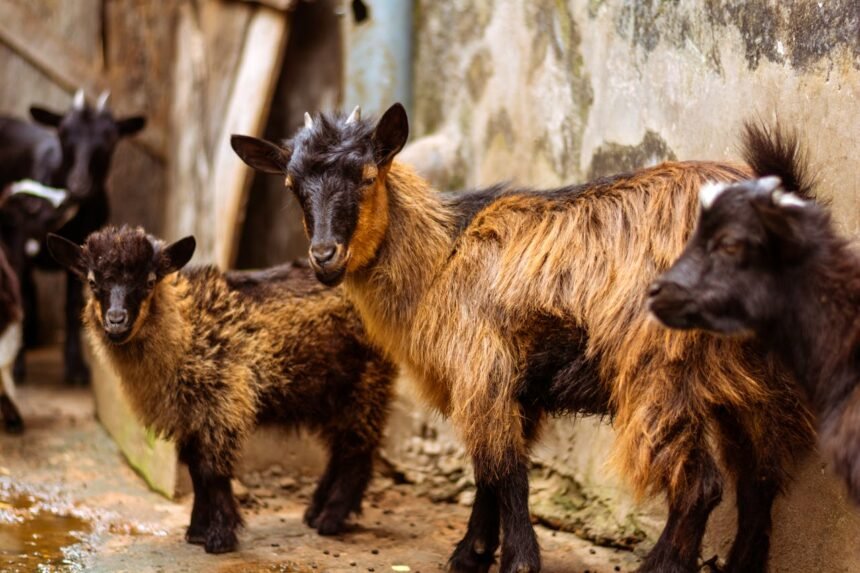
Goat meat, often referred to as chevon or capretto, is a staple protein in many cultures worldwide, yet it remains an underrated superfood in many Western diets. As people become more conscious of their nutritional intake, many are turning to this lean red meat to meet their dietary goals. Whether you are an athlete looking to build muscle or someone trying to manage their weight, understanding the nutritional profile of this meat is essential. In this guide, we explore why goat meat is becoming a preferred choice for health-conscious individuals.
Is Goat Meat a Complete Protein Source?
One of the most common questions regarding plant versus animal proteins is whether the source provides all the necessary building blocks for the body. When asking, is goat meat a complete protein source, the answer is a definitive yes. Like other red meats, goat meat contains all nine essential amino acids that the human body cannot produce on its own. These amino acids are vital for tissue repair, immune function, and hormone production.
The amino acid profile of goat meat protein is particularly impressive. It is rich in branched-chain amino acids (BCAAs) such as leucine, isoleucine, and valine. These specific amino acids are the primary drivers of muscle protein synthesis. For those following a Nutrition Guide focused on high-quality protein, goat meat offers a dense concentration of these nutrients, making it a highly bioavailable option for the body to absorb and utilise.
Goat Meat Protein Content per 100g Cooked
When planning meals, it is important to look at the macronutrient density of your ingredients. The goat meat protein content per 100g cooked is approximately 27 to 28 grams. This makes it an incredibly efficient source of protein. Because it is naturally leaner than many other livestock, you are getting more protein per calorie than you would with fattier cuts of meat.
According to research from the Mayo Clinic Research, consuming lean proteins is a cornerstone of maintaining cardiovascular health. By choosing goat meat, you are opting for a nutrient-dense food that supports metabolic health without the excessive saturated fats often found in modern processed meats.
Is Goat Meat Higher in Protein Than Chicken?
A frequent point of comparison in fitness circles is whether is goat meat higher in protein than chicken. On a gram-for-gram basis, goat meat and chicken breast are very similar, both offering roughly 27-31 grams of protein per 100g when cooked. However, goat meat often wins on the micronutrient front. While chicken is a great lean protein, goat meat provides significantly higher levels of iron, zinc, and Vitamin B12.
Iron deficiency is a common concern globally, and the World Health Organization highlights the importance of heme-iron sources in the diet. Goat meat contains more iron than chicken and even beef in some instances, which helps in the transport of oxygen throughout the body and maintains energy levels.
Goat Meat vs Beef Protein and Fat Content
When comparing goat meat vs beef protein and fat content, the differences are striking. Goat meat is significantly lower in total fat and saturated fat than beef. A 100g serving of cooked goat meat contains about 3 grams of fat, whereas a similar serving of lean beef can contain 10 grams or more, and lamb even higher amounts.
Furthermore, much of the fat in goat meat is unsaturated, which is considered more heart-friendly. This profile makes it an excellent alternative for those following Preventative Care strategies for heart disease. The British Heart Foundation often recommends reducing saturated fat intake to manage cholesterol levels, and swapping beef for goat meat is a practical way to achieve this without sacrificing protein intake.

Goat Meat Nutritional Value vs Lamb Protein
The goat meat nutritional value vs lamb protein comparison often favours goat for those watching their caloric intake. While lamb is prized for its flavour and tenderness, it is notoriously high in fat. Goat meat provides a similar flavour profile—often described as slightly more gamey or earthy—but with a fraction of the calories. For individuals managing conditions like Type 2 diabetes, choosing leaner meats can assist in weight management and blood sugar control, as suggested by Diabetes UK.
Benefits of Goat Meat Protein for Bodybuilding
The benefits of goat meat protein for bodybuilding are numerous. Muscle hypertrophy requires a consistent supply of high-quality amino acids and a controlled caloric surplus or maintenance. Because goat meat is so lean, bodybuilders can consume the high amounts of protein they need to repair muscle fibres without exceeding their daily fat macros.
The high zinc content in goat meat also plays a role in testosterone production, which is crucial for muscle growth and recovery. Integrating goat meat into Fitness Routines allows for a varied diet that prevents “chicken and rice fatigue,” providing the essential minerals needed for peak physical performance.
Goat Meat Protein Benefits for Weight Loss
For those focused on shedding fat, goat meat protein benefits for weight loss are significant. Protein is the most satiating macronutrient, meaning it keeps you feeling full for longer. Since goat meat is low in calories but high in protein, it allows for larger portion sizes compared to fattier meats, which can help psychological adherence to a calorie-restricted diet.
Increasing protein intake can also boost the thermic effect of food (TEF), meaning the body burns more calories digesting protein than it does fats or carbohydrates. Utilising goat meat as a primary protein source can be a part of Healthy Lifestyle Choices aimed at long-term weight maintenance.
Best Ways to Cook Goat Meat for Protein
Because goat meat is very lean, it can become tough if cooked incorrectly. The best ways to cook goat meat for protein involve “low and slow” methods. Braising, stewing, or using a slow cooker are ideal. These methods break down the connective tissues (collagen) into gelatin, resulting in a tender texture while preserving the integrity of the protein and minerals.
To maintain the health benefits, avoid deep-frying or using heavy cream-based sauces. Instead, use aromatics like garlic, ginger, turmeric, and onions, which provide anti-inflammatory benefits. For those managing joint pain, the Arthritis Foundation notes that an anti-inflammatory diet can be beneficial, and goat meat stews rich in spices fit this profile perfectly.
High Protein Goat Meat Recipes for Muscle Gain
If you are looking to spice up your meal prep, high protein goat meat recipes for muscle gain often draw inspiration from Caribbean, Indian, and Middle Eastern cuisines. Here are a few ideas:
- Slow-Cooked Goat Curry: Use lean goat chunks, tomato base, and plenty of turmeric and cumin. Serve with quinoa or brown rice for a complete muscle-building meal.
- Goat Meat Tagine: Cook with chickpeas and apricots. The chickpeas add extra fibre and a secondary protein source, making this an excellent recovery meal.
- Grilled Goat Kebabs: Marinate lean cubes of goat in lemon juice, olive oil, and oregano before grilling. This is a quick, high-protein snack or meal component.
For more ideas on meal planning, you might explore Personalised Care Plans that incorporate culturally diverse and nutrient-dense foods.
Conclusion
Goat meat is a nutritional powerhouse that deserves a place in a modern, healthy diet. With its high protein-to-fat ratio, rich mineral content, and complete amino acid profile, it supports everything from cardiovascular health to muscle growth. By understanding how to prepare it correctly, you can enjoy a delicious, sustainable, and incredibly healthy protein source.
For further reading on maintaining a balanced diet, visit the NHS Health A-Z or consult with professionals for Expert Consultations regarding your specific dietary needs.