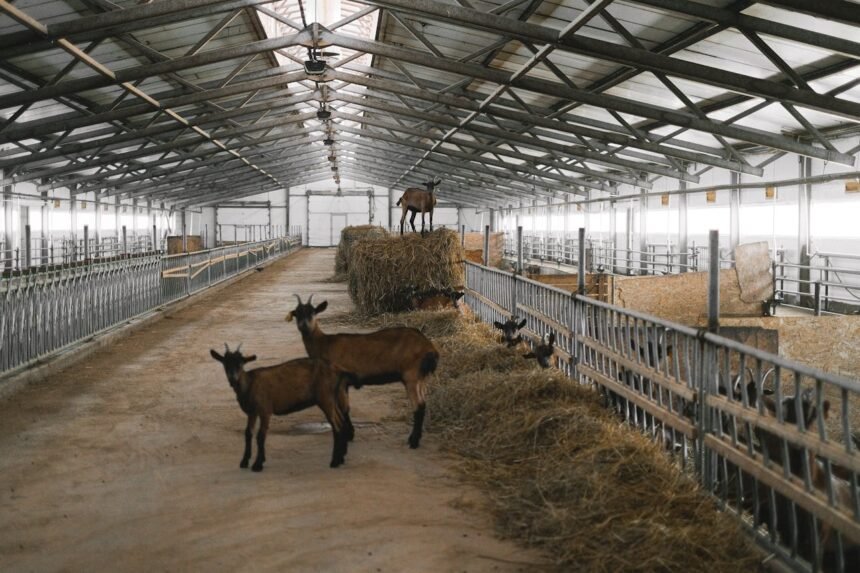
Goat meat, often referred to as chevon or capretto, is a staple protein in many cultures across the globe. Despite being less common in Western supermarkets than beef or poultry, it is rapidly gaining recognition for its impressive nutritional density. When evaluating the mineral profile of grass fed goat meat for health, it becomes clear that this lean red meat offers a unique combination of essential elements that support everything from oxygen transport to metabolic regulation.
As part of a balanced Nutrition Guide, goat meat stands out not only for what it contains but also for what it lacks—namely high levels of saturated fat and cholesterol. This article delves into the specific minerals found in goat meat and how they contribute to your overall well-being.
Understanding Goat Meat Iron Content Compared to Chicken and Beef
Iron is perhaps the most critical mineral for preventing anaemia and ensuring that oxygen is efficiently transported throughout the body. When we examine goat meat iron content compared to chicken and beef, goat meat frequently emerges as a superior choice. It contains significantly more iron per serving than chicken and is comparable to, or even higher than, many cuts of beef.
The iron found in goat meat is haem iron, which is more readily absorbed by the human body than the non-haem iron found in plant sources. According to the NHS Health A-Z, maintaining adequate iron levels is vital for reducing fatigue and supporting cognitive function. For individuals looking to manage their iron intake without the high calorie count of fatty beef, goat meat provides an excellent alternative.
Is Goat Meat a Good Source of Zinc for Immunity?
The immune system requires a variety of micronutrients to function optimally. One common question from health-conscious consumers is: Is goat meat a good source of zinc for immunity? The answer is a definitive yes. Zinc plays a pivotal role in cell division, wound healing, and the synthesis of DNA.
Regular consumption of goat meat provides a substantial portion of the recommended daily allowance for zinc. This mineral is essential for the development and function of white blood cells, which protect the body against pathogens. The World Health Organization emphasises the importance of zinc in reducing the duration of respiratory infections and supporting general growth in children.
Goat Meat Selenium Levels for Thyroid Function
The thyroid gland regulates metabolism, energy levels, and growth. To do this effectively, it requires selenium. Goat meat selenium levels for thyroid function are noteworthy, as this trace mineral acts as a powerful antioxidant that protects the thyroid from oxidative stress.
Research published by Harvard Health Publishing suggests that selenium is also vital for reproductive health and DNA production. By including goat meat in your diet, you provide your body with the selenium necessary to convert thyroid hormones into their active forms, ensuring your metabolism remains efficient.
Goat Meat Phosphorus Benefits for Bone Density
While calcium often takes the spotlight for skeletal health, phosphorus is equally important. Goat meat phosphorus benefits for bone density are significant because phosphorus works in tandem with calcium to build strong bone tissue. Approximately 85 percent of the body’s phosphorus is found in the bones and teeth.
For those following Preventative Care strategies to avoid osteoporosis, ensuring adequate phosphorus intake is essential. The NICE Guidelines highlight the importance of mineral balance in maintaining structural integrity as we age. Goat meat serves as a dense source of this mineral, helping to maintain bone rigidity and strength.
Magnesium Content in Goat Meat for Muscle Recovery
Whether you are an athlete or simply enjoy a daily walk, muscle health is paramount. The magnesium content in goat meat for muscle recovery is an often-overlooked benefit. Magnesium is involved in over 300 biochemical reactions in the body, including muscle contraction and nerve transmission.
After physical exertion, magnesium helps the muscles relax and assists in the synthesis of proteins required for tissue repair. This makes goat meat an excellent post-workout meal option. For more tips on physical wellness, you might explore our Fitness Routines section. Furthermore, Mayo Clinic Research indicates that magnesium can also help improve sleep quality, which is vital for recovery.
Goat Meat Copper Levels for Heart Health
Copper is a trace mineral that assists in the formation of red blood cells and the maintenance of healthy blood vessels and nerves. Goat meat copper levels for heart health contribute to the prevention of cardiovascular issues by supporting the elasticity of the arteries.
The British Heart Foundation notes that a diet rich in essential minerals can help manage long-term heart risks. Copper also works alongside vitamin C to form collagen, a protein that strengthens the heart and vascular system. Incorporating goat meat into a heart-healthy diet can provide the necessary copper to keep these systems functioning smoothly.
Potassium in Goat Meat for Blood Pressure Management
One of the standout features of goat meat is its balance of electrolytes. Potassium in goat meat for blood pressure management is particularly beneficial because it helps to negate the effects of sodium. High potassium intake is linked to lower blood pressure levels and a reduced risk of stroke.
Many red meats are high in sodium, but goat meat is naturally lower in salt, making its potassium-to-sodium ratio highly favourable for those monitoring their cardiovascular health. This aligns with Healthy Lifestyle Choices aimed at reducing hypertension.
Trace Minerals in Goat Meat for Metabolic Health
In addition to the major minerals, goat meat contains several trace elements that are vital for complex biological processes. The trace minerals in goat meat for metabolic health include manganese and molybdenum. Manganese is essential for the metabolism of amino acids, cholesterol, and carbohydrates.
These minerals act as cofactors for enzymes that drive energy production. Ensuring a steady supply of these micronutrients through whole food sources like goat meat can support long-term metabolic stability. For those managing specific conditions, our guide on Chronic Condition Management provides further context on the role of nutrition in disease control.
Goat Meat Calcium Content for Dairy Free Diets
While meat is not typically the primary source of calcium, goat meat calcium content for dairy free diets offers a supplementary boost for those who cannot consume milk or cheese. While the levels are not as high as those found in dairy, every bit helps in a restricted diet.
In a dairy-free context, obtaining calcium from various sources is necessary to protect bone health and nerve function. When combined with green leafy vegetables and nuts, the calcium in goat meat contributes to a robust nutritional profile. This is especially relevant for those seeking Holistic Healing through dietary adjustments.
Conclusion
Goat meat is a nutritional powerhouse that offers a superior mineral profile compared to many other commonly consumed meats. From its high iron and zinc levels to its heart-healthy potassium and copper content, it provides the essential building blocks for a healthy body. Whether you are looking to improve your athletic performance, manage your blood pressure, or simply diversify your diet, goat meat is a sustainable and health-conscious choice.
By understanding the mineral benefits of this lean protein, you can make more informed decisions about your nutrition. For further information on integrating healthy proteins into your life, consider browsing our Medical Research Updates or consulting with a specialist through our Expert Consultations.