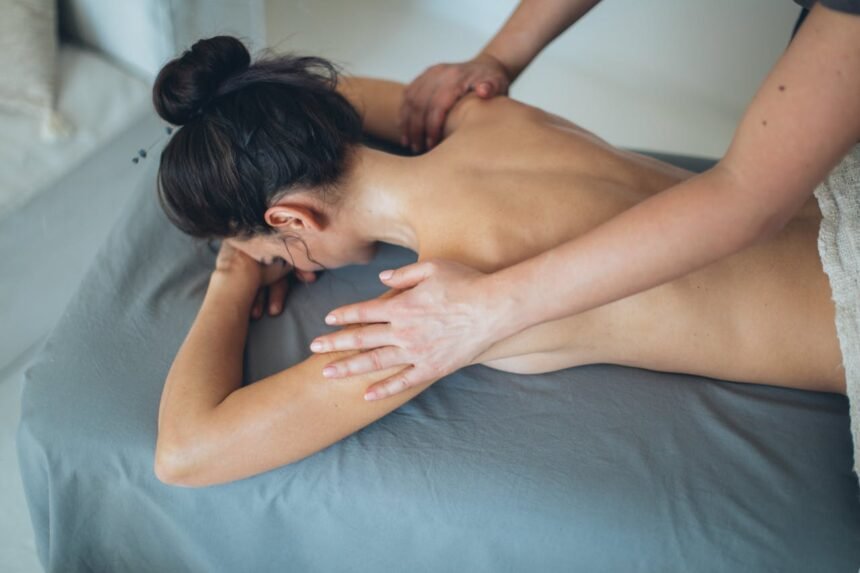
In our modern, high-speed world, feeling overwhelmed can often feel like the default setting. However, mastering stress reduction isn’t just a luxury; it is a vital necessity for your long-term health. When we experience pressure, our bodies activate a “fight or flight” response, sending cortisol levels soaring. While this was helpful for our ancestors fleeing predators, staying in this state permanently leads to chronic stress, which can devastate your immune system and heart health.
The good news is that you can rewire your nervous system. By integrating a thoughtful self-care routine and understanding your triggers, you can transition from a state of survival to one of thriving. This guide explores evidence-based methods to help you find your centre and improve your mental wellbeing starting today.
The Impact of Stress on Your Body
Stress isn’t just “in your head.” It manifests physically, affecting everything from your digestion to your skin. According to the NHS, unmanaged pressure can lead to high blood pressure, anxiety, and depression. To effectively manage your health, it is important to distinguish between acute and prolonged tension.
| Feature | Acute Stress | Chronic Stress |
|---|---|---|
| Duration | Short-term (minutes to hours) | Long-term (weeks to years) |
| Common Triggers | Public speaking, a near-miss traffic incident | Financial strain, unhappy marriage, work pressure |
| Physical Sign | Rapid heartbeat, sweaty palms | Fatigue, insomnia, digestive issues |
| Health Risk | Low (can be motivating) | High (risk of heart disease and stroke) |
Research published in Nature suggests that prolonged exposure to glucocorticoids can actually shrink the prefrontal cortex, the area of the brain responsible for memory and learning. This makes burnout prevention a critical priority for anyone in a high-pressure environment.
Immediate Techniques for Stress Reduction
When you feel your pulse quickening, you need tools that work in the moment. These “circuit breakers” can help lower your physiological arousal quickly.
- Deep breathing exercises: Focusing on your breath signals to your brain that you are safe. Try the “4-7-8” technique to settle your nervous system. You can learn more about this in our guide to anxiety management.
- Progressive muscle relaxation: Systematically tensing and releasing different muscle groups helps physical tension dissipate. The Bupa health centre recommends this for better bodily awareness.
- Mindfulness meditation: Spending just ten minutes a day in quiet reflection can significantly lower cortisol levels. If you are new to this, check out our mindfulness tips for beginners.
The Power of the Vagus Nerve
The vagus nerve is the “on-off switch” for your relaxation response. By engaging in deep breathing exercises, you stimulate this nerve, which tells your heart rate to slow down. According to Harvard Health, breath control is one of the most effective ways to quell the stress response.
Building Long-Term Resilience
While quick fixes are great for emergencies, long-term stress reduction requires lifestyle shifts. This involves looking at your habits, your environment, and your work-life balance. Promoting mental health awareness within your own life allows you to spot triggers before they become crises.
- Prioritise Sleep Hygiene: A lack of rest makes you more reactive to daily frustrations. Improving your sleep hygiene is the foundation of emotional regulation. The Sleep Foundation suggests keeping your bedroom cool and dark for optimal rest.
- Regular Physical Activity: Exercise isn’t just for your muscles; it’s for your mind. Engaging in regular exercise benefits your mood by releasing endorphins. Healthline reports that even a 20-minute walk can provide hours of relief.
- Master Time Management: Often, stress comes from feeling out of control. Using tools like the Eisenhower Matrix can improve your time management and reduce the feeling of being overwhelmed.
- Establish Boundaries: Learn to say no. Protecting your time is a vital part of burnout prevention, a condition the World Health Organization now recognises as a workplace phenomenon.

Nutrition and Stress: The Gut-Brain Connection
What you eat significantly impacts how you feel. A diet high in processed sugars can cause spikes and crashes in blood glucose, mimicking the feelings of anxiety. Research into gut health shows that much of our serotonin—the “feel-good” hormone—is produced in the digestive tract.
Consider incorporating adaptogens like Ashwagandha or Rhodiola, which help the body “adapt” to stressors. The Cleveland Clinic notes that these herbs may support the adrenal glands. Additionally, maintaining a healthy eating habit and ensuring proper hydration can keep your energy levels stable.
Don’t forget the importance of social support. Talking to a friend or a professional can provide a fresh perspective. Organizations like Mind UK emphasize that connection is a cornerstone of resilience. If self-help isn’t enough, therapy options like Cognitive Behavioural Therapy (CBT) can be life-changing. PsychCentral highlights CBT as a gold-standard treatment for rewiring negative thought patterns.
Practical Daily Habits for Peace
To make stress reduction a reality, try to incorporate these small changes into your day:
- Start a morning routine that doesn’t involve checking your phone immediately.
- Practice a digital detox in the evenings to lower brain stimulation.
- Try yoga for beginners to combine physical activity with mindfulness meditation.
- Spend time in nature; even a short walk in a park can lower chronic stress indicators.
- Explore natural remedies such as lavender essential oil or chamomile tea.
- Focus on workplace wellness by taking regular breaks away from your screen.
- Use mood boosters like music or creative hobbies to switch off your work brain.
According to the American Psychological Association, even small, incremental changes in your self-care routine can lead to significant improvements in your overall health. If you struggle with persistent worry, the Royal College of Psychiatrists offers resources for managing more severe anxiety symptoms.
Frequently Asked Questions (FAQs)
What is the fastest way to achieve stress reduction?
The fastest way to lower acute stress is through controlled deep breathing exercises. By lengthening your exhale, you instantly signal to your nervous system to switch from the sympathetic (stress) to the parasympathetic (rest) mode. Combined with progressive muscle relaxation, you can often feel a difference in under five minutes.
Can diet really help with chronic stress?
Yes. A diet rich in whole foods, magnesium, and omega-3 fatty acids supports brain health and reduces inflammation. Avoiding excessive caffeine and sugar prevents the energy crashes that make chronic stress feel harder to manage. Supporting your gut health is also essential for mood regulation.
When should I seek professional help for stress?
If stress is interfering with your ability to work, maintain relationships, or enjoy life, it is time to seek help. If you experience physical symptoms like chest pain or severe insomnia, consult a GP. They may recommend Cognitive Behavioural Therapy (CBT) or other therapy options to help you develop better coping mechanisms. More information on seeking help can be found at HelpGuide.org.
How does physical activity reduce cortisol?
While intense exercise temporarily raises cortisol, regular, moderate physical activity helps the body’s systems communicate more effectively, eventually leading to lower baseline cortisol levels. It also stimulates the production of endorphins, which act as natural painkillers and mood elevators.