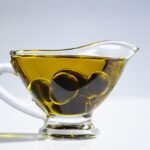
Koroneiki Olive Oil: Why This Liquid Gold Is the Ultimate Superfood for Your Kitchen
If you have ever explored the world of premium healthy fats, you have likely heard whispers of the “Queen of Olives.” Koroneiki olive oil is widely regarded as one of the finest oils on the planet, prized for its robust flavour profile and exceptional nutritional density. Originating from Greece, this specific variety of extra virgin olive oil has been a cornerstone of the Mediterranean lifestyle for centuries.
In this guide, we will delve into what makes this oil so special, its unique health benefits, and why it deserves a permanent spot in your plant-based nutrition plan.
What Exactly Is Koroneiki Olive Oil?
The Koroneiki tree is one of the most famous olive cultivars in the world, primarily grown in the Peloponnese and Crete regions of Greece. Unlike other varieties, the Koroneiki olive is tiny, often appearing no larger than a pea. However, don’t let its size fool you. Because of its low water content, it produces a highly concentrated, aromatic Greek olive oil that is packed with essential nutrients.
Most high-quality producers focus on an early harvest, picking the olives while they are still green. This results in a vibrant green colour and a distinctive peppery finish that signifies high levels of polyphenols. When these olives are cold pressed at low temperatures, they retain their biological integrity, ensuring you receive the maximum health benefits possible.
The Nutritional Powerhouse: Why Your Body Needs It
One of the main reasons health enthusiasts utilise superfoods like this oil is its incredible chemical composition. It is exceptionally high in oleic acid, a monounsaturated omega-9 fatty acid that has been linked to numerous health improvements. Research published in Nature suggests that these fats play a crucial role in reducing systemic inflammation.
Furthermore, its antioxidant properties are significantly higher than many other olive varieties. These antioxidants help combat oxidative stress, which is a leading contributor to premature ageing and chronic illness. By incorporating this oil into your anti-inflammatory foods list, you are providing your body with a natural shield against cellular damage.
Comparing Koroneiki to Other Popular Varieties
To help you understand the differences between koroneiki olive oil and other common types like Arbequina, here is a quick comparison:
| Feature | Koroneiki Olive Oil | Arbequina Olive Oil |
|---|---|---|
| Flavour Intensity | Robust, Robust, Herbal | Mild, Buttery, Fruity |
| Polyphenol Content | Very High | Low to Medium |
| Shelf Life | Long (High stability) | Shorter (Sensitive to oxidation) |
| Best Use | Drizzling, Finishing, Sautéing | Baking, Mild Dressings |
Health Benefits: Beyond the Kitchen
Adding this liquid gold to your daily routine does more than just enhance your salad; it supports your entire physiology. Here is how it impacts your well-being:
- Heart Health: According to the American Heart Association (AHA), replacing saturated fats with monounsaturated fats can significantly lower LDL cholesterol. This makes it a vital tool for heart disease prevention and cholesterol management.
- Cognitive Function: The high concentration of healthy fats supports brain health, potentially reducing the risk of neurodegenerative diseases. Studies found on PubMed highlight the neuroprotective effects of olive polyphenols.
- Gut Health: Olive oil can act as a prebiotic, supporting gut health by fostering beneficial bacteria in the microbiome.
- Weight Management: Despite being calorie-dense, healthy fats increase satiety, which can assist in long-term weight management.
- Skin Vitality: Many use it for skin care naturally, as its vitamin E content provides deep hydration and protection.
Culinary Uses and Cooking Performance
A common misconception is that you cannot cook with high-quality olive oil. However, koroneiki olive oil has a surprisingly high smoke point (around 190°C to 210°C). This means it is stable enough for most home cooking methods, including roasting and light frying.
Ways to Use Koroneiki Olive Oil
- As a Finishing Oil: Drizzle it over steamed vegetables or grilled fish to let the culinary uses of its bold flavour shine.
- In Dressings: Mix with lemon juice and herbs for a classic Mediterranean diet vinaigrette.
- For Dipping: Serve with fresh sourdough bread and a pinch of sea salt.
- Immune Boost: Some people take a tablespoon daily for immune support and general longevity tips.
When cooking, always remember that the Mayo Clinic advises moderation, as all fats are energy-dense.
How to Choose and Store the Best Oil
Not all bottles are created equal. To ensure you are getting authentic koroneiki olive oil, look for these indicators on the label:
- Origin: It should ideally state “Peloponnese” or “Crete, Greece.”
- Harvest Date: Freshness is key. A long shelf life is guaranteed if the oil is bottled within the last 12–18 months.
- Packaging: Always choose dark glass bottles or tins. Light and heat are the enemies of antioxidants, as noted by the FDA.
To preserve its antioxidant properties, store your bottle in a cool, dark cupboard away from the stove. For more tips on selecting the right pantry staples, check out our guide on choosing healthy cooking oils.
Organisations like the World Health Organization (WHO) and NHS consistently recommend the types of fats found in this oil to prevent non-communicable diseases. By choosing this Greek treasure, you are aligning your diet with global health standards championed by institutions like ScienceDirect and Britannica.
Frequently Asked Questions (FAQs)
Is Koroneiki olive oil better than Italian olive oil?
“Better” is subjective, but Koroneiki is often superior in terms of polyphenol count and stability. While Italian oils are famous for their variety, Koroneiki is prized specifically for its high concentration of antioxidants and long shelf life. You can read more about various oil types at Olive Oil Times.
Can I use this oil on my face?
Yes, many people use it for natural skincare. It is rich in Vitamin E and antioxidants. However, if you have acne-prone skin, consult a dermatologist first as it can be comedogenic for some. Check the Harvard Health blog for more on natural oils for skin.
How do I know if my olive oil has gone rancid?
Rancid oil will lose its peppery finish and smell like crayons or stale nuts. Always check the “best by” date. The USDA provides guidelines on food spoilage and storage to help consumers stay safe.
What makes Koroneiki “Extra Virgin”?
To be classified as extra virgin, the oil must be extracted solely by mechanical means (no chemicals) and have an acidity level below 0.8%. Most Koroneiki oils naturally have very low acidity, often below 0.3%.