Living with a spinal curvature can feel like a constant battle against your own body. Whether you were diagnosed as a teenager or discovered it as an adult, the asymmetry of scoliosis often leads to more than just a lateral curve; it brings discomfort, muscle imbalance, and a loss of confidence in your movement. You might have heard that yoga for scoliosis is a game-changer, but how exactly does it work?
The good news is that therapeutic yoga isn’t just about flexibility; it’s a focused approach to posture alignment and back pain relief. By targeting specific muscle groups, you can create a more supportive “internal brace” for your spine. In this guide, we’ll explore how to safely utilise yoga to improve your musculoskeletal health and find balance in an asymmetrical world.
Understanding the Role of Yoga in Scoliosis Management
Scoliosis is defined as an abnormal sideways curvature of the spine, often measured by the Cobb angle. While yoga for scoliosis cannot “straighten” a structural bone curve like a surgical procedure might, it is an exceptional tool for managing the soft tissues surrounding the spine. Improving spinal health involves strengthening the side that is overstretched and lengthening the side that is compressed.
According to the Mayo Clinic, most cases of scoliosis are mild, but even slight curves can cause significant back pain relief needs. Yoga helps by focusing on core strength and conscious awareness of where your body is in space.
The Benefits of a Regular Practice
- Improved Symmetry: Targeted yoga poses help balance the muscles on either side of the spine.
- Increased Lung Capacity: Severe curves can compress the ribcage; breathing techniques (pranayama) help expand the chest.
- Reduced Pain: By releasing tension in the lower back and neck, you can achieve long-term chronic pain management.
- Enhanced Proprioception: Yoga teaches you to “feel” your alignment, helping you correct your posture throughout the day.
Comparing Treatment Approaches
When managing scoliosis, it is important to understand where yoga fits into the broader physical therapy landscape. Many patients find that a combination of methods works best for their unique spinal curvature.
| Method | Primary Goal | Best For |
|---|---|---|
| Yoga for Scoliosis | Flexibility, balance, and mindful alignment | Mild to moderate curves, pain reduction, and holistic health. |
| Schroth Method | Specific de-rotation and elongation | Structural correction and preventing curve progression. |
| Medical Bracing | Stabilisation during growth | Adolescents with a high risk of progression. |
| Surgery | Hardware-based correction | Severe cases where the Cobb angle exceeds 45-50 degrees. |
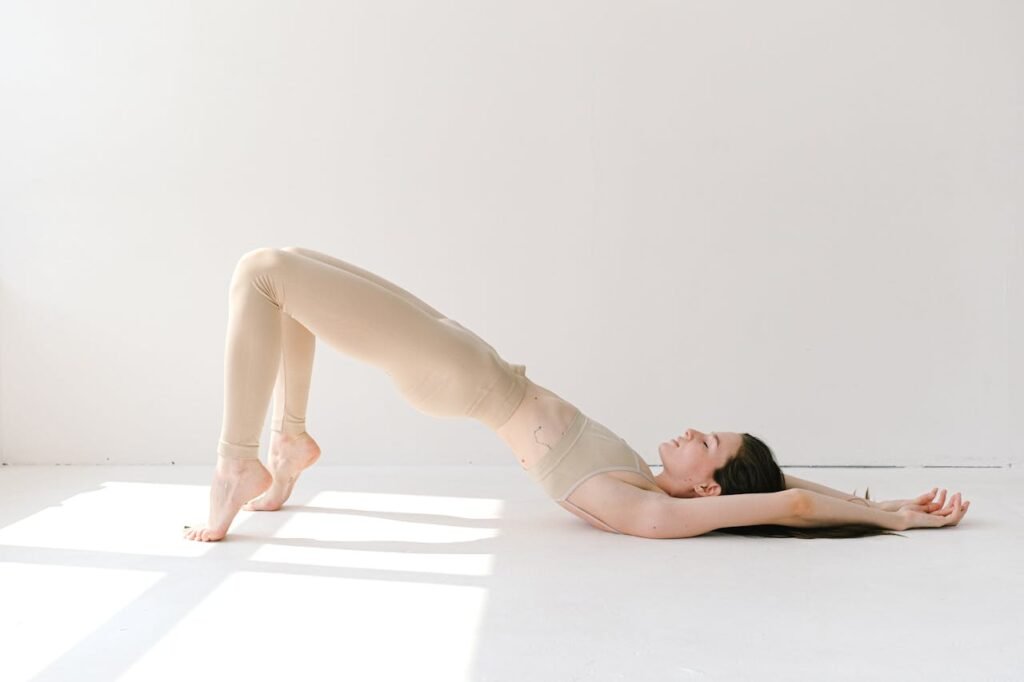
Essential Yoga Poses for Scoliosis
When practicing yoga for scoliosis, the goal is to find “centre.” Research published by the National Institutes of Health (NIH) suggests that even holding a single pose, like the Side Plank, can help reduce the lateral curve over time. Here are some of the most effective yoga poses to include in your programme.
1. Mountain Pose (Tadasana)
The mountain pose is the foundation of all standing postures. It teaches you how to distribute weight evenly between both feet, which is often a challenge for those with a muscle imbalance. Focus on grounding your heels and lengthening the crown of your head toward the ceiling to promote posture alignment.
2. Tree Pose (Vrksasana)
Balance poses are essential for musculoskeletal health. Tree pose forces the small stabiliser muscles in your core and legs to engage, providing better support for your spinal health. If your balance feels “off,” try practising near a wall for support.
3. Downward-Facing Dog (Adho Mukha Svanasana)
This pose is excellent for tractioning the spine. By pushing the floor away with your hands, you create space between the vertebrae. It’s a full-body flexibility builder that helps alleviate pressure caused by spinal curvature. Learn more about yoga for beginners to master this form.
4. Side Plank (Vasisthasana)
In therapeutic yoga, the Side Plank is often used asymmetrically. You might hold the pose longer on the “weak” side of your curve to build the core strength necessary to pull the spine back toward the midline. This is a common technique used in therapeutic yoga benefits research.
Important Precautions: What to Avoid
While yoga is generally safe, certain movements can exacerbate a lateral curve or cause strain. It is vital to work with a teacher who understands physical therapy principles. Organizations like NSF (National Scoliosis Foundation) recommend avoiding:
- Deep Backbends: Over-extending the spine can put pressure on the facet joints.
- Rapid Twisting: Quick, forceful rotations can increase muscle imbalance.
- Inversions (for some): Poses like headstands can put too much weight on a curved cervical spine.
Always listen to your body. If a pose causes sharp pain, stop immediately and consult a professional. You can find more fitness tips on our blog to keep your routine safe.
Integrating Breathing and Mindfulness
Scoliosis isn’t just physical; it can be mentally taxing. Utilising breathing techniques helps to calm the nervous system and expand the “concave” side of your ribcage. According to Healthline, mindful breathing can significantly improve the quality of life for those with chronic conditions. Incorporating mindfulness practices into your yoga for scoliosis routine allows you to manage the emotional stress of the diagnosis.
Try “three-part breath” to focus on filling the lungs equally. This simple act of breathing exercises can help reshape the internal pressure within the torso, offering a subtle, internal stretch to the muscles between the ribs.
Finding the Right Instructor
Not all yoga is created equal. When seeking out a class, look for instructors who specialise in therapeutic yoga or have experience with muscle imbalance guides. Websites like Scoliosis Association UK provide resources for finding specialists. A knowledgeable teacher will help you modify poses using props like blocks, straps, and bolsters to support your unique posture alignment.
Beyond the studio, consistent stretching routines at home are key to seeing progress. For more on how to adjust your daily habits, check out our guide on lifestyle adjustments for back health.
The Bottom Line
Yoga for scoliosis is a journey of self-discovery. It’s about learning to live comfortably in your body, regardless of the shape of your spine. By focusing on core strength, flexibility, and mindful breathing techniques, you can take an active role in your spinal health. While it isn’t a replacement for medical advice from the NHS or WHO, it is a powerful companion to traditional treatments.
Ready to start? Explore our physical wellness resources and begin your path toward a more balanced, pain-free life today.
Frequently Asked Questions (FAQs)
Can yoga for scoliosis reduce my Cobb angle?
While some small studies suggest that consistent practice of specific poses (like the Side Plank) may slightly reduce the Cobb angle in some individuals, yoga is primarily used to manage symptoms. It is highly effective for back pain relief and improving posture alignment, rather than “fixing” the structural bone curve itself. Consult with a spine specialist for clinical expectations.
Is it safe to do hot yoga with scoliosis?
Hot yoga can help with flexibility, but the heat may lead to over-stretching. Because scoliosis often involves hyper-mobile areas and “locked” areas, you must be very careful not to push too far into your spinal curvature. Always inform the instructor of your condition. For more safety advice, see back pain relief tips.
How often should I practice yoga for my spine?
Consistency is more important than intensity. A short, 15-minute daily programme of yoga for scoliosis is often more beneficial than one long class per week. This keeps the muscles engaged and reminds your body of its posture alignment goals. You can find daily inspiration at ScienceDirect and other research databases.
Can children with scoliosis practice yoga?
Yes, children can benefit significantly from yoga, particularly for body awareness during growth spurts. However, it should be done under the guidance of a professional to ensure it complements any medical treatments like bracing. Check resources from the Arthritis Foundation or Johns Hopkins Medicine for paediatric spinal health advice.