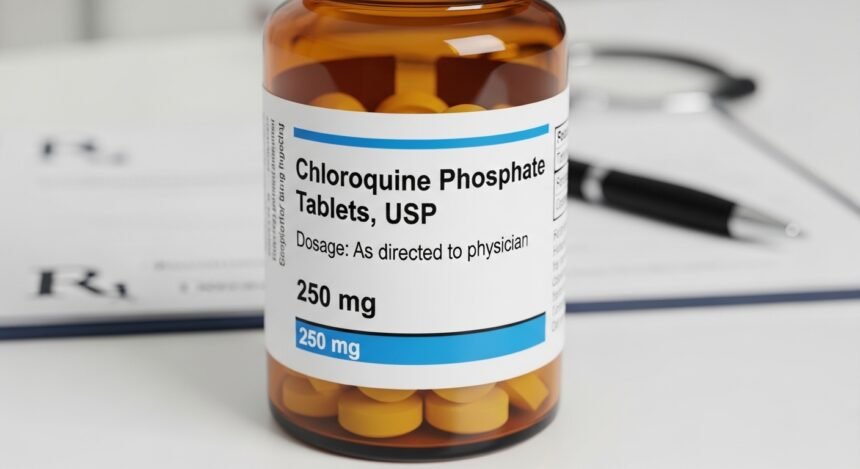
Whether you are planning a trip to a tropical destination or managing a long-term autoimmune condition, understanding the correct Chloroquine dosage is essential for your safety and recovery. Chloroquine has been a cornerstone of global medicine for decades, primarily utilised as an anti-malarial medication and an effective option for certain inflammatory diseases.
However, getting the dose right is a delicate balance. Too little, and the treatment may fail; too much, and you risk serious adverse effects. In this guide, we break down everything you need to know about taking this medication safely, based on the latest clinical guidelines from the NHS and the World Health Organization.
What is Chloroquine Used For?
Chloroquine, often prescribed as chloroquine phosphate, works by interfering with the growth of parasites in the red blood cells of the human body. While it is most famous for its role in malaria prophylaxis and treatment, its anti-inflammatory properties make it valuable for other conditions.
Doctors typically prescribe chloroquine for:
- Preventing and treating malaria in regions where the parasites are sensitive to the drug.
- Rheumatoid arthritis treatment when other medications haven’t been effective.
- Managing systemic lupus erythematosus (SLE) symptoms.
- Extraintestinal amoebiasis (specifically liver abscesses caused by amoebae).
Understanding Chloroquine Dosage for Malaria
The Chloroquine dosage varies significantly depending on whether you are trying to prevent malaria (prophylaxis) or treat an active infection. It is also highly dependent on the patient’s weight, particularly in paediatric dosing.
Malaria Prevention (Prophylaxis)
If you are travelling to an area where malaria is prevalent, your doctor will likely suggest starting the medication before you depart. According to CDC travel guidelines, the standard adult dose is 310 mg (base) once weekly. This should be taken on the same day each week, starting one to two weeks before entering the endemic area and continuing for four weeks after leaving.
Malaria Treatment
For treating an active infection, a loading dose is often utilised to quickly reach a therapeutic level in the bloodstream. A typical course lasts three days. It is important to note that drug-resistant malaria is a growing concern, and chloroquine may not be effective in all geographic regions.
Chloroquine Dosage Summary Table
Below is a general guide for adult Chloroquine dosage across different indications:
| Indication | Typical Adult Dosage | Duration/Frequency |
|---|---|---|
| Malaria Prophylaxis | 310 mg base (500 mg salt) | Once weekly |
| Malaria Treatment | 620 mg base initial, then 310 mg base at 6, 24, and 48 hours | 3-day course |
| Rheumatoid Arthritis | 150 mg to 300 mg base | Daily |
| Lupus (SLE) | 150 mg base | Daily |
Dosage for Autoimmune Conditions
When used for systemic lupus erythematosus (SLE) or rheumatoid arthritis treatment, the Chloroquine dosage is usually much lower than the treatment dose for malaria but is taken daily for an extended period. Because the drug can accumulate in the body, clinicians aim for the lowest effective dose to stay within a safe therapeutic window.
Patients on long-term therapy must be monitored closely for retinal toxicity. High-quality research published in the British Journal of Ophthalmology suggests that the risk of eye damage increases with the cumulative dose and duration of use.
Factors That Influence Your Dose
Not everyone will receive the same Chloroquine dosage. Several health factors require your doctor to adjust the amount of medicine you take:
- Body Weight: Especially in children, doses are calculated per kilogram to avoid toxicity.
- Kidney Function: Since the kidneys clear the drug, those with renal issues may need a reduced dose.
- Hepatic Impairment: The liver metabolises chloroquine; patients with liver disease require careful monitoring.
- G6PD Deficiency: People with G6PD deficiency are at risk of haemolytic anaemia when taking certain anti-malarials, as noted by the G6PD Deficiency Association.
Safety Considerations and Side Effects
While generally well-tolerated when taken correctly, chloroquine can cause side effects. Common issues include nausea, stomach cramps, and headache. However, serious complications can occur if the Chloroquine dosage exceeds recommended limits.
Long-term users should undergo regular visual field tests and retinal scans. The American Academy of Ophthalmology provides clear protocols for screening to prevent irreversible vision loss. Additionally, you should consult the British National Formulary (BNF) for a comprehensive list of drug interactions, as chloroquine can interact with antacids and heart medications.
If you have a history of epilepsy or psoriasis, discuss this with your healthcare provider, as chloroquine can exacerbate these conditions. Always source your medication from reputable pharmacies to ensure quality, as highlighted by electronic Medicines Compendium (eMC).
Frequently Asked Questions (FAQs)
What should I do if I miss a Chloroquine dosage?
If you miss a weekly dose for malaria prevention, take it as soon as you remember. If it is almost time for your next dose, skip the missed one and resume your regular schedule. Do not double the dose to catch up, as this increases the risk of toxicity. For daily doses, consult your doctor for specific advice.
Can I take chloroquine on an empty stomach?
It is generally recommended to take chloroquine with food or milk. This helps to minimise gastrointestinal side effects like nausea and stomach upset, making the medication much easier to tolerate during long-term use.
How long does chloroquine stay in your system?
Chloroquine has a very long half-life, meaning it stays in your body for several weeks even after you stop taking it. This is why malaria prophylaxis continues for four weeks after leaving an at-risk area—it ensures that any parasites entering the blood during the end of your trip are successfully eliminated.
Is chloroquine safe during pregnancy?
According to the Mayo Clinic, malaria poses a significant risk to both the mother and the foetus. Chloroquine is often considered one of the safer options for malaria prevention during pregnancy, but it must only be used under strict medical supervision. Always weigh the benefits against potential risks with your obstetrician.
For more detailed information on specific health outcomes and pharmacological data, you may visit Nature or the Cochrane Library for peer-reviewed meta-analyses on anti-malarial efficacy. If you suspect an overdose, contact emergency services or the FDA MedWatch programme immediately.
Disclaimer: This article is for informational purposes only and does not constitute medical advice. Always seek the advice of your physician or other qualified health provider with any questions you may have regarding a medical condition or Chloroquine dosage.